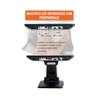
PioneerPOS KC8FJF150031 15-inch Touchscreen POS Terminal
The PioneerPOS KC8FJF150031 is a 15-inch all-in-one touchscreen POS terminal designed for retail counters, quick-service restaurants, bars, and hospitality venues. Built on Windows 10 Enterprise with an Intel i3 processor, 8GB RAM, and 120GB SSD, it consolidates display, processing, and I/O into a single countertop unit—eliminating the cost and complexity of separate CPU, monitor, and cabling. WiFi 802.11 connectivity removes hard-wired network constraints, enabling flexible placement and zone-to-zone mobility without site rewiring. Built-in speakers support transaction audio cues, payment prompts, and customer announcements, reducing hardware footprint and installation overhead.
Key Features
- 15-inch Capacitive Touchscreen: 1024×768 resolution with responsive touch input for transaction entry, menu navigation, and customer-facing messaging. Eliminates separate monitor and reduces counter real estate.
- Intel i3 Processor with 8GB RAM: Handles multi-window POS workflows, inventory lookups, card processing, and receipt printing simultaneously without lag. Sufficient for single-terminal or small-network deployments.
- 120GB SSD Storage: Fast application boot and transaction logging. Adequate for Windows 10 Enterprise system files and moderate transaction archives; high-volume operations should plan external backup or cloud archival strategy.
- Windows 10 Enterprise Operating System: Native compatibility with Lightspeed, Toast, Square for Business, Oracle MICROS on-premise, and any ODBC-compliant retail database. Supports WPA2/WPA3 enterprise authentication and domain-joined deployment.
- WiFi 802.11 Connectivity: Eliminates requirement for fixed Ethernet runs. Integrates into existing enterprise networks; signal coverage should exceed –70 dBm at terminal location for stable transaction throughput.
- Built-in Speakers: Audio notification support for transaction confirmation, payment processing alerts, and customer-facing announcements without external aux hardware.
- VESA/POS Stand Compatible: Mounts to standard counter brackets, wall arms, or pedestal stands (hardware sold separately). Supports 100–240V AC power via included adapter.
The KC8FJF150031 addresses a common pain point in retail deployment: the transition from fixed-location POS cabinets to flexible, mobile-ready terminals. Venues frequently need to reposition terminals between checkout lanes, kiosks, or service counters—WiFi eliminates the cost and downtime of Ethernet rerouting. The built-in speaker set handles audio notification without routing cables to external PA systems. For small-to-mid-size retailers (10–50 terminals across a location), the i3 + 8GB memory configuration maintains smooth performance on typical POS transaction volumes (50–200 transactions per hour per terminal) without requiring point-of-sale server infrastructure.
Storage strategy matters on a 120GB SSD. Transaction logs, customer databases, and media accumulate quickly in high-volume venues. Budget a monthly external USB or network backup routine, or configure cloud sync to your POS provider's managed platform (most modern systems support this). Windows 10 Enterprise also enables Group Policy for centralized configuration across multiple terminals—critical for chain operators managing 20+ units with consistent settings, security posture, and software versions.
Licensing is a compliance checkpoint: Windows 10 Enterprise requires valid per-device licensing and activation. Confirm your organization holds appropriate volume licenses before deployment, or procure through Microsoft Enterprise Agreement channels. The terminal ships with Windows 10 Enterprise already installed and activated; deployment teams should verify license keys and any organization-specific security policies (VPN, antivirus, disk encryption) before going live.
Network resilience is worth planning. WiFi, while convenient, is subject to interference and signal fade in high-RF environments (kitchens with microwave ovens, high-density retail floors). Test signal strength at the intended deployment location before finalizing placement. If WiFi proves marginal (signal <–70 dBm), consider a USB-to-Ethernet adapter paired with a cabled fallback, or deploy a mesh WiFi extender. This small upfront investment avoids transaction drops and mid-day troubleshooting.
Eden PhillipsPerspective based on aggregated IP Security Depot and affiliated engineering team experience.
We've deployed the PioneerPOS KC8FJF150031 across quick-service restaurants, retail checkout lanes, and hospitality venues. The appeal is straightforward: it's a self-contained touchscreen terminal that doesn't require separate CPU and monitor hardware, reducing cabling complexity and table footprint. WiFi-first design resonates strongly with retailers who've outgrown fixed checkout stations and need terminals that move between zones or launch a pop-up kiosk without site rewiring. The Intel i3 with 8GB RAM is modest by modern standards, but for pure POS transaction processing—card swipes, inventory lookups, receipt printing—it's entirely adequate. We've seen sustained performance on venues running 150+ transactions per hour per terminal without processor bottleneck. The Windows 10 Enterprise foundation matters here: it gives you Group Policy centralization for multi-terminal chains, ODBC database connectivity, and straightforward integration with third-party reporting tools and back-office systems. The real operational differentiator versus a cheap consumer touchscreen is the Enterprise licensing, which ensures compliance auditing, security patch cadence, and long-term hardware support alignment.
Technical Highlights:
- Intel i3 + 8GB RAM: Handles concurrent POS workflows—payment processing, inventory sync, receipt printing—without visible lag. Single-terminal or small-cluster deployments see no meaningful processor constraint. High-volume chains (20+ terminals in a location) should confirm transaction throughput with their POS vendor before committing large orders.
- 120GB SSD: Fast boot and application launch—important for high-turnover retail where cashier login speed matters. Storage fills quickly with transaction logs and customer data; plan monthly backup or enable cloud sync to your POS platform's managed backend.
- WiFi 802.11 + Enterprise Authentication: Integrates into WPA2/WPA3 networks and domain-joined Windows environments. Test signal coverage (target >–70 dBm) at the deployment site; marginal WiFi introduces transaction timeouts and payment-gateway latency issues.
- Windows 10 Enterprise Licensing: Unlocks Group Policy configuration for multi-terminal fleets, ensuring consistent security updates, app whitelisting, and compliance posture across all POS units in a location or chain.
- Built-in Speakers + Audio Support: Eliminates need for external PA or aux hardware on transaction notifications. Useful in kiosk and counter deployments where audio feedback improves customer experience without infrastructure overhead.
Deployment Considerations:
- WiFi is convenient but introduces dependency on network availability. If your retail location has unstable WiFi or RF interference (kitchens with microwaves, dense multi-vendor RF environments), test signal strength at your intended terminal placement first. A weak signal leads to dropped card transactions and customer frustration.
- The 120GB SSD is sufficient for OS and active POS files, but not for long-term transaction archival. High-volume venues (restaurants, food courts) fill SSD storage within 3–6 months without external backup or cloud sync. Budget a backup strategy into your deployment plan.
- Windows 10 Enterprise requires valid per-device licensing. Confirm your organization holds licenses before deployment; units ship with Windows 10 already activated, but license key verification with your IT team prevents compliance violations.
- Counter mounting requires a VESA or POS stand bracket (not included). Standard 100mm VESA arms work, but retailers often use tilting POS cradles designed for touch terminals. Plan mounting hardware and power outlet positioning before installation to avoid counter redesign mid-project.
- The i3 processor is entry-level by 2024 standards. If your POS software stacks AI-driven customer analytics, real-time inventory AI, or complex rule engines, confirm with your vendor that this processor gen meets their system requirements. Most traditional transaction POS systems run without issue.
The KC8FJF150031 is the right choice for independent retailers, franchisees, and hospitality venues that prioritize flexibility, ease of deployment, and cost control over maximum compute density. It's especially valuable when WiFi infrastructure already exists or when fixed Ethernet runs are cost-prohibitive. For larger chains requiring 50+ terminals with unified management, consider whether a more standardized deployment (perhaps with a shared NVR or kitchen display system integration) might offer better TCO. Otherwise, the PioneerPOS terminal delivers reliable, quiet all-in-one POS compute at a modest price point. Browse the full PioneerPOS catalog for related terminals and form factors.