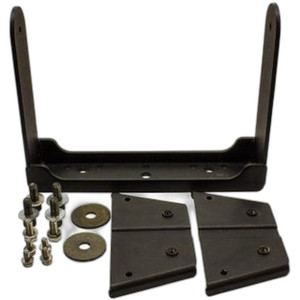
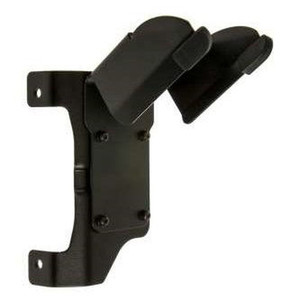
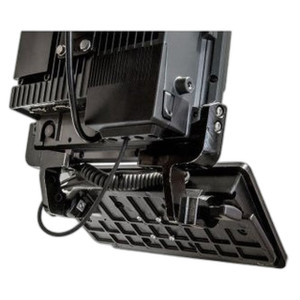
Zebra MNT-VC80-ADPA1-1 VC80 Adapter for VC50 U-Mount
Overview
The Zebra MNT-VC80-ADPA1-1 is a mounting adapter engineered to extend the operational life of existing VC50 U-mount installations by enabling mechanical compatibility with newer VC80 vehicle-mounted mobile computers. Rather than rip-and-replace entire mounting infrastructure when upgrading device generations, this adapter allows you to retain existing mounting points, cable routing, and bracket geometry while deploying current-generation hardware.
This is particularly valuable in fleet and warehouse operations where downtime costs money and infrastructure replacement budgets are constrained. The MNT-VC80-ADPA1-1 (often searched as MNT VC80 ADPA1 1) solves the common upgrade problem: new device, legacy mount, no middle ground.
Key Features
- VC50 U-mount mechanical compatibility: Secures VC80 devices to standard VC50 mounting points without structural modification. Eliminates the need to replace brackets, mounts, and associated hardware across your fleet—a cost and time savings that scales with fleet size.
- Straightforward installation: Adapter mechanics are passive and require no power, firmware, or configuration. Mount it, secure the VC80, and operate. No integration complexity or additional commissioning steps.
- Enables staged device rollout: Upgrade VC80 units vehicle-by-vehicle or zone-by-zone without halting operations. Existing VC50 mounts remain in service until the full transition is complete.
- Preserves existing cable and harness routing: Because the adapter bridges the mechanical gap without changing the mounting footprint significantly, existing power, data, and antenna cabling layouts remain valid. Reduces rework on the vehicle side.
Deployment Context
This adapter is purpose-built for organizations managing mixed-generation mobile computer deployments in logistics, materials handling, and fleet management. Typical scenarios include warehouse operations with mounted VC50s that are being systematically upgraded to VC80 for improved performance, battery life, or application requirements. By pairing the adapter with a Zebra vehicle-mounted mobile computer, you avoid the hidden costs of mount replacement: labor, parts inventory, vehicle downtime, and re-certification of mounting safety.
The MNT-VC80-ADPA1-1 is not a band-aid; it's an acknowledgment that infrastructure doesn't change overnight, and hardware upgrades should not force premature infrastructure overhaul.
Integration & Compatibility
This adapter is compatible exclusively with VC50 U-mount systems and VC80 mobile computers. Verify your existing mount type before ordering—U-mount is a specific Zebra bracket geometry and is not interchangeable with other mount families or third-party solutions. If you're uncertain whether your current VC50 installation uses a U-mount, consult your fleet documentation or contact your integrator.
Frequently Asked Questions
Q: Will the MNT-VC80-ADPA1-1 work with VC50 mounting systems other than U-mount?
A: No. This adapter is engineered specifically for VC50 U-mount installations. Other VC50 bracket types (such as dashboard or pedestal mounts) are not compatible with the MNT-VC80-ADPA1-1.
Q: Do I need to modify or re-engineer my vehicle's mounting bracket when installing this adapter?
A: No. The MNT-VC80-ADPA1-1 is a passive mechanical adapter that bridges the two devices. No structural modification of the existing VC50 mount is required.
Q: Can I use this adapter to mount a VC50 onto VC80 infrastructure?
A: No. The MNT-VC80-ADPA1-1 is unidirectional—VC80 to VC50 U-mount only.
Q: Does the adapter require power, configuration, or any software compatibility updates?
A: No. The MNT-VC80-ADPA1-1 is a passive mechanical component with no electrical, firmware, or software requirements.
Q: Is this adapter suitable for fleet-wide rollouts, or is it better for individual vehicle upgrades?
A: It scales to either scenario. Many integrators use it to manage phased device transitions across entire fleets, purchasing adapters in batches and deploying them vehicle-by-vehicle on a scheduled maintenance cycle.
Ted PerryPerspective based on aggregated IP Security Depot and affiliated engineering team experience.
The MNT-VC80-ADPA1-1 solves a real fleet operations problem: device refresh cycles that don't align with infrastructure lifecycles. When your VC50 mounts are still mechanically sound but the devices themselves are due for replacement, forcing a full bracket upgrade is wasteful. This adapter bridges that gap cleanly, and I've seen it save integrators weeks of labor time and significant parts inventory cost across mid-sized fleet deployments.
Technical Highlights:
- Passive mechanical design: No power, electronics, or firmware—just geometry. This eliminates troubleshooting variables and guarantees compatibility with any VC80 unit and any VC50 U-mount without version lockstep.
- Preserves mounting footprint: Because the adapter maintains the original U-mount interface geometry, existing cable harnesses, antenna routing, and vehicle-side integration remain unchanged. You don't discover hidden rework halfway through installation.
- Supports staged transition: In real-world operations, you rarely replace an entire fleet at once. This adapter lets you upgrade one vehicle, prove the integration, then roll out across your operation at your own pace—zero fleet-wide downtime.
Deployment Considerations:
- Confirm you have a VC50 U-mount before ordering. Other VC50 bracket types (dashboard, pedestal) are structurally incompatible and will not mate with the MNT-VC80-ADPA1-1.
- This is a one-way adapter. It enables VC80-to-VC50 mount only. If you later need to drop a VC50 back onto a VC80 mount for any reason, a separate adapter is required.
- While the adapter is passive, verify that your VC80 device variant (processing power, antenna count) meets your application's performance requirements independently. The adapter doesn't change the device's capability—it just changes where it sits.
Right fit: mid-to-large fleet operations managing a generational device upgrade where mount infrastructure is still serviceable. Wrong fit: single-vehicle installs or sites where mounts are already degraded and require replacement anyway—replace the whole stack once.