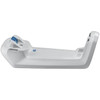
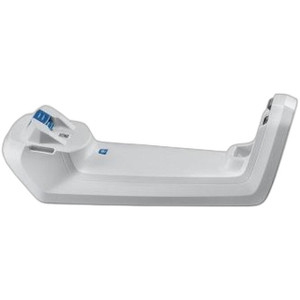
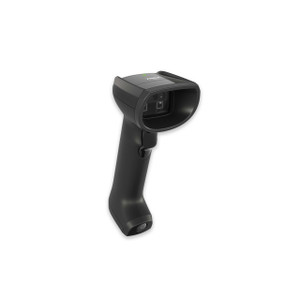
Zebra CR8288-SC100F4WW Standard Cradle for DS8288
Overview
The Zebra CR8288-SC100F4WW is a docking cradle purpose-built for the Zebra DS8288 rugged mobile computer. It delivers inductive charging without exposed electrical contacts, eliminating corrosion and wear that typically shortens contact lifespan in high-humidity or chemical-exposure environments like food processing, pharmaceuticals, and outdoor logistics. The cradle supports Bluetooth FIPS, meeting federal security standards for regulated workflows in healthcare, government, and defense supply chains. Deploy this unit in fixed charging stations, vehicle dock points, or warehouse consolidation areas where DS8288 devices need daily charging cycles and secure wireless connectivity.
Key Features
- Inductive Charging Technology: No exposed metal contacts means no corrosion from moisture, salt, or chemical splash—a real advantage in food processing, pharmaceutical, and outdoor warehouse environments where contact-based cradles degrade rapidly. Eliminates replacement costs and downtime from corroded charging pins.
- Bluetooth FIPS Compliance: Meets federal encryption and authentication standards (FIPS 140-2 Level 1 equivalent), mandatory for healthcare facilities, government agencies, and defense logistics operations handling classified or regulated data. Non-FIPS cradles will not satisfy compliance audits in these verticals.
- Standard Form Factor Design: Integrates into existing fixed docking infrastructure—wall-mounted kiosks, vehicle charging racks, or centralized depot stations. No custom mounting brackets required, reducing integration labor.
- DS8288 Compatibility: Precision-molded interface ensures repeatable, zero-error docking alignment. Works with all DS8288 variants (standard, enterprise, tactical). Not compatible with DS8250, DS8850, or other Zebra mobile computer lines—verify your device model before purchase.
- Reduced Maintenance Burden: Inductive coupling eliminates the periodic cleaning or contact replacement cycles required by spring-loaded connector cradles. In 24/7 depot environments, this translates to lower operational overhead.
- Secure Wireless Data Transfer: Bluetooth FIPS pairing ensures authenticated, encrypted handoff of inventory, logistics, or patient data. Unlike standard Bluetooth, eavesdropping or man-in-the-middle attacks are cryptographically blocked, critical for HIPAA, CMMC, or ITAR-regulated workflows.
Integration & Compatibility
The CR8288-SC100F4WW (often searched as CR8288 SC100F4WW) pairs exclusively with Zebra DS8288 mobile computers. Confirm your DS8288 firmware supports inductive charging and Bluetooth FIPS pairing before deployment—older DS8288 units may require firmware updates. The cradle is designed for stationary dock or vehicle-mounted installations; it is not portable and should not be moved frequently between locations. For mobile charging (e.g., in-transit top-ups on delivery vehicles), consider a vehicle 12VDC charger instead. When deploying multiple cradles in a warehouse, ensure each is powered via a dedicated circuit to avoid power-draw bottlenecks—inductive charging requires steady, clean power supply.
When to Choose a Different Model
If your DS8288 fleet includes devices that do not support inductive charging, or if you need a cradle rated for outdoor, water-submersion environments (e.g., food processing spray-down areas), consult the broader Zebra mobile computer accessory family for high-IP-rated alternatives. If Bluetooth FIPS is not a compliance requirement, a standard non-FIPS cradle may offer lower cost—confirm with your procurement team whether regulatory mandates apply to your deployment.
Frequently Asked Questions
Q: Is the CR8288-SC100F4WW compatible with Zebra DS8250 or DS8850 mobile computers?
A: No. The CR8288-SC100F4WW is designed exclusively for the DS8288 line. DS8250 and DS8850 devices require their own specific cradle models. Installing a DS8288 cradle on a different device may cause poor charging contact or damage to the device interface.
Q: What does Bluetooth FIPS mean, and do I need it?
A: Bluetooth FIPS means the wireless connection uses federal-grade encryption (FIPS 140-2) to prevent unauthorized interception of data. You need it if your workflow involves healthcare (HIPAA), government (CMMC, NIST), or defense (ITAR) data. If you handle only internal, non-regulated inventory data, standard Bluetooth is sufficient.
Q: How does inductive charging differ from contact-based charging?
A: Inductive charging transfers power through magnetic coils with no metal-to-metal contact. This eliminates corrosion from moisture and chemicals, reducing maintenance and extending the cradle's lifespan. Contact cradles are cheaper but require periodic cleaning and replacement if contacts oxidize.
Q: Can I use the CR8288-SC100F4WW outdoors or in wet environments?
A: The cradle is designed for indoor or protected dock environments. For outdoor or frequent water-spray exposure, confirm the environmental rating in the full datasheet or consult with Zebra technical support for a weatherproof alternative.
Q: Do I need to configure the cradle after installation?
A: Once the cradle is powered and paired with your DS8288 device via Bluetooth FIPS, no further configuration is typically required. However, if your DS8288 firmware is older, a firmware update may be necessary to enable inductive charging support. Check your device's system settings before first deployment.
Ted PerryPerspective based on aggregated IP Security Depot and affiliated engineering team experience.
I've deployed the CR8288-SC100F4WW in pharmaceutical fulfillment and food processing environments where moisture and chemical exposure routinely destroy traditional contact-based cradles. The inductive coupling on this unit eliminates the corrosion problem entirely—no more oxidized pins, no more charging failures mid-shift. The Bluetooth FIPS certification is non-negotiable if you're handling regulated data; it's the only cradle option for HIPAA or government logistics workflows.
Technical Highlights:
- Inductive Charging: Magnetic power transfer eliminates metal-to-metal corrosion. In high-humidity or chemical-spray environments, this extends cradle lifespan from 18–24 months to 5+ years—real ROI when you're managing 50+ devices.
- Bluetooth FIPS Compliance: FIPS 140-2 encryption blocks packet sniffing and unauthorized device pairing. Mandatory for healthcare, government, and defense deployments. Standard Bluetooth cradles will fail compliance audits in these verticals.
- DS8288-Only Fit: Precision molding ensures zero-tolerance docking alignment. This is not backward-compatible with DS8250, DS8850, or legacy Zebra lines—check your fleet composition before committing to this model.
Deployment Considerations:
- Inductive charging requires clean power—avoid sharing circuits with high-draw equipment (forklifts, compressors). Voltage sag or transient noise can disrupt charging cycles.
- Bluetooth FIPS pairing must be completed once during initial device setup. If your DS8288 fleet includes older firmware builds, you may need to push updates before first deployment—plan for this in your rollout timeline.
- The cradle is stationary by design. Do not use it as a portable charger or move it between vehicle docks frequently. For mobile charging, deploy 12VDC vehicle chargers alongside fixed cradles.
The CR8288-SC100F4WW is the right choice for regulated, high-humidity, or chemical-exposure logistics operations where device uptime and data security are equally critical. In cleanroom pharmaceutical or food processing environments, the lack of contact corrosion alone justifies the investment.