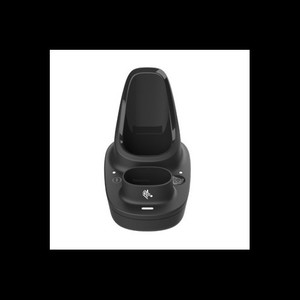
Zebra CR6080-SA40004WW 4-Slot Device Cradle
Overview
The Zebra CR6080-SA40004WW is a 4-slot charging cradle purpose-built for high-volume cordless device deployments in warehouse, retail, and logistics environments. Unlike single-device chargers that create rotation bottlenecks, the CR6080-SA40004WW lets you charge four devices at once—a practical necessity when devices cycle through shifts or require rapid turnaround between scanning runs. Wired connectivity ensures reliable communication during charging sessions, eliminating the staging delays that plague wireless-only cradles.
Key Features
- 4-Slot Concurrent Charging: Simultaneous charge of up to four cordless scanning or mobile computing devices. If your operation runs parallel picking waves or cross-dock sorting, this cuts idle time versus daisy-chain or single-bay chargers. One cradle handles a four-person team's rotation in most eight-hour shift patterns.
- Wired Connectivity: Maintains active communication with charging devices through hard-wired connection. No RF interference, no dropped sessions—essential if your warehouse network is already saturated with WiFi or if you need synchronous fleet synchronization during charge cycles (e.g., roster updates, firmware patches, or configuration pushes).
- Multi-Device Compatibility: Designed to work across Zebra's cordless scanning and mobile computing product lines. Verify your specific device model against Zebra's compatibility matrix before procurement—this cradle is not universal across all Zebra form factors, and mismatched devices can produce mechanical fit or electrical issues. Check the device manual or consult your integrator to confirm MPN alignment.
- Reduced Operational Downtime: Four-bay design means less device circulation latency. In high-velocity environments (fulfillment centers, cross-docks, retail distribution), this translates to fewer stranded devices waiting for a charger and faster throughput per operator. One CR6080-SA40004WW can support roughly 6–8 operators in shift-rotation scenarios.
- Compact Footprint: Multi-slot cradles consolidate charging infrastructure into a single unit rather than scattering four individual chargers across a staging area. Simplifies power distribution, cable management, and space allocation in cramped loading docks or staging zones.
- Enterprise Fleet Management: Wired connectivity enables remote monitoring and status reporting via standard network infrastructure. Many Zebra mobile devices integrated into this cradle support enterprise management platforms—verify your existing Mobile Device Management (MDM) or fleet orchestration tool compatibility before assuming end-to-end automation.
Integration and Compatibility
The CR6080-SA40004WW integrates with Zebra's cordless scanner and mobile computing families. Wired communication relies on standard Ethernet or direct serial connection—consult your existing mobile device documentation and your network infrastructure diagram to confirm port availability and power sourcing. If you're already running networked devices in your warehouse, the additional load of a 4-slot cradle is typically minimal, but verify power-budget and network switch port availability before deployment.
Placement matters. Site the cradle near your device staging area, pick-pack line, or receiving dock to minimize operator travel time during shift handoff. Ensure the surrounding environment is dry and temperature-controlled (most Zebra devices operate between 0°C and 50°C). Avoid placing it in direct sunlight or near thermal stress sources that could degrade battery longevity.
When to Choose a Different Model
If your operation requires true wireless charging without any tethered connectivity, or if you operate fewer than four concurrent device users, a smaller single- or dual-slot cradle from Zebra's lineup may be more cost-effective. If you need cradle-based data offload or barcode capture during charging (e.g., asset reconciliation), verify whether this model supports that capability—some Zebra cradles include optional accessory ports for additional sensors or scanners.
Frequently Asked Questions
Q: Does the CR6080-SA40004WW work with wireless devices?
A: The cradle is designed for wired connectivity. Wireless-capable devices can be charged in this unit, but the communication link is wired. This is an advantage if you need synchronized fleet updates during charging.
Q: What power supply do I need?
A: Power requirements depend on your Zebra device model and charging load. Consult the device datasheet and the cradle's power specifications before sizing your supply.
Q: Can I mount the cradle on a wall or shelf?
A: The CR6080-SA40004WW is designed as a standalone unit. Wall or shelf mounting may be possible with optional brackets, but verify mechanical load rating and electrical access before installation.
Q: What's the typical charge time for four devices?
A: Charge time depends on your specific device model, battery capacity, and cradle configuration. Consult device documentation for battery-specific charge curves.
Q: Does the cradle support firmware updates?
A: Wired connectivity allows the cradle to serve as a communication gateway during charging. Firmware updates are typically managed through your Zebra management platform or IT infrastructure, not the cradle itself.
Q: Is the CR6080-SA40004WW compatible with all Zebra cordless devices?
A: No. This cradle is designed for specific Zebra scanner and mobile computing models. Verify device compatibility with Zebra's technical documentation or your integrator before purchase.
Ted PerryPerspective based on aggregated IP Security Depot and affiliated engineering team experience.
The CR6080-SA40004WW solves a real logistics problem: device staging latency. In a 20-operator warehouse, one single-bay charger becomes a bottleneck. This 4-slot unit means your team isn't hunting for available charging bays or waiting for a device to top up before starting the next pick cycle. The wired connectivity is the detail that matters most—it keeps your fleet synchronized with your MDM system even during the charging window, which is when many IT operations push updates or configuration changes.
Technical Highlights:
- 4-Slot Concurrent Architecture: Unlike stacked or sequential chargers, this unit charges all four devices simultaneously. No time penalty, no rotation delays. Each bay is independent, so a fault in one device doesn't block the others.
- Wired Communication Gateway: Maintains active link during charging. Essential if your warehouse network is congested with WiFi and you need deterministic, interference-free device-to-backend synchronization. This is especially valuable during shift handoffs when you need to verify device status, clear logs, or push security patches before a device returns to the floor.
- Compact Integration Footprint: Consolidates four chargers into one unit. Saves dock space, simplifies power distribution, reduces cable clutter—all meaningful in cramped fulfillment centers or cross-dock areas.
Deployment Considerations:
- Device Compatibility Verification is Non-Negotiable: This cradle works with specific Zebra cordless scanner and mobile computing models. Mechanical fitment and electrical interface vary across Zebra's product lines. Mismatched devices may fit loosely or not charge correctly. Consult your device MPN and Zebra's compatibility matrix before deploying units across your fleet.
- Power Budget and Environmental Placement: Four concurrent charges draw meaningful current. Size your power distribution accordingly, and avoid placing the cradle in thermally stressed areas (direct sunlight, proximity to furnaces or dock doors) because battery charging generates heat. Maintain 0°C to 50°C ambient operating range for best device longevity.
- Network Integration Timing: If this is your first wired cradle deployment, plan your network topology and switch port allocation during your staging area design. Wired communication requires an Ethernet run or serial tether—not a plug-and-play wireless retrofit.
Deploy the CR6080-SA40004WW in high-velocity shift-based environments where four or more operators rotate devices within an 8–12 hour cycle. It's overkill for single-operator or low-utilization scenarios, but it becomes genuinely cost-effective (vs. multiple single-bay cradles) once you cross the 6–8 concurrent user threshold in your operation.