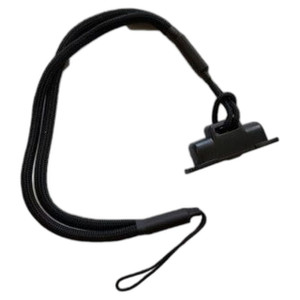
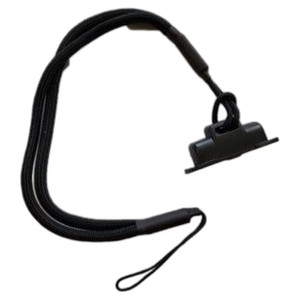
Zebra ADP-RFD90-BT-1R Bluetooth Sled Adaptor
Overview
The Zebra ADP-RFD90-BT-1R is a Bluetooth sled adaptor engineered to add wireless connectivity to Zebra RFD90 mobile computers without requiring separate power supplies or external cabling. Designed for warehouse, logistics, and field operations, this adaptor integrates with compatible Otterbox protective enclosures and enables pairing with Bluetooth-enabled scanners, printers, and peripherals. Its wireless architecture simplifies device mobility and reduces tether dependencies in high-motion environments where cable management becomes a liability.
Key Features
- Bluetooth Wireless Pairing: Connects to external Bluetooth peripherals (scanners, printers, label makers) without wired sled connections—critical when your operators move between zones or hand off devices between team members without docking.
- Otterbox Enclosure Compatibility: Designed to integrate with Otterbox rugged protective cases, maintaining drop protection and environmental sealing while preserving wireless performance—your device stays protected in rough warehouse or outdoor conditions.
- No External Power Required: The ADP-RFD90-BT-1R draws power from the RFD90 host device, eliminating the need for a separate power adapter or charging dock. Simplifies deployment and reduces IT overhead.
- Seamless RFD90 Integration: Purpose-built for the Zebra RFD90 platform, ensuring plug-and-play compatibility without firmware conflicts or driver complications—your existing RFD90 investment works immediately.
- Wireless Peripheral Support: Supports pairing with Zebra Bluetooth scanners, mobile printers, and third-party Bluetooth accessories certified for warehouse-class operations. Enables flexible periphery configuration without redesigning your mobile computer infrastructure.
Integration & Compatibility
The ADP-RFD90-BT-1R pairs with the Zebra RFD90 mobile computer and compatible Otterbox protective enclosures. Verify peripheral compatibility with your Bluetooth scanner or printer manufacturer before ordering—while most modern warehouse-grade Bluetooth devices follow standard pairing protocols, edge cases exist with older or proprietary implementations. If your deployment includes legacy scanners or non-standard peripherals, request compatibility confirmation from the device vendor before committing to this sled.
For broader context on mobile computer platforms and alternative connectivity approaches in warehouse automation, consult your warehouse automation selection guide.
What's in the Box
- Zebra ADP-RFD90-BT-1R Bluetooth Sled Adaptor
- Otterbox protective enclosure
Frequently Asked Questions
Q: Does the ADP-RFD90-BT-1R work with other Zebra mobile computers besides the RFD90?
A: No. This adaptor is purpose-built for the Zebra RFD90. Other Zebra mobile computer models (TC70, MC9300, etc.) use different sled designs and are not compatible with the ADP-RFD90-BT-1R.
Q: Will the ADP-RFD90-BT-1R fit inside the Otterbox case that comes with my RFD90?
A: The adaptor is engineered for integration with Otterbox rugged enclosures. The package includes a compatible Otterbox case; verify dimensions if you are using a third-party or replacement enclosure.
Q: What Bluetooth version does the ADP-RFD90-BT-1R support?
A: The adaptor specification sheet details the Bluetooth standard (e.g., Bluetooth 4.2, Bluetooth 5.0). Consult the datasheet or contact the manufacturer for exact version and range specifications.
Q: Can I use the ADP-RFD90-BT-1R with both a scanner and printer at the same time?
A: Bluetooth pairing supports multiple devices. However, simultaneous data transfer depends on your Bluetooth peripheral's implementation and the RFD90's processor load. Test multi-device scenarios in your environment before full rollout.
Q: Is there a performance penalty using Bluetooth instead of a wired sled?
A: Bluetooth introduces latency and potential range limits compared to wired connections. For high-throughput barcode scanning or batch printing, measure real-world performance in your facility. Wired sleds remain faster; wireless is a mobility trade-off.
Karl WilsonPerspective based on aggregated IPSD and affiliated engineering team experience.
The ADP-RFD90-BT-1R solves a real problem for high-motion warehouse operations: untethered device mobility. If your team is scanning across multiple zones, handing devices between operators, or working in confined spaces where cable routing is impractical, wireless peripheral pairing eliminates a known source of breakage and downtime. The trade-off is latency and effective range—Bluetooth operates in the 2.4 GHz band and doesn't match the throughput or reliability of a wired sled connection.
Technical Highlights:
- Wireless Peripheral Architecture: No external power, no dock dependency, no cable management overhead. The ADP-RFD90-BT-1R pulls power from the RFD90 battery, meaning your operators move at the pace of the device, not the infrastructure.
- Otterbox-Integrated Protection: The included Otterbox enclosure maintains drop protection and environmental sealing while preserving wireless signal propagation—you don't sacrifice durability for mobility.
- RFD90-Native Design: Purpose-built integration means no driver hassles or firmware patches. Pair it, deploy it, support it.
Deployment Considerations:
- Bluetooth Range Limits: Effective range typically 30–100 feet depending on obstruction, device density, and RF interference in your facility. Test in your actual environment; dense metal shelving or high-RF environments (e.g., near Wi-Fi access points or industrial radio) can degrade range.
- Latency Trade-Off: Bluetooth introduces inherent latency (10–100 ms depending on conditions) compared to wired sleds. For high-volume barcode scanning or real-time batch operations, this can be noticeable. Measure scan rate and print speed in your facility before committing to wireless across your entire fleet.
- Peripheral Compatibility Gotcha: Not all Bluetooth scanners or printers are equally reliable in warehouse environments. Certified Zebra Bluetooth peripherals are your safest bet; third-party Bluetooth devices may work but require pre-deployment validation.
Position the ADP-RFD90-BT-1R for operations where operator mobility and reduced cable liability outweigh the latency cost—high-touch receiving, cross-dock sorting, or field audits. For stationary scanning stations or batch-oriented workloads (e.g., bulk inbound receiving), a wired sled remains the faster, more stable choice.