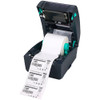
TSC 99-059A002-2001 Thermal Transfer Label Printer
Overview
The TSC 99-059A002-2001 is a compact thermal transfer label printer purpose-built for warehouse, logistics, and retail operations that need reliable, fade-resistant bar codes and variable data output. Operating at 6 inches per second (ips) with 300 DPI resolution, this model delivers sharp, durable labels on both label stock and receipts. The thermal transfer method—as opposed to direct thermal—ensures printed output resists fading, moisture, temperature extremes, and chemical exposure common in outdoor staging, cold storage, and extended archival scenarios. Four connectivity pathways (Ethernet, USB, Serial, and Parallel) make integration straightforward whether you're deploying alongside modern warehouse management systems or legacy terminal infrastructure.
Key Features
- 6 Inches Per Second Print Speed: Fast enough to handle typical warehouse label volumes (500+ labels daily in shipping, receiving, and internal stock applications) without creating a throughput bottleneck. At this speed, a 4x6 shipping label completes in roughly 4 seconds.
- 300 DPI Resolution: Produces consistently sharp bar codes and human-readable text that pass optical scanning in both hand-held and high-speed conveyor operations. Barcode readability remains reliable even on smaller label formats where lower DPI would cause scan failures.
- Thermal Transfer Print Technology: Output is fade-resistant and durable in outdoor, cold-storage, and moisture-heavy environments. Unlike direct thermal, thermal transfer labels survive temperature swings, sunlight, and chemical exposure—critical for cold-chain logistics, dock staging, and long-term inventory tracking.
- Multi-Protocol Connectivity: Ethernet for networked WMS integration; USB for direct computer connections; Serial (RS-232) for legacy terminal environments; Parallel (Centronics) for older label-production hardware. This eliminates the need for protocol converters or middleware when bridging new and legacy systems.
- Media Flexibility: Handles both label stock and receipts, supporting mixed workflows from packing lists to billing documents without requiring separate hardware.
- Compact Industrial Enclosure: Navy-finish housing built for dock and warehouse environments. Space-efficient form factor suits confined counter, office, and staging-area label stations.
Integration & Compatibility
The 99-059A002-2001 (often searched as 99 059A002 2001) is designed to plug into existing warehouse infrastructure without forcing a hardware overhaul. Ethernet connectivity integrates directly with modern WMS and label-generation software; Serial and Parallel ports support legacy terminal systems and older label-production applications that many distribution centers still run. This multi-interface flexibility is particularly valuable in mid-size operations transitioning gradually from serial-based printing to networked systems—you don't have to upgrade everything at once. Thermal transfer printing ensures labels remain readable across temperature extremes, moisture exposure, and chemical contact typical of manufacturing floors, outdoor logistics hubs, and cold-chain distribution.
Frequently Asked Questions
Q: What's the difference between thermal transfer and direct thermal printing?
A: Thermal transfer uses a ribbon and produces output that resists fading, moisture, heat, and chemicals—essential for outdoor labels and extended storage. Direct thermal prints directly on heat-sensitive paper and fades quickly in sunlight or with temperature changes. The 99-059A002-2001 uses thermal transfer, making it suited for dock, cold storage, and outdoor applications.
Q: Can the 99-059A002-2001 connect to both modern and older warehouse systems?
A: Yes. The model supports Ethernet for modern WMS systems, USB for contemporary computers, and Serial/Parallel for legacy terminal hardware. You can deploy it alongside existing infrastructure without protocol converters.
Q: What label sizes does the 99-059A002-2001 handle?
A: The printer accommodates standard label stock and receipt media. Specific maximum widths and lengths should be verified in the manufacturer datasheet, as media specifications determine practical label format support.
Q: Is the 99-059A002-2001 suitable for outdoor or cold-storage labels?
A: Yes. Thermal transfer output is inherently fade-resistant and withstands temperature extremes and moisture—key requirements for outdoor staging, cold-chain logistics, and long-term archival labeling.
Q: How fast can the 99-059A002-2001 print a 4x6 shipping label?
A: At 6 ips print speed, a standard 4x6 label completes in approximately 4 seconds, making it suitable for high-volume warehouse operations without introducing significant production delays.
Q: What power and connectivity are required for installation?
A: The printer requires AC power and connects via Ethernet, USB, Serial, or Parallel. No special network infrastructure is required—Ethernet or legacy serial/parallel interfaces integrate directly into existing dock or office setups.
Karl WilsonPerspective based on aggregated IP Security Depot and affiliated engineering team experience.
During a recent warehouse modernization assessment, I evaluated the TSC 99-059A002-2001 for a mid-size distributor transitioning from serial-based label printers to networked operations. This model bridges that gap cleanly: the Ethernet port supports modern WMS integration, while the Serial and Parallel ports ensure backward compatibility with existing dock terminals and label-generation software that many logistics operations still rely on.
Technical Highlights:
- 300 DPI Output: Produces consistently sharp bar codes and text that pass optical scanning in both hand-held and high-speed conveyor operations. Thermal transfer ensures labels survive temperature swings and moisture exposure in cold storage and outdoor staging areas—a significant advantage over direct thermal, which fades in sunlight and temperature extremes.
- Six-Inch-Per-Second Print Speed: At this speed, the 99-059A002-2001 handles typical warehouse label volumes (shipping labels, internal stock labels, case labels) without becoming a throughput bottleneck, even in operations printing 500+ labels daily. A standard 4x6 shipping label completes in roughly 4 seconds.
- Four Interface Support: The combination of Ethernet, USB, Serial, and Parallel eliminates the need for middleware converters or protocol upgrades; the printer connects directly to modern network infrastructure or legacy terminal systems without additional hardware.
Deployment Considerations:
- Thermal transfer printing requires ribbon cartridges, not just label stock—factor consumable costs into budget planning. Direct thermal would be cheaper per label, but output wouldn't survive outdoor or cold-storage environments.
- The compact form factor suits confined dock and office stations, but verify space availability before ordering if your label-print location is cramped or already crowded with other equipment.
- Media width and length specifications determine practical label format support—confirm your label dimensions (4x6, 3x5, etc.) against manufacturer media specifications before deployment.
The 99-059A002-2001 is the right choice for operations that need fade-resistant labels and must integrate with both legacy and modern systems. If you're running pure-digital infrastructure with no serial or parallel legacy hardware, a newer network-only model might eliminate unused ports. But if you have older terminals or need backward compatibility, this printer removes the integration headache.