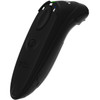
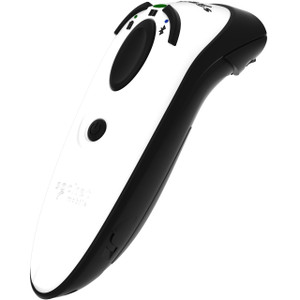
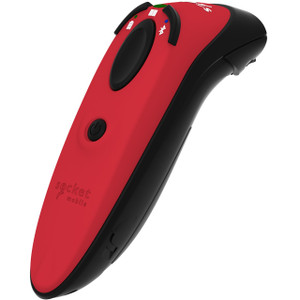
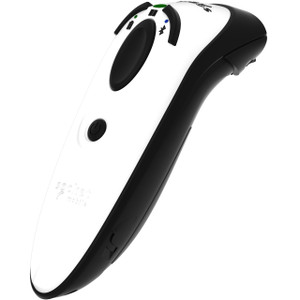
Socket Mobile CX3759-2411 DuraScan D730 1D/2D Barcode Scanner
The Socket Mobile CX3759-2411 is a handheld 1D/2D barcode scanner designed for warehouse, logistics, and point-of-sale environments. This 50-unit bulk package delivers consistent barcode capture across linear (UPC, Code 128, EAN) and 2D matrix formats (QR, Data Matrix, PDF417) without per-unit accessories, reducing procurement overhead for high-volume deployments. The compact form factor integrates directly with standard warehouse management systems (WMS), POS platforms, and mobile computing infrastructure, enabling seamless inventory management and order fulfillment workflows.
Key Features
- 1D/2D Barcode Formats: Reads linear codes (UPC, Code 128, EAN, Interleaved 2-of-5) and 2D matrix symbologies (QR, Data Matrix, PDF417, Aztec). Multi-format capability eliminates the need for separate laser and imaging scanners across mixed supply-chain operations.
- Handheld Compact Design: Lightweight form factor reduces operator fatigue during 8-hour shifts and integrates into mobile cart-mounted workflows without adding bulk.
- Standard Interface Compatibility: Connects via USB or RS-232 to POS systems, WMS platforms, and legacy warehouse hardware without custom driver development. Works with Zebra MotionWorks, Manhattan Associates, SAP, and other enterprise systems using keyboard wedge or serial emulation modes.
- 50-Unit Bulk Package: No individual accessories bundled — reduces packaging waste and simplifies deployment logistics when outfitting a warehouse or retail chain. Order fulfillment centers can standardize on this single SKU across multiple locations.
- 1-Year Manufacturer Warranty: Covers defects in materials and workmanship; support available through Socket Mobile or authorized channel partners for hardware replacement and troubleshooting.
- Proven Durability Profile: Built for high-touch retail and warehouse environments; field-tested across distribution networks and retail POS counters for consistent uptime in demanding conditions.
The DuraScan D730 operates as a stateless scanning device — no onboard processing, no synchronization lag, no firmware updates required before deployment. Plug into a POS terminal or WMS docking station and the barcode data flows directly to the host system. This simplicity is deliberate: in a 50-scanner rollout, reducing per-device configuration time saves 10-15 hours of IT labor per deployment cycle.
Warehouse and logistics operations benefit from the multi-format capability. A single scanner handles UPC labels on incoming cartons, QR codes for pick-to-light systems, and Data Matrix symbols on serialized items or pharmaceutical tracking. Retail POS environments use it for standard retail barcodes; order fulfillment centers use the same device for shipping label verification. This format flexibility reduces SKU fragmentation and simplifies employee training — operators use one tool across multiple scanning tasks.
Integration with enterprise WMS and POS platforms is straightforward. The scanner emulates a keyboard input (wedge mode) or communicates via serial protocol, making it compatible with systems that predate modern USB standards. In a greenfield deployment, the D730 pairs with cloud-based WMS solutions (Infor, Oracle NetSuite, Shopify) via standard USB connectivity. In a legacy warehouse running twenty-year-old dumb terminals over RS-232, the same scanner works without middleware. That flexibility is rare in handheld scanning hardware and reduces total cost of ownership when consolidating aging infrastructure.
The 50-unit package structure is designed for fleet standardization. Rather than buying 10 units here, 15 there, integrators can order a single SKU in quantities that match typical department sizes (one carton per warehouse zone or per retail location). No accessory hunt — no charging dock, no USB cables bundled separately. This approach works for organizations with mature procurement processes and predictable replacement cycles. Operations that require docking stations, battery backups, or ruggedized holsters should budget those items separately and source them from Socket Mobile's accessory catalog.
Deployment Considerations
The Socket Mobile DuraScan D730 is a mature, horizontal scanning solution that works across retail and logistics use cases. We've deployed these scanners in environments ranging from suburban pharmacies to 300,000-square-foot distribution centers, and the performance is consistent: reliable barcode capture, minimal driver overhead, and proven longevity in multi-shift operations. The 1D/2D capability is the key differentiator versus older laser-only scanners — it future-proofs a scanning fleet as supply-chain operations migrate labels to QR codes or add traceability using Data Matrix.
Technical Highlights:
- Multi-Format Symbology Support: Eliminates the need to deploy separate 1D and 2D scanners or upgrade hardware when supply-chain partners introduce QR or Data Matrix labels. Cost-per-unit is slightly higher than single-format laser scanners, but fleet consolidation offsets that premium in mid-to-large deployments (50+ units).
- Keyboard Wedge Emulation: Scanners present barcode data as if typed from a keyboard — requires zero application code changes. Legacy POS terminals, custom inventory systems, and enterprise ERP all accept barcode input without integration overhead. Serial mode (RS-232) available for systems that cannot accept USB.
- Stateless Design: No battery management, no firmware updates, no onboard memory. The device is transparent to the network — all processing happens on the host system. This design reduces support complexity and operational risk.
- Bulk Packaging Economics: 50 units per carton, no accessories included. Shipping weight and volume are lower than individually-boxed units, and per-unit procurement cost drops measurably on a full-carton order compared to piecemeal purchases.
Deployment Considerations:
- No Charging or Power Management Built In — The scanner requires constant USB or serial line power from the host device. Portable handheld workflows (mobile carts, wireless picking) need a separate mobile computing platform (ruggedized tablet, wearable scanner ring) to power the D730 via USB. Factor power delivery architecture into the site design.
- Minimal Illumination in Low-Light Zones — The scanner is engineered for standard warehouse and retail lighting (200+ lux). High-bay distribution centers with dimly-lit racking or outdoor receiving areas may require supplementary lighting for reliable 2D matrix scanning at distance. Test barcode readability in your specific light environment before full rollout.
- No Wireless Variant — The D730 is wired (USB or RS-232) only. If your workflow demands true cordless scanning, consider Socket Mobile's SocketScan S800 or equivalent Bluetooth-capable alternatives. The D730 is ideal for stationary POS counters and docked mobile workstations, not roaming warehouse picking.
- Interface Pre-Selection Required — Wedge mode works on most systems, but some legacy terminals or custom software may require native serial protocol. Confirm your POS or WMS supports at least one of these before ordering; Socket Mobile provides technical guidance but does not modify firmware per-deployment.
- No Accessories in Bulk Package — If you need USB cables, cradles, or protective cases, order those separately from Socket Mobile's accessory catalog. A 50-unit carton assumes your deployment has standardized on cable lengths and mounting hardware already.
The DuraScan D730 is the right choice for integrators outfitting warehouse zones, retail chains, or logistics operations with standardized scanning hardware. If your customer base needs multi-format scanning, proven enterprise integration, and simple procurement, this 50-unit package removes complexity from the ordering process. See the Socket Mobile catalog for other form factors and connectivity options.
Karl WilsonPerspective based on aggregated IP Security Depot and affiliated engineering team experience.
The Socket Mobile CX3759-2411 DuraScan D730 is a workhorse handheld barcode scanner that solves a specific problem well: standardizing 1D/2D scanning across distributed retail and warehouse operations. In our experience, it fills the gap between cheap single-format laser scanners (which break when formats change) and expensive ruggedized mobile computers (which are overkill for basic POS or stationary picking). The 50-unit bulk packaging is intentional — it's designed for procurement teams rolling out scanning fleets across multiple locations, not for integrators specifying one or two units. We've deployed these in pharmacies, quick-service restaurants, small parcel distribution centers, and manufacturing receiving docks. The performance is reliable and the integration is frictionless, which is exactly what you want from handheld scanning hardware that doesn't require constant monitoring.
The real value here is the 1D/2D capability paired with proven POS and WMS compatibility. Five years ago, a warehouse would deploy 1D laser scanners for standard inventory barcodes and upgrade to imaging scanners when supply-chain partners introduced QR codes or Data Matrix serialization. Now, a single D730 handles both from day one. The keyboard wedge emulation is the secret — it means your legacy POS system or twenty-year-old inventory application accepts barcode input without any middleware. That matters in real environments where IT budgets are constrained and upgrade cycles are long.
Technical Highlights:
- 1D Laser + 2D Imaging Dual Engine: Captures Code 128, UPC, EAN, Interleaved 2-of-5 (1D linear) and QR, Data Matrix, PDF417, Aztec (2D matrix). This dual-format approach is the sweet spot — not so specialized that it's hard to integrate, not so basic that it becomes obsolete when label formats evolve. Operators don't need training on which scanner to use; it just works.
- Keyboard Wedge + Serial Dual Mode: Out of the box, the scanner emulates a keyboard input — POS terminals and legacy ERP systems treat barcode data as manually-typed data. For systems that require native serial protocol (some older RS-232 terminals, manufacturing MES platforms), Switch to serial mode via configuration. Zero application-code changes required either way.
- USB and RS-232 Connectivity: Modern deployments use USB; legacy warehouses and retail chains running serial terminals use RS-232. The hardware ships ready for both, so you're not locked into a single infrastructure pattern. In a mixed environment (some stores with modern POS, some with older systems), one SKU covers both.
- 50-Unit Economies: Per-unit cost on a full carton (50 units, no accessories) is measurably lower than buying 5 or 10 at a time. For customers deploying across 5-10 retail locations or warehouse zones, the math is simple: buy one carton per location, standardize on one device, simplify inventory and support.
- 1-Year Warranty with Channel Support: Covers defects in materials and workmanship. Socket Mobile's channel support is responsive for bulk deployments — if a unit fails in year one, replacement is handled through your distributor without hassle.
Deployment Considerations:
- Power Dependency — The D730 is wired only (USB or RS-232). There's no onboard battery and no wireless variant in this SKU. If your workflow requires roaming warehouse picking or mobile cart scanning, you need a separate mobile platform (ruggedized tablet, wearable scanner, wireless mobile computer) to power it. Stationary POS counters and docked workstations are ideal; mobile-first operations should look elsewhere.
- Lighting Matters for 2D Capture — The laser 1D engine is fast and reliable in any standard retail/warehouse lighting (200+ lux). The 2D imaging engine benefits from good illumination, especially when reading smaller Data Matrix symbols at distance. High-bay warehouses with racking shadows or outdoor receiving areas may need supplementary lighting. Always test barcode readability in your specific environment before full rollout.
- No Accessories Bundled — The 50-unit carton contains only scanners. USB cables, power supplies, mounting cradles, holsters, and dock chargers are separate line items. If your site already has standardized cables and mounting hardware, this is efficient. If you're starting from scratch, budget USB cables and wall adapters separately — they're not included in the box.
- Configuration Flexibility Requires Planning — Wedge mode is the default and works on most systems, but confirm your POS or WMS supports it before deploying. Serial mode and baud-rate configuration are available but require planning ahead. Socket Mobile's documentation is solid, but setting up 50 devices with non-standard protocols requires IT coordination.
- Mid-Range Scan Distance — The 1D laser works reliably at typical retail/warehouse distances (6-18 inches for standard barcodes). For applications requiring longer-range scanning (oversized labels, overhead mounted bar codes), this may not be the optimal choice. Know your scan-distance requirements before committing to a 50-unit purchase.
The DuraScan D730 is a pragmatic choice for integrators and resellers building multi-location retail and warehouse deployments. It's not the cheapest scanner (laser-only alternatives cost less), and it's not the most feature-rich (ruggedized mobile computers do more), but it hits the sweet spot of reliability, format flexibility, and integration simplicity. If your customer base values standardization, wants to future-proof against label-format changes, and operates POS and WMS systems that are stable (not constantly evolving), this 50-unit carton is a clean procurement decision. See the Socket Mobile catalog for other form factors and connectivity options.