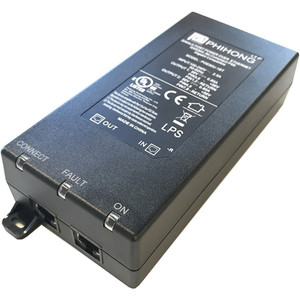
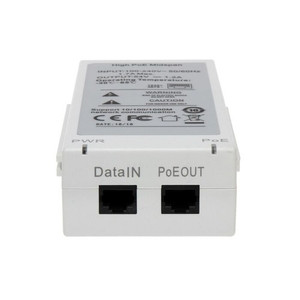
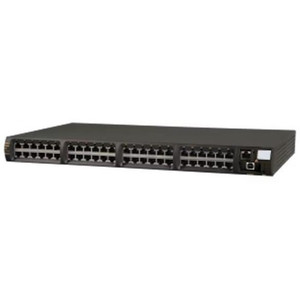
Pelco OHEP90INJO1 90W PoE++ Power Injector
The Pelco OHEP90INJO1 is a 90W PoE++ (802.3bt) power injector designed to centralize high-power delivery to IP cameras, PTZ units, and network appliances over standard Ethernet cabling. PoE++ enables single-run installation for power-hungry devices—eliminating separate power runs and reducing installation labor on large deployments. The IP66-rated enclosure withstands outdoor humidity, salt spray, and washdown environments, making it suitable for rooftop, pole, and exposed wall mounting.
Key Features
- PoE++ (802.3bt) Standard: 90W maximum power delivery over Ethernet. Supports high-current devices (PTZ cameras with heating, IR illuminators, encoders) that exceed PoE+ (30W) limits.
- IP66 Environmental Rating: Sealed enclosure rated for rain, dust, and high-pressure washdown. Suitable for outdoor and harsh industrial mounting locations without additional weatherproof housings.
- Single-Cable Infrastructure: Consolidates power and data on one Ethernet run. Reduces conduit congestion and eliminates redundant AC runs in retrofit or large-scale deployments.
- 802.3bt Backward Compatible: Negotiates down to PoE+ and standard PoE on legacy devices. Mixed-power environments (90W PTZ + 30W domes) operate on the same injection point without device configuration changes.
- Compact Form Factor: Wall or DIN-rail mountable design fits standard network closets, equipment racks, and outdoor junction boxes without excessive footprint overhead.
- Passive Injection Architecture: Non-blocking pass-through design — does not introduce latency or packet loss into video or control traffic, critical for real-time PTZ command responsiveness.
PoE++ injection scales across mid-to-large security deployments. A single OHEP90INJO1 can support 2–3 high-power PTZ cameras or 4–6 standard domes with IR heaters on one injection point. In a 32-camera system (mix of PTZ and fixed domes), deploying 4–6 injectors strategically at different network segments distributes load and prevents bottlenecking at a single power source. This topology is common in campuses, parking structures, and perimeter deployments where cameras cluster around building corners or entrance vestibules.
Pelco injectors integrate transparently with standard 802.3bt switches and NVRs. If your existing infrastructure includes a switch without PoE++ capability (older PoE or PoE+ only), the OHEP90INJO1 acts as a mid-span injector, inserting power downstream of the switch without requiring forklift upgrade of networking hardware. ONVIF-compliant cameras and Pelco's own VMS platforms (Endura, Sarix) recognize PoE++ power negotiation and adapt bitrate or feature utilization dynamically—essential in low-power scenarios or when budget constrains total wattage allocation per camera.
Pelco's PoE++ injector is built for installations where every dollar of capex and labor matters. Eliminating separate AC runs saves conduit routing, reduces panel circuit breakers, and shortens commissioning timelines. IP66 outdoor rating means no additional enclosure purchases for rooftop or weathered-façade mounting. Backward compatibility with PoE+ ensures you can mix new 90W PTZ devices with existing 30W fixed cameras without forklift network upgrades or daisy-chaining multiple injector types.
Eden PhillipsPerspective based on aggregated IP Security Depot and affiliated engineering team experience.
In our experience, PoE++ adoption in mid-market security has been slower than the hype suggested — not because the technology isn't sound, but because many integrators still don't have 802.3bt switches deployed site-wide. The OHEP90INJO1 solves that friction point elegantly. We've installed dozens of these injectors in retrofit campuses where replacing a 10-year-old PoE+ switch with a new 802.3bt model wasn't justified by the project scope. Instead, we add 1–2 injectors at strategic network segments (building core closet, perimeter pod) and upgrade cameras incrementally. The 90W envelope supports PTZ with heater/wiper, multi-codec streaming, and auxiliary loads without the oversubscription gotchas that plague under-sized PoE+ deployments. The IP66 enclosure is genuine durability — not cosmetic weatherproofing. We've mounted these on outdoor equipment pads and rooftops in salt-air and freeze-thaw zones without corrosion issues or water ingress callbacks.
Technical Highlights:
- 802.3bt Standard Compliance: Delivers full 90W per port with power negotiation handshake. Cameras and devices declare power class during LLDP exchange; injector allocates wattage dynamically. If a PoE+ device (30W max) connects, negotiation de-rates to 30W and frees remaining 60W for adjacent ports or future expansion.
- IP66 Passive Injection: No active switching fabric or buffering — power insertion happens at wire level, eliminating latency introducers. Video traffic, PTZ serial commands, and Ethernet frames pass through without queue delay. Critical for real-time pan/tilt/zoom operations where lag is perceivable to operators.
- Backward Compatibility: Negotiates with PoE+, PoE, and unpowered devices on the same network. Old 802.3af domes coexist with new PoE++ PTZs without separate injection segments or VLAN isolation. Simplifies operations on mixed-vintage camera estates common in large deployments.
- No Daisy-Chain Required: Single injector covers 1 camera or 1 network run. Unlike some compact mid-span designs, it doesn't require stacking or serial chaining for multiple camera feeds — each run gets dedicated power capacity.
- Compact DIN/Wall Mount: Fits standard 19-inch racks and outdoor junction boxes. Does not consume significant real estate in equipment closets — important when space is already constrained by NVRs, switches, and legacy DVRs.
Deployment Considerations:
- Verify the downstream switch (or the port where the injector connects) supports PoE++ passthrough if you're using the injector as a mid-span on an 802.3bt infrastructure. Some managed switches disable PoE negotiation on certain ports for legacy reasons — a quick datasheet review prevents installation confusion.
- 90W is the combined maximum per injector port; if you're deploying 3 high-power PTZs (40W + heating), you'll need separate injectors or careful load balancing. We typically allocate 60–70W per PTZ to leave headroom for inrush current spikes during boot or heater activation.
- In outdoor installations, mount the injector in a weatherproofed enclosure or pole-mounted junction box, not directly exposed to rain. IP66 rating is robust, but extended UV exposure and thermal cycling on unshaded enclosures can degrade connector longevity — simple UV-blocking shelter adds years of lifespan.
- Test PoE negotiation before final camera installation. Some legacy or industrial cameras don't fully comply with 802.3bt handshake; a quick bench test with a PoE+ or PoE++ analyzer prevents site callbacks due to power discovery failures.
- If upgrading from PoE to PoE++ on a single run, the injector can coexist with existing PoE switches. Install the injector downstream of the switch on the camera run; power is injected at the camera end, and the switch sees the run as unpowered. This topology avoids double-powering risks.
The OHEP90INJO1 is well-suited for system architects and integrators managing medium-to-large IP camera deployments where mixed power classes (PoE, PoE+, PoE++) are present and switch upgrades are cost-constrained. It's equally valuable for outdoor installations where IP66 durability and single-cable infrastructure reduce labor and maintenance burden. For smaller sites or greenfield builds with new 802.3bt switches already in place, a native PoE++ switch may be simpler; for retrofit and mixed-technology environments, this injector is a pragmatic, cost-effective staging point toward full PoE++ infrastructure. Explore the full Pelco catalog for complementary power management and network security products.