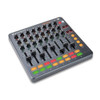
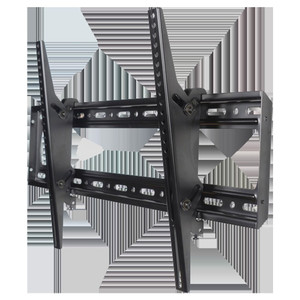
ACTi EPR1B38LCS-000 Newline Launch Control & Workspace
When you're deploying ACTi's Newline ecosystem for enterprise video management, you need centralized control over system initialization, configuration workflows, and operator workspace management. The EPR1B38LCS-000 provides the administrative foundation for launching and managing Newline deployments, giving integrators a structured environment for system commissioning and ongoing operational control across distributed surveillance installations.
Key Features
- Dedicated launch control interface for ACTi Newline VMS deployment and initialization
- Centralized workspace management for multi-operator surveillance environments
- System configuration tools for streamlined commissioning and site setup
- Administrative controls for user access, permissions, and role assignments
- Integration framework for connecting Newline components across the installation
- Workflow optimization tools for recurring operator tasks and system administration
- Deployment templates for standardizing configurations across multiple sites
- Diagnostic and system health monitoring capabilities for proactive maintenance
The EPR1B38LCS-000 addresses a common challenge in enterprise VMS deployments: the gap between installing hardware and delivering a functional, operator-ready system. Rather than forcing techs to configure each workstation and operator environment individually, this control module provides a unified launch point where you define system parameters, establish user workflows, and deploy consistent configurations. For integrators managing multiple Newline installations or large campus deployments, this translates to reduced commissioning time and standardized operator experiences across all locations.
The workspace management functionality becomes particularly valuable in 24/7 operations centers where multiple operators share monitoring responsibilities across shifts. You can pre-configure view layouts, camera groupings, and operational procedures that operators access immediately upon login. This eliminates the learning curve associated with ad-hoc system navigation and ensures consistent monitoring practices regardless of which team member is on duty. For system administrators, the centralized control model means updates to workflows or access permissions propagate across all connected workspaces without requiring individual station visits.