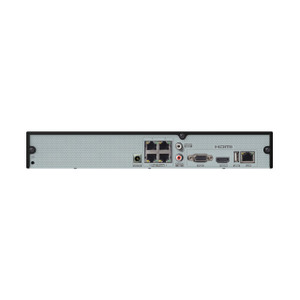
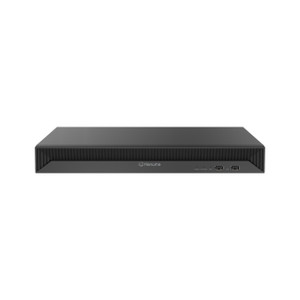
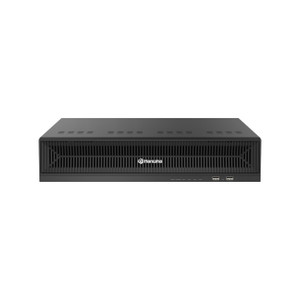
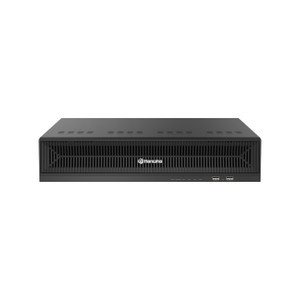
i-PRO NVR-R-2-48TB-A-V2 Enterprise Network Video Recorder
The i-PRO NVR-R-2-48TB-A-V2 is a dual Xeon octa-core network video recorder configured with 32GB RAM and 48TB onboard storage — designed for medium-to-large multi-camera deployments where processing power and retention matter equally. Dual Xeon architecture handles concurrent streams from 32+ cameras without frame loss or transcoding bottlenecks, while 48TB native storage delivers 30+ days of 24/7 recording at standard compression across a typical multi-megapixel camera mix.
Overview
This unit sits in the middle ground between compact 8-channel standalone NVRs and fully distributed storage architectures. The octa-core Xeon design means you can run analytics (motion detection, object classification, person counting) on the recorder itself rather than pushing that load back to cameras or external servers — a real advantage in bandwidth-constrained network environments. 32GB RAM supports simultaneous playback, live monitoring, and indexing without slowing ingest. 48TB capacity scales to 30–40 camera sites running continuous motion detection and snapshot-on-event triggers, depending on your compression strategy and average bitrate per camera.
Compatibility
The NVR-R-2-48TB-A-V2 integrates with any ONVIF Profile S or Profile G camera — i-PRO models, Axis, Hikvision, Dahua, and third-party devices all provision the same way. It ships with i-PRO's management VMS software but also supports Milestone Xprotect and generic ONVIF playback clients. If you're building a multi-vendor hybrid network (mixing i-PRO fixed cameras with pan-tilt-zoom units from another OEM), this recorder handles credential assignment and stream scheduling without proprietary lock-in.
Installation Notes
This is a rackmount unit (2U, standard 19-inch rack). Gigabit Ethernet bonding (dual 1GbE ports) supports redundant network paths — recommended for any surveillance system with SLA requirements above 99%. Dual power supplies enable N+1 redundancy; failure of one PSU does not interrupt recording. Plan for 300W average draw; peak during analytics indexing reaches 450W. Consult your IT team on network segmentation — a dedicated VLAN with QoS prioritization isolates video traffic from general corporate traffic and prevents bandwidth starvation during backup or firmware updates.