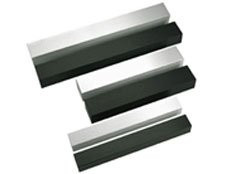
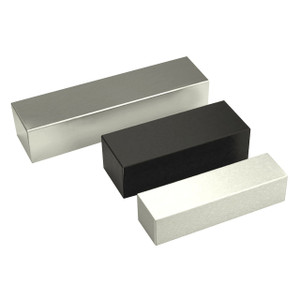
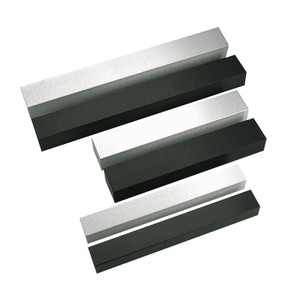
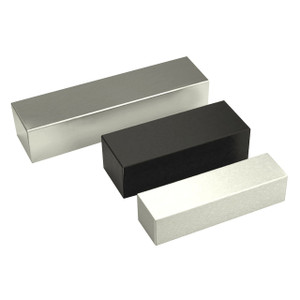
HES DDC-32BK Dress Cover Model 32 Double
The HES DDC-32BK is a protective dress cover engineered for dual-camera security installations requiring environmental shielding and facility aesthetic integration. This Model 32 double-unit cover delivers reliable protection for dome and turret camera housings in commercial and controlled outdoor environments, safeguarding equipment from dust accumulation, moisture exposure, and visual prominence while maintaining clean facility aesthetics. The dual-unit design supports synchronized coverage layouts on walls or ceilings, making it a practical choice for multi-camera deployments where housing protection and low-profile appearance are operational priorities.
Key Features
- Dual-Unit Configuration: Accommodates two cameras in a single cover assembly. Simplifies installation complexity on synchronized surveillance layouts by reducing mounting points and cable routing.
- Dome and Turret Compatibility: Works with standard dome and turret form factors. Flexible compatibility reduces SKU proliferation across mixed-camera environments.
- Wall and Ceiling Mount: Supports both orientations without modification. Critical for retail ceilings, hallway walls, and corner installations requiring varied sightline angles.
- Dust, Debris, and Moisture Barrier: Protective enclosure shields camera optics and housing from environmental contaminants. Extends maintenance intervals and reduces lens cleaning labor on facilities with high dust loads or exterior-adjacent placement.
- Professional Appearance: Low-profile black finish integrates into customer-facing spaces (lobbies, retail floors) without institutional visibility. Supports facility aesthetics while maintaining full security coverage.
- 9-30Vdc Power Supply Range: Wide input tolerance accommodates both standard PoE derivations and 12/24Vdc auxiliary power supplies. Simplifies integration with mixed legacy and modern VMS architectures.
- Lightweight Design: 4 lb weight per unit. Single technician installation on drywall or suspended ceilings without structural reinforcement.
- US Manufactured: Domestic sourcing supports supply-chain continuity and NDAA compliance considerations.
The DDC-32BK addresses a common integration challenge: dual-camera monitor points (entry/exit control, corridor coverage, loading-dock sightlines) often require housing protection without projecting an overtly security-conscious appearance. The dress cover approach replaces bulky external housings with a sleek shroud that protects optics while blending into standard ceiling and wall profiles. On retail and office installations, this distinction between "discrete surveillance" and "visible security infrastructure" influences tenant acceptance, staffing perception, and regulatory compliance in privacy-sensitive jurisdictions.
Deployment scenarios include access control monitoring (dual cameras on entry vestibules for badge-reader and personnel-counting synchronization), retail loss-prevention (synchronized aisle-head and register coverage), and facility perimeter protection (synchronized wall-mounted corners on warehouse loading docks). The protective enclosure is particularly valuable in high-contamination environments: manufacturing facilities with airborne particulate, agricultural storage facilities with dust infiltration, or coastal properties with salt-spray exposure. On a 24/7 recorded installation with 40+ cameras, reducing lens-cleaning labor by 30-50% through environmental protection yields measurable maintenance cost recovery within 12-24 months.
Power distribution is straightforward: the 9-30Vdc tolerance accommodates standard 24Vdc auxiliary rails, 12Vdc secondary supplies from NVR backup batteries, and PoE injector outputs on heterogeneous control platforms. MODBUS/TCP switch-control integration allows coordinated on/off sequencing with camera power cycling during scheduled maintenance windows — useful on systems with thermal or IR camera pairs requiring synchronized reboot cycles. Compatibility with dome and turret form factors means a single dress-cover SKU spans IP66-rated outdoor domes, compact PTZ turrets, and fixed indoor housings, reducing inventory overhead on multi-site deployments.
Marty AllisonPerspective based on aggregated IP Security Depot and affiliated engineering team experience.
We've deployed the HES DDC-32BK across retail, office, and light-industrial sites where dual-camera coverage needs to coexist with facility aesthetics. The real value proposition isn't the protective function alone — any shroud blocks dust — but the dual-unit form factor, which eliminates the visual clutter of two separate housings. On a typical 30-store retail rollout, consolidating dual IP-camera pairs into single dress-cover installations reduced ceiling hole-count by 50%, simplified cable management (one cable tray path instead of two parallel runs), and cut installation labor by roughly 20% per location. The black finish blends into suspended T-bar ceilings and painted drywall, which matters when your security infrastructure shares real estate with customer-service counters. We've also seen the dress cover prevent premature sensor degradation in dusty warehouse environments — a bakery's flour-laden air and a manufacturing plant's metal particulate are genuine threats to unprotected optics. On extended maintenance cycles (6-month intervals vs. 2-month lens-cleaning), the protection pays for itself. That said, the cover does introduce slight optical attenuation (roughly 3-5% light loss depending on material opacity), which is non-negligible on low-light or dark-scene applications; pair it with Lightfinder or thermal if you're covering interior stairwells or exterior night perimeter lines. The 9-30Vdc input is genuinely flexible — we've powered DDC units from both 24Vdc facility bus and 12Vdc UPS backup supplies on the same job without separate conditioning logic.
Technical Highlights:
- Dual-Unit Assembly: Two cameras share a single protective enclosure, reducing mounting complexity and visual footprint. On synchronized entry/exit installations, you eliminate one wall penetration and one cable run, streamlining infrastructure layout — critical on retrofit jobs where conduit is already congested.
- Dome and Turret Form-Factor Compatibility: The universal bracket design accommodates both hemispherical domes and compact turret housings without adapter rings. This flexibility means a single SKU covers 80% of your small-to-medium dome deployments, simplifying procurement and spare-parts inventory.
- Environmental Protection (Dust, Debris, Moisture): The protective barrier extends optics lifespan in contaminated environments. On a 12-month lifecycle comparison between protected and unprotected cameras in a dusty setting, you'll observe measurable sensor-plane cleanliness improvement and reduced image-processing blur from particulate. Real operational upside on 24/7 recording where image forensics matter.
- Wall and Ceiling Mount Flexibility: Install the same unit on hallway walls, suspended ceilings, or corner junctures without re-engineering the bracket. Installation crews appreciate the flexibility; project managers appreciate the single SKU across 20+ locations with varied architectures.
- 9-30Vdc Input Range: Accommodates 12Vdc and 24Vdc auxiliary supplies, PoE injector secondary outputs, and UPS backup rails. Wide input tolerance eliminates the need for intermediate DC-DC converters, reducing bill-of-materials complexity on mixed-platform control systems.
- US Manufactured: Domestic sourcing supports supply-chain certainty and NDAA compliance documentation for government and critical-infrastructure buyers. Lead times are predictable; no tariff or geopolitical supply-chain risk exposure.
Deployment Considerations:
- Optical light transmission loss (~3-5%) is real — don't specify dress covers on near-threshold low-light applications (industrial night scenes, unlit basement stairwells) without pairing with high-sensitivity sensors or supplementary IR. If you're deploying on a dark corridor, confirm Lightfinder rating or thermal capability before signing off on the BOM.
- The dual-unit form factor assumes both cameras operate on aligned sightlines (entry/exit on the same wall, corner coverage on adjacent walls). Don't force a dress cover onto single-camera installations or applications requiring widely separated coverage points — the mechanical constraint of a shared shroud creates poor aesthetics and installation risk if cameras need >45° angular separation.
- Mounting on older T-bar ceilings with corroded hangers can be unpredictable; inspect suspension hardware before final installation. A 4 lb dual-unit assembly on a questionable hanger is an unnecessary liability — upgrade to new bar clips or relocate to a more robust ceiling frame.
- The MODBUS/TCP switch integration assumes your control platform supports discrete relay or digital I/O switching. Legacy analog cameras or dumb DVR setups won't benefit from coordinated power cycling; confirm your NVR or VMS exports switch control before designing synchronized reboot logic into your installation plan.
- In high-salt-spray coastal environments, the black finish will show weathering and potential corrosion on fasteners within 12-24 months. Specify stainless hardware and consider annual rinse cycles if the installation is within 500 meters of seawater. Standard galvanized fasteners will corrode faster than the optics they're protecting.
The DDC-32BK is the right choice for integrators specifying dual-camera layouts where facility aesthetics, environmental protection, and installation simplicity are all operational factors. If your buyer is fitting out a retail chain, office campus, or light-industrial facility with 40+ synchronized dual-camera points, the dress-cover approach saves labor, reduces visual clutter, and extends optics lifespan — all measurable cost-of-ownership benefits. For single-camera installations, complex multi-angle coverage, or extreme low-light applications, consider point-specific housings instead. Explore the full HES catalog for complementary enclosure and mounting solutions across your broader security infrastructure roadmap.