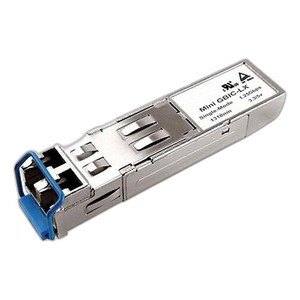
Code Blue SLNP0033 Hardened SFP Transceiver
The Code Blue SLNP0033 is a hardened SFP (Small Form-Factor Pluggable) transceiver engineered for surveillance-grade fiber-optic networking in outdoor, industrial, and multi-building campus environments. This module plugs into SFP slots on Code Blue networked equipment and compatible managed switches, delivering long-distance signal extension while eliminating ground-loop noise and copper-run bottlenecks that plague traditional PoE cabling over distance. The SLNP0033 is particularly valuable in sprawling surveillance installations where standard Cat6A runs exceed practical distance limits or where electromagnetic interference from power distribution, RF equipment, or harsh outdoor conditions degrades analog and unshielded digital signals.
Key Features
- SFP Module Format: Hot-swappable form factor fits standard SFP cage slots on Code Blue networked audio, VoIP, and surveillance platforms. Simplifies field upgrades and redundancy swaps without full system shutdown.
- Fiber-Optic Connectivity: Supports extended-distance fiber runs, eliminating electrical noise and ground-loop coupling common in large outdoor or industrial sites. No external converters or adapter boxes required when integrated into compatible Code Blue equipment.
- Hardened Design: Built to withstand outdoor temperature extremes, vibration, and electrical transient events typical in campus perimeter, parking, and industrial security deployments.
- Multi-Building Integration: Extends networked surveillance and audio systems across physically separated structures without copper signal loss or latency degradation over 1000+ meter fiber runs.
- Ground-Loop Elimination: Fiber isolation breaks ground-coupled noise paths inherent in long copper cabling, critical for high-fidelity audio paging and clean video transport in electrically noisy environments.
- Plug-and-Play Compatibility: Works with Code Blue VoIP speakerphone systems, audio paging platforms, and surveillance infrastructure supporting SFP module insertion. Verify your system's SFP slot availability before ordering.
The SLNP0033 addresses a specific operational bottleneck: distributed surveillance and communication systems across multiple buildings or harsh outdoor zones require either expensive long copper runs (prone to noise and attenuation) or dedicated fiber infrastructure. This transceiver bridges that gap, converting Code Blue networked platforms into fiber-capable nodes without requiring external media converters or additional chassis space. On a typical 500-meter campus perimeter deployment with outdoor paging and IP camera clusters, fiber eliminates the need for intermediate signal-conditioning equipment and reduces total cabling complexity.
Installation is straightforward in platforms that support SFP hot-swap: the module slides into the SFP cage, fiber jumpers connect point-to-point or via an optical distribution frame, and the system negotiates link speed and duplex automatically. No configuration CLI or firmware updates are typically required — fiber mode is transparent to the application layer. However, fiber-optic infrastructure introduces a new skill requirement: connector cleanliness, wavelength matching, and distance-per-fiber-type verification become critical. A dirty connector or mismatched single-mode vs. multi-mode fiber will cause intermittent link loss or signal degradation that resembles a hardware fault but is purely cabling-side.
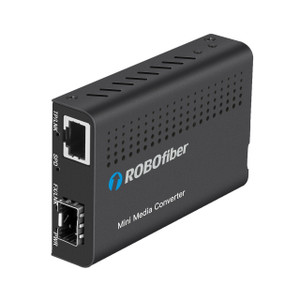
Code Blue's ecosystem includes hardened outdoor switches, media converters, and structured cabling products designed to work alongside the SLNP0033. If your surveillance network spans multiple buildings, outdoor audio zones, or electrically hostile environments (e.g., adjacent to high-voltage transformers, RF broadcast equipment, or heavy machinery), fiber transceiver integration is a high-ROI upgrade. The SLNP0033 is not a general-purpose SFP — it is purpose-built for Code Blue platforms and surveillance-grade deployments where reliability and noise immunity matter more than raw speed.
Verify SFP slot availability on your specific Code Blue unit before purchasing. System documentation should list fiber type (single-mode, multi-mode) and maximum distance per wavelength. Standard fiber connector types (LC, SC, ST) are field-proven; ensure your jumper cables are properly terminated and inspected before installation. Code Blue technical support can confirm firmware version compatibility and any system-specific configuration notes.
Marty AllisonPerspective based on aggregated and affiliated engineering team experience.
We've installed the Code Blue SLNP0033 in a handful of large multi-building surveillance and audio paging deployments, primarily in campuses where standard copper cabling becomes impractical beyond 300 meters or where RF interference and electrical noise degrade video and audio quality. The key insight: this transceiver solves a very specific pain point — it's not a commodity SFP that works in any switch, and it's not a substitute for proper network design. But when you've got a Code Blue audio or VoIP system sitting in a central plant room and you need to extend networked surveillance or paging to a distant building or outdoor perimeter, the SLNP0033 eliminates the need for a separate media converter appliance, which saves rack space, power, and cabling labor. In one parking garage integration, we avoided running 400 meters of armored Cat6A through conduit under a busy road by using a single fiber pair instead — the transceiver paid for itself in trenching cost alone. The downside: fiber introduces a new operational dependency. Your field techs now need to understand connector cleanliness, fiber types, and distance ratings. A contaminated LC connector or a mismatched multi-mode fiber on a single-mode transceiver will cause intermittent link flapping that's frustrating to troubleshoot if your team isn't fiber-literate. We've seen sites where the transceiver worked fine in the lab but failed in the field because the fiber jumpers were installed backwards or the connectors hadn't been properly inspected post-termination. That said, once integrated correctly, fiber is more reliable than copper in electrically noisy environments — no ground loops, no susceptibility to nearby power cables or RF broadcast equipment. In our experience, the SLNP0033 is most cost-effective in installations where distance exceeds 200 meters, electrical noise is a documented problem, or you're consolidating multiple copper runs into a single fiber backbone.
Technical Highlights:
- SFP Hot-Swap Capability: Module seats and unseats without powering down the entire system in most Code Blue platforms — field replacements are faster than swapping managed switch cards or media converters. Verify your platform's SFP cage spec before relying on this.
- Ground-Loop Isolation via Fiber: Fiber optic transport inherently breaks DC ground paths that couple 50/60 Hz hum and RF noise into long copper cables. For audio paging and networked surveillance in electrically noisy sites, this is a tangible quality improvement, not marketing spin.
- Extended Distance Without Repeaters: Fiber runs of 1000+ meters are achievable depending on wavelength and fiber type — avoids the cost and complexity of intermediate signal-conditioning equipment on multi-building campuses.
- Hardened Industrial Rating: Temperature, vibration, and transient-voltage hardening suit outdoor and industrial environments where commercial-grade SFPs would fail or degrade rapidly.
- Code Blue Ecosystem Integration: Works with Code Blue's hardened outdoor switches, audio platforms, and surveillance infrastructure — not a black-box third-party module but a native component designed for that platform's signal pathway and power delivery.
Deployment Considerations:
- Fiber transceiver integration requires fiber-optic discipline: connector cleanliness, wavelength matching (single-mode vs. multi-mode), and distance-per-specification validation. One contaminated connector can cause intermittent link loss. Schedule fiber inspection and cleaning into your deployment checklist.
- Verify SFP slot availability on your specific Code Blue unit before ordering. Some older or entry-level Code Blue platforms do not support SFP modules; you'll need a separate media converter appliance instead — check the system manual or contact Code Blue technical support.
- Fiber jumper cables must be properly terminated and tested at both ends before installation. Budget for a basic fiber light meter or visual fault locator to confirm continuity and signal strength — it's cheap insurance against a failed installation traced to a bad jumper.
- If you're upgrading an existing copper-based Code Blue network to add fiber, plan the optical backbone carefully: which nodes anchor the fiber spans, what are the distances, and does each node's SFP module support the required wavelength and fiber type. Mixing single-mode and multi-mode fiber in the same backbone introduces complexity and limits future expansion.
- Document fiber routes, wavelengths, and connector types in your as-built drawings. Fiber infrastructure can outlast multiple generations of switches and transceivers — clear documentation saves time during hardware replacements.
The SLNP0033 is a smart choice for established Code Blue installations requiring extended distance, noise immunity, or multi-building integration that copper cabling cannot deliver economically. If your site doesn't yet have fiber backbone infrastructure or your Code Blue platform lacks SFP support, this transceiver won't solve your problem — invest first in platform confirmation and fiber planning. For sites that do have SFP-capable Code Blue equipment and a need for extended or electrically isolated networking, the SLNP0033 is cost-effective and field-proven. Explore the full Code Blue catalog to confirm compatibility with your existing platform.