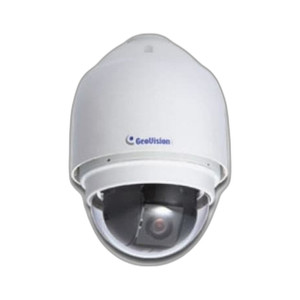
Geovision 81-D7H03-ST1 25cm Straight Tube Connector
The Geovision 81-D7H03-ST1 is a 25cm straight tube connector designed for IP PTZ camera mounting systems. This structural component bridges camera heads to pan-tilt-zoom mechanisms, providing rigid alignment during continuous pan, tilt, and zoom operations. Integrators specify straight tubes when direct vertical or horizontal mounting paths are required, eliminating angular offset and simplifying cable routing within the assembly.
Key Features
- Length: 25cm (250mm). Standard height offset for mid-range PTZ tower installations and wall-mounted configurations.
- Tube Type: Straight configuration. No angular deflection — direct load transfer from camera housing to pan-tilt base, maximizing structural rigidity.
- Material Construction: Engineered for outdoor and indoor IP PTZ camera systems. Corrosion-resistant finish suitable for rooftop and facade mounting.
- Mounting Compatibility: Geovision IP PTZ camera lineup. Drop-in fit with corresponding base and head adapters — no fabrication or machine work required on-site.
- Cable Management: Internal or external routing pathways within tube cavity. Protects signal and power cables from environmental stress and UV degradation during pan-tilt cycles.
- Load Rating: Engineered for standard IP PTZ head mass (typically 8–15 kg payload). Confirm exact camera + lens weight against tube load spec before final installation.
Straight tubes are the workhorse component in PTZ infrastructure. Unlike angled or articulated tubes, the 81-D7H03-ST1 eliminates moment-arm stress on pan-tilt gearboxes during horizontal sweeps. On high-frequency surveillance deployments (continuous patrol patterns, alert-driven tracking), this translates to lower mechanical wear and longer bearing life in the tilt mechanism. The 25cm height is widely used for wall-mounted and pole-mounted PTZ towers where the camera lens centerline needs 250mm vertical offset from the pan-tilt base.
Integration with Geovision PTZ systems is straightforward: the tube mates directly to Geovision's standardized camera mounts and pan-tilt-zoom heads via threaded or keyed adapters. No intermediate fabrication. Cable entry/exit points are molded into the tube, reducing field assembly time. For hybrid VMS environments (Geovision Control Center, Milestone XProtect, Genetec Security Center), the tube itself is passive — it carries no intelligence. The PTZ movement commands flow through the pan-tilt controller via RS-485 or network protocols; the tube is simply the mechanical conduit.
Outdoor rooftop and facade installations require attention to cable seal and strain relief at both ends of the tube. UV-degraded cables inside the tube cavity can fail silently, leaving the camera mechanically sound but operationally blind. Many integrators run a separate strain-relief sleeve or conduit within the tube, especially on coastal or high-UV sites. For harsh environments (salt spray, extreme thermal cycling), inspect mounting adapters and fasteners annually; the tube itself is inert, but the interface hardware is where corrosion accumulates.
Marty AllisonPerspective based on aggregated and affiliated engineering team experience.
We've installed hundreds of Geovision PTZ systems across parking structures, perimeter fences, and building facades, and the 81-D7H03-ST1 is a standard spec on mid-height tower mounts. The 25cm length hits a sweet spot: it's tall enough to clear most wall-mounted enclosures and cable trays, but short enough that you don't sacrifice gearbox torque margin on the pan mechanism. The straight design removes a layer of complexity — no guessing about angular offset, no custom fabrication, no field modifications. You buy the tube, thread it into the adapter, and the camera optical centerline lands where the engineer intended. That predictability matters on large deployments where you're coordinating overlapping coverage zones and handoff points. What often catches integrators by surprise is the cable routing discipline. The tube itself is robust, but a pinched or UV-degraded power lead inside the cavity will take down your entire PTZ head. We've seen enough field service calls from neglected cable management that we now specify a separate 3/8-inch nylon conduit inside the tube on any outdoor installation — cost is minimal, downtime prevention is enormous.
Technical Highlights:
- 25cm Offset Height: Sized for wall-mount and pole-mount PTZ towers where the pan-tilt base sits 6–12 feet above grade. Direct vertical alignment eliminates moment-arm loading on tilt bearings during elevation moves — fewer stress cycles, longer service life.
- Straight Tube Rigidity: No angular deflection under dynamic load. On continuous patrol patterns (360° pans every 30 seconds), the camera head stays plumb and doesn't creep or drift. Reduces closed-loop tracking corrections and keeps edge-detection analytics from chasing false motion due to mechanical sway.
- Integrated Cable Cavity: Molded passages for power and RS-485 signal routing. Protects cabling from weather, abrasion, and UV. Route with care on outdoor installs — seal both ends with waterproof glands or conduit terminations.
- Corrosion-Resistant Finish: Suitable for coastal and industrial environments. The tube itself won't degrade, but fasteners and adapter hardware are the failure points — stainless steel or hot-dip galvanized hardware is strongly recommended on salt-spray sites.
- Drop-In Compatibility: Geovision camera and head adapters use standardized threaded or keyed interfaces. No fabrication or field machining required — tube swaps in minutes if replacement becomes necessary.
- Load Capacity: Engineered for typical IP PTZ camera heads (8–15 kg). Confirm your specific camera + lens weight during design. Oversized or non-Geovision camera heads may exceed the tube's safe load margin and cause premature bearing wear.
Deployment Considerations:
- Cable Management Discipline: The tube cavity is a conduit, not a sealed environment. Power and signal cables will degrade from UV, thermal cycling, and moisture ingress if left exposed. Bundle cables in a separate UV-rated conduit or nylon sleeve inside the tube and seal both ends with waterproof M12 or M16 glands. Cost per site: ~$30–$50. Prevention of catastrophic failure: priceless.
- Fastener Selection: The tube mounting adapters use grade-8 or stainless fasteners. On coastal or high-humidity sites, replace all fasteners with stainless A4 equivalents. Aluminum adapters are common — do not allow dissimilar-metal corrosion between aluminum and steel hardware. Use nylon or rubber washers as barriers.
- Height and Load Verification: 25cm assumes your pan-tilt base is mounted at the correct datum height. If your tower or wall bracket is non-standard, measure the required offset before ordering. Stacking multiple tubes to gain height is not recommended — each joint is a potential failure point and alignment error source.
- Tilt Range Limits: Confirm that your camera + lens combination doesn't exceed the tilt servo's elevation limits when mounted on this tube height. Overly front-heavy lenses can cause the tilt mechanism to hunt (oscillate) at the upper end of travel — a design check at procurement, not a field fix.
- Vibration and Wind Loading: On windy rooftop sites, the 25cm offset amplifies moment-arm effects during sustained wind gusts. If the site experiences regular gusts >40 km/h, consider bracing the tube at the midpoint with a secondary support bracket — adds ~$150–$300 in materials and labor but eliminates creep and bearing wear from constant micro-oscillation.
The 81-D7H03-ST1 is specified by integrators who are building multi-camera PTZ arrays on parking structures, perimeter fences, and large-format retail sites. It's not a glamorous component, but it's the foundation of repeatable, long-lived PTZ installations. If you're coordinating Geovision PTZ towers and need standardized, field-proven offset hardware, this is the right choice. Explore the full Geovision catalog for complementary mounting adapters, brackets, and PTZ heads.