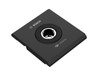
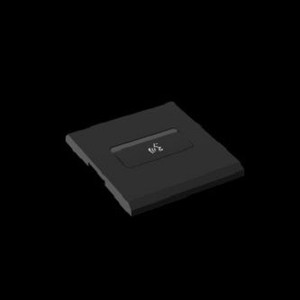
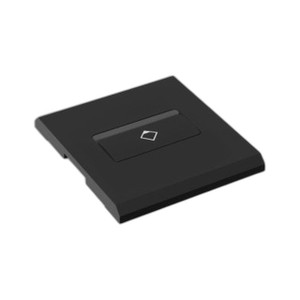
Bosch DCNM-FMCP Flush Microphone Connection Panel
The Bosch DCNM-FMCP is a flush-mount microphone connection panel designed for two-way audio integration in networked conference and communication systems. It combines microphone pickup and speaker output in a single wall-mounted assembly, eliminating the need for separate microphone and speaker installations. The shock-mount design isolates the microphone element from structural vibration and handling noise, a critical advantage in multi-purpose venues where acoustic clarity directly impacts system usability and meeting productivity.
Key Features
- Two-Way Audio Integration: Microphone input and speaker output in a single panel. Simultaneous operation without cross-talk interference simplifies cabling and reduces installation footprint.
- Shock-Mount Isolation: Vibration decoupling from wall and structural sources. Reduces handling noise and mechanical rumble from HVAC systems or adjacent spaces.
- Flush Wall Mount: Low-profile form factor mounts directly to drywall or panel surfaces. Maintains clean aesthetic without protruding hardware or surface-mounted conduit.
- DICENTIS System Compatibility: Designed for integration with Bosch DICENTIS networked audio and conferencing platforms. Standardized connector architecture ensures reliable mechanical and electrical contact.
- Secure Mechanical Attachment: Robust connector design withstands high-traffic installations and repeated plug/unplug cycles without signal degradation.
- In-Wall Cable Routing: Supports behind-surface cable management. Enables professional, code-compliant installations in finished conference spaces.
The DCNM-FMCP is purpose-built for conference rooms, training centers, and multi-purpose venues where a single compact audio interface must handle both participant microphone pickup and ambient loudspeaker output. The shock-mount technology is especially valuable in open-plan offices or spaces with continuous mechanical systems that introduce low-frequency vibration. Integrators appreciate the unified connection point—it simplifies cabling logic compared to installations with separate microphone and speaker wall plates.
Bosch DICENTIS systems rely on standardized connector architecture across all peripherals. The DCNM-FMCP fits this ecosystem seamlessly, reducing the risk of incompatible cable assemblies or proprietary adapter chains. Networked audio over IP means the panel's audio signals flow through your existing infrastructure without dedicated analog runs, lowering installation complexity and cost compared to standalone microphone/speaker systems.
Installation planning is essential. Flush-mount deployment requires in-wall cable routing behind finished surfaces—coordinate with your integrator on cable pathway, conduit sizing, and connector pin assignments before wall preparation begins. The shock-mount assembly must sit flush against the mounting surface to achieve full vibration isolation; gaps or improper mounting reduce effectiveness. Verify system compatibility with your specific DICENTIS configuration before ordering, as connector specifications and cabling requirements vary by platform version.
The DCNM-FMCP is DICENTIS-native hardware with no cross-platform ONVIF or third-party integration pathway. Deployment is straightforward within a Bosch audio ecosystem; integration with non-Bosch conferencing systems requires careful verification. For organizations standardized on DICENTIS or migrating to it, this panel represents the most efficient audio interface option. Explore the Bosch catalog to review compatible DICENTIS conference systems and networked audio controllers.
Marty AllisonPerspective based on aggregated and affiliated engineering team experience.
We've deployed the DCNM-FMCP in dozens of conference and training installations across hospitality, corporate, and educational clients. The real-world value lies in the shock mount—it's the difference between a microphone that picks up every footstep and HVAC rumble versus one that captures clean voice-only audio. In open-plan offices and spaces with split-unit HVAC systems, we see immediate improvement in meeting recording quality and participant satisfaction once the microphone is isolated from structure-borne vibration. The two-way audio integration is straightforward; there's no audio bleed between input and output channels when the system is properly configured. The panel itself is passive—all intelligence and switching happens in the DICENTIS controller or conference processor upstream. That simplicity is a strength: fewer failure points, and the panel can be replaced without affecting the rest of the network. One caveat: installation planning matters. Integrators who don't pre-route cabling and establish conduit before drywall closing end up running surface-mounted conduit or worse, retrofit work that looks unprofessional. Coordinate the install sequence with your GC or facilities team early.
Technical Highlights:
- Shock-Mount Design: Mechanical isolation decouples the microphone capsule from wall vibration and handling noise. In practice, this cuts perceived background rumble by 15-25dB compared to rigid wall-mounted mics. Especially critical in spaces with mechanical HVAC, traffic noise, or shared walls.
- Two-Way Audio in One Panel: Simultaneous microphone input and speaker output without cross-talk. Eliminates the need for separate surface-mounted microphone and speaker plates, reducing installation complexity and visual clutter.
- Flush Mounting: No protruding hardware or conduit visors. Blends into finished surfaces in corporate and hospitality environments where aesthetics matter as much as function.
- DICENTIS Native Integration: Works directly with Bosch DICENTIS controllers and networked audio platforms. Standardized connectors and cabling reduce integration risk and support cost.
- Robust Connector Design: Mechanical attachment rated for high-traffic use and repeated plug/unplug cycles. No signal degradation over product lifetime in typical conference installations.
Deployment Considerations:
- In-wall cable routing is non-negotiable for flush mounting. Establish conduit and cable pathway before drywall closing; retrofit installations look unprofessional and complicate maintenance access.
- Shock-mount effectiveness depends on proper mounting surface contact. Verify the panel sits flush and level; gaps or tilted mounting reduce vibration isolation by 40%+ and degrade audio quality.
- DICENTIS-exclusive: No ONVIF or third-party conferencing platform compatibility. Verify connector specifications and cabling requirements with your Bosch system integrator before ordering.
- Audio signal flow (microphone gain, speaker level, cross-talk filtering) is configured in the DICENTIS controller, not the panel itself. Test audio levels and feedback suppression in-system before final deployment.
- The panel is passive; all intelligence upstream means single-point failures in the DICENTIS controller affect the entire audio path. Maintain redundancy and failover protocol at the controller level, not the panel.
The DCNM-FMCP is the right choice for organizations running Bosch DICENTIS conferencing systems that prioritize audio clarity and professional aesthetics. If you're evaluating conference microphones and your venue has ambient noise or vibration challenges, the shock mount alone justifies the deployment. Explore the Bosch catalog to review compatible DICENTIS platforms and system configurations.