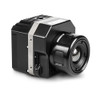
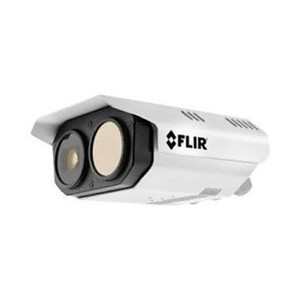
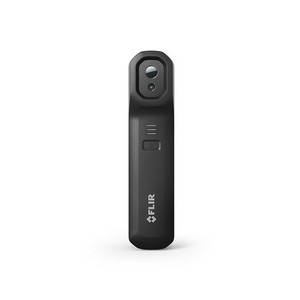
FLIR 427-0300-10-00 DX-350 4.3mm Network Security Camera
The FLIR DX-350 addresses the challenge of securing mid-range surveillance areas where detail recognition matters but lighting conditions vary throughout the day. With its 4.3mm fixed lens, this network camera delivers a practical field of view for monitoring building perimeters, parking areas, and facility access points where you need reliable identification at 30-50 feet. FLIR's thermal imaging heritage translates into superior low-light performance in their conventional security camera lines, making the DX-350 suitable for installations where ambient lighting is inconsistent or minimal.
Key Features
- 4.3mm fixed lens provides balanced coverage for perimeter and mid-range monitoring applications
- Network connectivity enables integration with existing IP video management systems and NVR platforms
- FLIR imaging technology delivers enhanced low-light performance for challenging lighting conditions
- Suitable for both indoor and outdoor installations with appropriate housing considerations
- Compact form factor simplifies mounting in space-constrained locations
- Standard network protocols ensure compatibility with third-party VMS platforms
The 4.3mm lens configuration makes the DX-350 particularly effective for installations requiring facial recognition quality at building entrances or detailed vehicle monitoring in parking facilities. The fixed focal length eliminates the complexity and potential failure points of motorized zoom mechanisms while providing predictable coverage planning during site surveys. This camera integrates into multi-vendor systems where ONVIF compatibility or standard RTSP streams are deployment requirements.
Deploy the DX-350 where you need dependable network video without overprovisioning resolution or features that inflate total cost of ownership. The camera's network architecture supports centralized management and firmware updates, reducing truck rolls for routine maintenance. FLIR's focus on imaging quality ensures your recordings maintain evidential value even when environmental conditions challenge lesser camera systems.