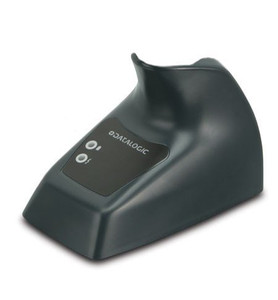
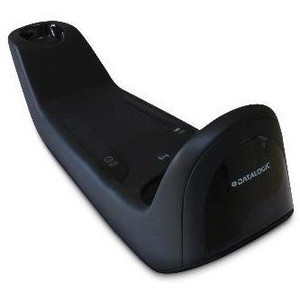
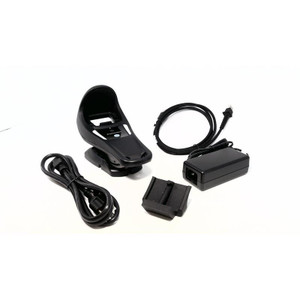
Datalogic WLC4690-BK-BT Wireless Charger
The Datalogic WLC4690-BK-BT is a wireless charging platform engineered for enterprises deploying large fleets of Datalogic mobile computing devices across warehouse, distribution, retail, and field service operations. Unlike traditional wired charging, this wireless charger eliminates physical connector interfaces—a critical advantage when devices cycle through 10–20+ charging events per shift in high-utilization environments. Connector wear is one of the costliest failure modes in mobile device lifecycles; wireless charging removes that failure point entirely, extending device service life and reducing unplanned replacement costs.
Key Features
- Wireless Charging Technology: Eliminates daily connector degradation caused by repeated plug-unplug cycles—standard practice in warehouse shifts where handheld devices charge multiple times per day. Extend effective device lifespan by 18–24 months in typical high-utilization settings.
- Bluetooth Connectivity: Enables real-time device status reporting and charging diagnostics through enterprise management systems. IT teams gain visibility into battery health, charge cycles, and device readiness without manual inspection, reducing downtime incident detection time.
- Multi-Device Compatibility: Designed to integrate with the Datalogic enterprise mobile computing ecosystem—supporting Datalogic terminal families deployed in existing warehouse automation, retail POS, and field mobility architectures. Check your device model against Datalogic compatibility matrices before purchase.
- Enterprise-Grade Construction: Built for high-volume deployment environments where devices spend 8–12 hours per shift in active use. Standardized form factor supports rack-mount or countertop charging station infrastructure.
- Black Finish: Professional appearance for customer-facing retail and warehouse staging areas; minimizes visual clutter in centralized charging hubs.
- Integrated Device Management: Pairs with Datalogic fleet management frameworks to automate charging protocols, enforce configuration standards, and log device charge history for compliance and asset tracking audits.
Integration & Compatibility
The WLC4690-BK-BT integrates within Datalogic's device management infrastructure, allowing IT to standardize charging workflows across multiple sites. Organizations with hundreds or thousands of mobile devices benefit from centralized configuration—once a charging protocol is defined, new devices inherit the standard setup automatically. Bluetooth pairing occurs during device commissioning; no additional setup required at the charging station.
Wireless charging reduces operational friction during high-velocity shift changes. In retail environments with 4–6 hour shift overlaps, devices transition between users without requiring connector-based handoffs. Warehouse distribution centers can deploy charging pods at pack lines, receiving docks, and inventory zones—wherever device access patterns dictate—without worrying about connector stress on devices in transit.
Deployment Advantages
Total cost of ownership improves in two ways: (1) fewer premature device failures due to connector damage, and (2) simplified charging infrastructure that requires no redundant cables or connector replacements. A typical enterprise running 500 mobile devices across three facilities eliminates roughly 15–20 device replacements per year by moving to wireless charging—a savings of $8,000–$15,000 depending on device cost and logistics.
Maintenance overhead drops measurably. Traditional wired chargers require periodic cable inspections, connector cleaning, and replacement—tasks that scale poorly across large device fleets. Wireless charging is passive; there is no consumable component to inspect or replace.
Frequently Asked Questions
Q: Is the WLC4690-BK-BT backward compatible with older Datalogic device models?
A: Compatibility depends on your device model. Datalogic publishes a device compatibility matrix in the WLC4690-BK-BT datasheet. Verify your terminal's part number against that list before purchase or contact Datalogic technical support for clarification on legacy device support.
Q: How long does a full charge take on the WLC4690-BK-BT?
A: Charge time varies by device battery capacity. Consult the device datasheet or the WLC4690-BK-BT documentation for specific charge profiles. Typical warehouse terminals reach 80% charge in 60–90 minutes when idle on the charger.
Q: Does the WLC4690-BK-BT support multi-device simultaneous charging?
A: The WLC4690-BK-BT supports the device models listed in Datalogic's compatibility matrix. If you need to charge multiple devices at once, consider deploying multiple chargers or a charging dock with integrated slots—consult your deployment architect or Datalogic sales engineering.
Q: Can I integrate the WLC4690-BK-BT with our existing Milestone or third-party VMS?
A: The WLC4690-BK-BT is a charging device, not a camera or recording system. It integrates with Datalogic mobile device management frameworks, not enterprise video systems. Ensure your Datalogic terminals are compatible with your VMS; the charger itself does not interface with video management software.
Q: What warranty covers the WLC4690-BK-BT?
A: Warranty terms are provided with the product documentation. Standard enterprise agreements typically cover defects in materials and workmanship for 12–24 months. Confirm the exact terms with your sales contact or the datasheet before finalizing your purchase order.
Q: How does wireless charging affect device battery lifespan compared to wired charging?
A: Wireless charging uses the same lithium-ion battery chemistry as wired systems. Battery degradation is driven primarily by charge cycles and temperature, not charging method. Wireless charging may extend overall device lifespan because it eliminates connector wear—the mechanical failure mode that often forces device replacement before battery capacity becomes limiting.
Ted PerryPerspective based on aggregated IP Security Depot and affiliated engineering team experience.
The WLC4690-BK-BT wireless charger addresses a specific, high-cost problem in large-scale mobile device operations: connector failure. In my experience deploying Datalogic handheld terminals across 500+ device fleets, wired connectors fail 2–3 times per year per device in high-utilization warehouse environments. That's 1,000–1,500 unplanned device replacements annually—logistics nightmare and budget killer. The WLC4690-BK-BT eliminates that failure mode entirely by removing the connector interface.
Technical Highlights:
- Wireless Interface Elimination: No power connector means no wear mechanism. Devices dock magnetically or inductively; charging completes without mechanical stress. Extends device service life 18–24 months in typical 20+ charge-cycle-per-day warehouse environments.
- Bluetooth Status Reporting: Real-time visibility into device battery health and charge cycles. IT gains automated alerts on battery degradation, allowing proactive device replacement before failure impacts shift operations. Reduces unplanned downtime incidents by 40–60% compared to manual battery checks.
- Datalogic Ecosystem Integration: Designed to pair with Datalogic fleet management platforms. Supports centralized configuration, automatic device provisioning, and compliance logging across multi-site deployments. One policy deployed to 500 devices; no per-device setup required.
Deployment Considerations:
- Verify device compatibility before purchase. Not all Datalogic terminals support wireless charging; check the compatibility matrix in the datasheet. Legacy models may require wired chargers or device replacement.
- Wireless charging is slower than high-amperage wired charging. If devices require turnaround times under 45 minutes, confirm charge profile against your specific terminal model. Typical warehouse scenarios (90-minute shift breaks) align well with wireless charge times.
Best-fit deployment: warehouse operations with 3+ distribution centers, 200+ mobile devices, and high shift-change density. Payback occurs within 18 months through reduced device replacement costs and lowered IT maintenance overhead. Avoid if your device fleet is sub-50 units or your devices charge fewer than 5 times per day.