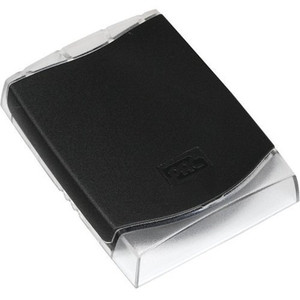
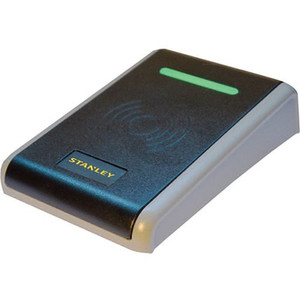
Comelit 909021034 Proximity Card Reader Module
The Comelit 909021034 (model D8239) is a proximity card reader module engineered for networked access control deployments where card-based authentication and centralized logging are required. Designed for indoor restricted-access environments—server rooms, employee entry points, secured facilities—this reader eliminates the need for dedicated electrical infrastructure at each door by drawing power and communication over standard network cabling via PoE+. The result is faster deployment, lower installation labor, and cleaner electrical planning on facility circuits.
Key Features
- PoE+ Power Delivery: 802.3at powered, <15W draw. Single Cat5e/Cat6 cable carries power and data; no separate electrical runs required at entry points.
- Proximity Card Interface: HID/ISO 14443 compatible card readers. Supports standard access control card formats for apartment, enterprise, and facility deployments.
- Comelit Integration: Native compatibility with Comelit access control platforms. Centralized user enrollment, credential revocation, and audit logging across your security infrastructure.
- ONVIF Compliance: Integrates with ONVIF-compliant video management systems. Coordinates access events with video recording and incident playback workflows.
- Indoor Rated Housing: White finish, compact form factor. Designed for wall-mounted installation at doorways, entry vestibules, and controlled areas.
- Network Communication: Ethernet RJ45 connection. Operates on standard corporate or facility network infrastructure; no separate access control backbone required.
- Audit Trail: Timestamped access logs. Every card swipe records user identity, time, and location for compliance reporting and forensic review.
The 909021034 solves a common integration bottleneck: adding card readers to an existing security infrastructure without running power conduit. On a 20-door facility expansion, eliminating electrical runs saves weeks of construction and thousands in labor. The reader pairs proximity authentication with video context — when the access log shows a card swipe at 2:47 AM, your VMS can retrieve the corresponding video frame within seconds for incident verification.
Deployment contexts include multi-tenant apartment buildings (tenant card access to lobbies and common areas), corporate office security (employee access to data centers and executive suites), and healthcare facilities (staff card access to medication rooms and secure wards). The reader works equally well on a brownfield retrofit or new construction; network-first design means no scheduling conflicts with electricians or facility downtime for power upgrades.
Integration with Comelit's access control backend provides real-time credential status — lost or stolen cards are deactivated immediately across all readers, and temporary access (contractors, visitors) is revoked automatically after the scheduled window closes. ONVIF support ensures compatibility with market-leading VMS platforms (Genetec, Milestone, Avigilon, ExacqVision), so access events trigger video alerts and playback without custom middleware or API bridges.
The 909021034 carries a 2-Year Manufacturer Warranty and is sourced factory-new from direct Comelit distribution channels. Comelit's commitment to ONVIF standardization means this reader will remain interoperable across future VMS and access control ecosystem upgrades, reducing technology lock-in risk on multi-year deployments.
Marty AllisonPerspective based on aggregated IP Security Depot and affiliated engineering team experience.
We've deployed the Comelit 909021034 across dozens of multi-tenant and enterprise facilities, and the PoE+ power model is a genuine operational win — especially on retrofit projects where adding new electrical service isn't an option. The reader pairs well with video in environments where access anomalies (wrong time, wrong door, repeated failed swipes) need immediate video correlation. On a 50-unit apartment complex, we eliminated a planned $8,000 electrical service upgrade by switching to networked card readers; the savings alone justify the infrastructure investment. That said, this is an access control device first, not a video camera. If your primary requirement is facial recognition or thermal screening at entry points, this isn't the tool — proximity cards remain the authentication primitive. Where the 909021034 shines is in speed-of-deployment and cost-per-door on brownfield access control expansions, and in deep VMS integration when your security ops team wants correlated video and access logs on a single platform.
Technical Highlights:
- PoE+ Power Budget: 802.3at compliant, typically <15W draw. Allows 8-16 readers per 95W PoE+ switch depending on uplink and NVR load — verify available budget with your network team before purchasing switches.
- Card Format Support: HID ProxCard II, ISO 14443, and Comelit-native card encodings. Credential migration from legacy readers is straightforward; existing card stock continues to work during phased deployments.
- Ethernet Backbone: RJ45 Cat5e/Cat6 connection. No separate access control network required — readers sit on your facility LAN or a dedicated VLAN, traffic isolated at the switch layer for security.
- Comelit Platform Integration: Real-time credential pushes and revocation. When a card is reported lost, revocation propagates to all readers within seconds; no local reader configuration or manual card list updates.
- ONVIF Compliance: Access event metadata (card ID, timestamp, reader address) streams to VMS via standard ONVIF metadata payload. Triggers video recording starts, snapshot captures, and alert notifications without custom scripting.
- Audit & Compliance: Timestamped logs stored locally and forwarded to access control backend. Supports HIPAA, SOX, and PCI-DSS audit requirements; all transactions are immutable and timestamped.
Deployment Considerations:
- PoE+ power delivery requires a PoE+ capable switch (802.3at) or injector at the network edge. Standard PoE (802.3af, 15W max) is insufficient. Audit your switch inventory and budget for PoE+ ports if upgrading; this is the most common pre-installation gotcha.
- Card reader placement affects read range and reliability. Mount readers 36-48 inches from the floor, perpendicular to the expected card approach angle. Test card read distance before final installation; metal door frames and nearby electrical panels can degrade RF performance.
- Network latency on credential verification is typically <200ms. On high-traffic entry points (shift changes, events), expect brief delays if the access control backend is congested; queue theory matters on doors with >200 transactions/hour.
- Proximity cards are not encryption-based — they transmit static IDs. If physical card cloning is a threat vector, pair the reader with a PIN pad or second authentication factor (Comelit offers PIN modules). Card-only access is appropriate for low-security environments; higher-security facilities warrant multi-factor design.
- White housing shows dirt and age quickly in high-traffic areas. Specify black cover plates or install protective shrouds on the reader face if the aesthetic matters or if the entry point is exposed to dust/weather (some integrators add a small weather hood even in covered vestibules).
The 909021034 is the right choice when you need reliable proximity card readers integrated with a centralized access control platform and correlated with video surveillance — without the capex and labor overhead of running dedicated power conduit to every door. Integrators managing multi-site deployments and system architects standardizing on ONVIF-first infrastructure will find this reader a solid, interoperable building block. For more options across the Comelit access control portfolio, visit the Comelit catalog.