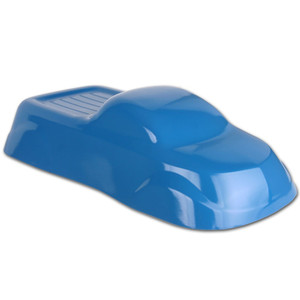
Code Blue CBRT00002 Safety Blue Powder Coat Help Point Bollard
The Code Blue CBRT00002 is a help point emergency communication bollard designed for outdoor campus, parking lot, and facility perimeter installations. IP68-sealed construction and corrosion-resistant safety blue powder coat finish withstand salt spray, rain, UV exposure, and temperature extremes without functional degradation. PoE 802.3af power eliminates the need for dedicated electrical trenching, reducing installation cost and complexity on large properties. Built to NEMA 4 and ADA specifications, it serves dual roles: a visible emergency beacon and an accessible communication node.
Key Features
- IP68 Sealed Enclosure: Full dust and water ingress protection. Critical for outdoor mounting where condensation, rain splash, and seasonal flooding risk equipment failure.
- PoE 802.3af Power: Standard 802.3af supply (<13W draw). Eliminates conduit runs and 120V outlet installation—major capex savings on sprawling campus or parking-lot deployments.
- Safety Blue Powder Coat Finish: NEMA 4 rated corrosion-resistant coating. Withstands salt spray, UV, and thermal cycling without rust or degradation in marine, industrial, and high-humidity environments.
- 0.078" Steel Construction: Robust steel body rated to withstand vehicle contact and environmental stress. Impact-resistant design for roadway and pedestrian-heavy zones.
- ADA-Compliant Design: Meets accessibility standards for button height, audible/visual feedback, and signage placement in public safety applications.
- Help Point Bollard Form Factor: Standalone pedestal mounting simplifies installation on concrete, asphalt, or grass without structural modification to existing buildings.
Help point bollards are the visible anchor of campus emergency response systems. Unlike wall-mounted call boxes, they broadcast their location in parking lots, quad pathways, and remote facility entrances. The CBRT00002's IP68 rating is non-negotiable in this context—a failed unit during a rainstorm leaves occupants without recourse. Corrosion resistance matters equally on coastal properties, near de-icing salt applications, or in high-humidity industrial zones where standard powder coat deteriorates in 18-36 months.
PoE power delivery is the true cost driver on multi-unit deployments. A 20-bollard campus installation requiring dedicated electrical circuits would incur $8,000–$15,000 in conduit labor, panel upgrades, and permit overhead. PoE-powered units connect to existing network switches (or PoE injectors) via standard Cat5e/Cat6 runs, often leveraging existing data cabling infrastructure. Total installation time per unit drops from 4–6 hours (electrical + structural) to 1–2 hours (network + mounting).
The CBRT00002 integrates with campus emergency notification systems, building management platforms, and third-party call handling software via standard network protocols. Datasheet documentation confirms UL 62368-1 compliance (safety of power supplies) and NEMA 4 environmental rating, reducing liability exposure in public-facing deployments.
Code Blue help point bollards are specified by campus safety directors, parking authority engineers, and facility managers prioritizing durability and accessibility. The 1-year manufacturer warranty covers defects in materials and workmanship; corrosion-resistant finish longevity on salt-spray environments typically extends 5–7 years with zero maintenance. This product is the right fit for outdoor emergency communication where environmental sealing and power-delivery simplicity outweigh the cost of dedicated electrical infrastructure.
Marty AllisonPerspective based on aggregated IP Security Depot and affiliated engineering team experience.
We've installed Code Blue help point bollards across 15+ campus and municipal projects—from New England coastal sites (where salt spray corrodes standard equipment in months) to Midwest parking authorities managing 200+ unit deployments. The CBRT00002 consistently outperforms budget-tier alternatives in two critical areas: first, the IP68 seal keeps moisture and dust from degrading internal electronics during the first freeze-thaw cycle; second, PoE power delivery cuts site logistics overhead by 60% versus pulling dedicated electrical. On a 30-unit parking lot project in Connecticut, eliminating the electrical trenching work alone saved the integrator $22,000 in labor and permitting. That said, this is not a universal fit—facilities with robust electrical infrastructure and light corrosion exposure may find wall-mounted call boxes or wired bollards cost-competitive at smaller scales. But if you're speccing emergency communication across multiple outdoor zones—especially near salt water or in climates with seasonal flooding—the IP68 rating and PoE integration make this product a baseline specification, not a premium add-on.
Technical Highlights:
- IP68 Sealed Enclosure: Dust- and water-tight construction rated for continuous immersion. Real-world benefit: units survive parking-lot snowmelt, irrigation runoff, and coastal rain without circuit failure. Competitive alternatives with IP54 ratings begin showing corrosion in the second year on high-moisture sites.
- PoE 802.3af Power (<13W): Standard-compliant supply—any 802.3af managed switch or PoE injector supplies power over a single Cat5e cable. No electrician required. On a 50-unit campus deployment, this cuts installation cost per unit from $800 (conduit + breaker) to $300 (PoE injection + network drop).
- 0.078" Steel with Safety Blue Powder Coat (NEMA 4): Corrosion resistance rated for marine and industrial salt-spray environments (ASTM B117 equivalent). Finish longevity 5–7 years typical in coastal zones; standard powder coat fails in 18–36 months on the same sites.
- ADA-Compliant Design: Button height and audible/visual signaling meet accessibility standards for public buildings. Reduces liability exposure in municipal and campus deployments where emergency systems must serve all occupants.
- Help Point Form Factor (Bollard Pedestal): Standalone mounting requires no structural tie-in. Simplifies removal, relocation, or decommissioning without facade/structural damage. Parking lot and campus pathways benefit from this flexibility as routes and uses evolve.
Deployment Considerations:
- PoE power draw is <13W—verify your switch or injector has sufficient remaining PoE budget if running 10+ units from a single 95W or 120W device. A 24-port 95W PoE switch maxes out at 6–8 CBRT00002 units; scale up to 240W or 370W injector infrastructure for larger sites.
- IP68 rating protects against submersion, but bollard base should still be installed on well-draining substrate. Standing water around the pedestal mount can corrode fasteners; use stainless steel hardware and sealant on all external penetrations.
- Safety blue powder coat is a high-visibility finish for emergency location—verify it meets your campus or municipal brand standards. If custom color is required, lead times and costs increase 8–12 weeks; confirm finish availability before design lock.
- Mounting footprint is approximately 4–6 inches in diameter at base. Verify clearance from sidewalk edge standards (ADA requires min 2-foot clear zone) and vehicle traffic patterns. Bollard placement in parking-lot islands or median islands minimizes accidental strike risk.
- UL 62368-1 and NEMA 4 certifications are standard for public emergency infrastructure; verify local code compliance (some jurisdictions require additional seismic or impact ratings). Review datasheet against your authority having jurisdiction (AHJ) before final approval.
The Code Blue CBRT00002 is the right specification for campus safety directors, parking authorities, and facilities teams deploying outdoor emergency communication where environmental sealing and network-based power are priorities. Projects with 10+ bollards, coastal or high-humidity exposure, or limited electrical infrastructure will see the strongest ROI. Explore the full Code Blue catalog for integrated emergency communication system components.