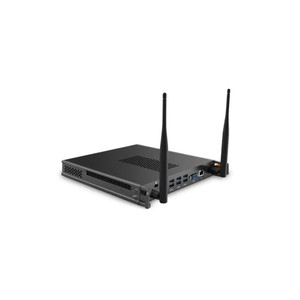
ACTi CTI-CFOPS-CF23-SMC+TAF Clear Touch OPS Chrome Flex Module
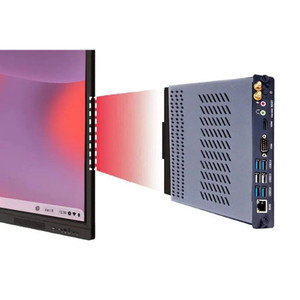
When deploying interactive display solutions that require seamless integration between commercial-grade touch panels and centralized management systems, standardized compute modules eliminate compatibility headaches and reduce installation time. The ACTi CTI-CFOPS-CF23-SMC+TAF delivers OPS (Open Pluggable Specification) compatibility for Clear Touch interactive displays, providing a standardized interface that streamlines deployments in corporate conference rooms, educational facilities, and security operations centers where video management and collaboration tools must operate on a single display platform.
Key Features
- OPS-compliant form factor ensures plug-and-play compatibility with Clear Touch Chrome Flex interactive displays
- Chrome Flex operating system optimized for cloud-based applications and web-centric workflows
- Standardized module design allows field upgrades without replacing entire display units
- Eliminates external PC clutter by integrating compute directly into the display chassis
- Reduces cable management complexity in rack and wall-mounted installations
- Compatible with ACTi's video management ecosystem for integrated surveillance viewing
- Supports centralized device management and remote configuration capabilities
- Designed for commercial-grade duty cycles in 24/7 operational environments
The OPS standard has become critical for integrators managing large-scale interactive display deployments. Rather than specifying separate computers, mounting hardware, and cable runs for each display location, this module slots directly into compatible Clear Touch panels. For security applications, this architecture means VMS clients, access control interfaces, and situational awareness dashboards run on dedicated hardware within the display itself, freeing up rack space and simplifying power distribution. In multi-site deployments, the standardized format ensures consistent performance characteristics across all locations.
Chrome Flex's web-first architecture aligns well with modern SaaS-based VMS platforms and cloud-connected building management systems. The module handles browser-based interfaces without requiring Windows licensing or traditional endpoint management overhead. For integrators maintaining deployments across multiple facilities, this reduces the support burden associated with OS updates, security patches, and application compatibility issues that typically complicate traditional PC-based display systems.