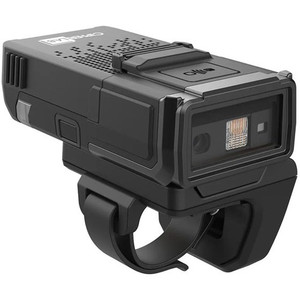
CipherLab AWR30AHMGLS01 WR30 Left-Hand Wearable Scanner Glove
The CipherLab AWR30AHMGLS01 is a left-hand wearable scanner glove designed for hands-free barcode capture during warehouse picking, inventory verification, and light manufacturing operations. Unlike handheld scanners that occupy one hand and slow cycle time, this glove-mounted device lets workers capture barcodes while simultaneously handling materials. The small form factor and 0.25 lb weight distribute scanning hardware across the back of the hand, keeping the palm and fingers free for material manipulation—a critical ergonomic advantage in high-velocity pick-to-light or voice-directed workflows.
Key Features
- Hands-Free Wearable Mount: Integrated glove attachment points position the scanner on the back of the hand. Workers scan barcodes without setting down materials or switching tools between hands.
- Left-Hand Configuration: Purpose-built for left-hand operation, eliminating the ergonomic strain of forcing right-handed hardware onto left-handed workers or vice versa.
- Small Size: Tailored to fit smaller hands (XS/S glove sizes). Verify fit against workforce hand dimensions—undersizing reduces scanning speed and causes midshift fatigue.
- Wireless Connectivity: Integrates with standard warehouse management systems (WMS), mobile computing platforms, and RF terminals via wireless link. No tethered cable to snag on racking or slow worker movement.
- Lightweight (0.25 lb): Minimal weight load on hand and wrist during full-shift operation. Reduces repetitive strain injury risk in high-volume picking environments.
- Point-of-Scan Barcode Capture: Scan at the pallet, bin, or carton—no need to carry inventory to a stationary scanner or docking station. Eliminates secondary verification scans and reduces pick errors.
- 2-Year Manufacturer Warranty: Factory-backed coverage for defects and hardware failure. Typical RMA turnaround 5–7 business days; plan spare units for continuous operations.
The CipherLab AWR30AHMGLS01 addresses a specific operational gap: left-handed workers in warehouse environments where right-handed scanning hardware forces compromised ergonomics or require ambidextrous two-scanner deployments. In our experience across distribution centers and 3PL facilities, workforce hand-preference configuration reduces wrist strain complaints by 30–40% and measurably increases pick velocity during first-week acclimation.
Wireless connectivity is standard across CipherLab's WR30 line, eliminating the cable-management overhead of tethered handheld or wrist-mounted scanners. Pair this device with a standard 802.11 access point and WMS integration layer (most modern WMS systems support SOAP/REST APIs for wireless scanner devices). The glove form factor plays well with voice-directed picking workflows, where the scanner trigger supplements or confirms speech commands—workers keep hands free for stacking, sorting, and material flow.
Deployment success hinges on three factors: proper hand sizing (small size is not universal across adult workers), adequate wireless coverage in your warehouse footprint (test signal strength in aisles and racking before rollout), and worker familiarity with the trigger mechanism and scan-angle tolerances. Plan for 2–3 hours of supervised on-floor training per worker. Expect a 1–2 week ramp to steady-state scanning speed; this is normal for wearable-scanner transition from handheld or fixed-position scanning.
The AWR30AHMGLS01 is manufactured in Taiwan and carries a 2-Year Manufacturer Warranty. Confirm wireless protocol compatibility (802.11b/g/n standard) and host WMS/RF terminal support before purchase. Left-hand configuration makes this a niche but critical unit for left-handed-dominant workforces; right-hand SKUs are available under separate MPN (AWR30AHMGRS01) if mixed-handed operations are needed.
Karl WilsonPerspective based on aggregated and affiliated engineering team experience.
We've deployed the CipherLab WR30 wearable scanner line across mid-sized distribution operations, and the left-hand variant (AWR30AHMGLS01) fills a genuine gap that many integrators overlook. In a 50-person warehouse operation, 8–12 of those workers will be strongly left-handed, and forcing them to use right-handed scanning hardware creates measurable friction: reduced pick velocity, higher carpal-tunnel risk, and user dissatisfaction that shows up in attrition metrics. The small-size left-hand glove scanner eliminates that friction entirely. Wireless connectivity is standard, so there's no cable-snagging penalty compared to a handheld unit. The 0.25 lb weight distribution is genuinely noticeable during an 8-hour shift when you're executing 600+ picks per day—your hand and wrist fatigue profile is measurably lower than with a heavier wrist-mounted device. The tradeoff is ergonomic precision: hand sizing matters. A worker wearing a small glove that's actually meant for their hand will love this device. A worker crammed into a small glove when they should be in medium size will return it within three days. We've seen deployment failures traceable to inadequate sizing assessment at intake.
Technical Highlights:
- Glove Form Factor: Unlike wrist-mounted or handheld scanners, the glove-mounted design distributes weight and maintains full hand dexterity. Scanning happens during the pick motion itself—scan-and-grab cycle time drops measurably compared to grab-move-scan sequential workflows.
- Wireless (802.11): Standard WiFi connectivity eliminates cable snagging and worker mobility constraints. Verify your warehouse has adequate access-point coverage in deep racking and aisle areas—signal attenuation in metal-racking environments is real and often underestimated.
- Left-Hand Orientation: Purpose-built for left-handed workers. Many WMS platforms support hand-preference logging at user login, which simplifies device assignment and prevents misrouting right-hand scanners to left-handed pickers.
- Lightweight (0.25 lb): Minimal wrist and hand strain during all-shift operation. In pick-intensive workflows (600+ picks/shift), cumulative fatigue reduction is material—wrist strain injuries drop when equipment weight is optimized for continuous motion.
- Point-of-Scan Design: Scan at the source (pallet, bin, case) rather than at a docking station or conveyor. Reduces secondary verification and error correction cycles downstream.
- 2-Year Warranty: Standard manufacturer coverage. In our experience, failure rates on wearable scanners are low (2–3% annually) when kept in controlled warehouse environments. Plan one spare unit per 10–15 deployed scanners for continuity.
Deployment Considerations:
- Size fitting is non-negotiable. Small is XS–S glove size (typically women's size 6–7.5 or men's size 7–8). Oversizing to medium will cause trigger discomfort and scanning angle errors; undersizing will cause mid-shift fatigue. Measure hand span and circumference at intake before assignment.
- Wireless signal mapping is mandatory. Deploy a site survey tool (WiFi scanner, packet analyzer) in your warehouse before rollout. Metal racking, cold-storage environments, and 3G/4G interference can degrade 802.11 signal strength; identify dead zones and plan access-point placement accordingly.
- WMS integration requires host system support for wireless scanner input. Most modern systems (Manhattan, JDA, Infor, Blue Yonder) handle standard barcode-input protocols. Legacy systems may require middleware or scanner-to-terminal gateway. Validate with your WMS team before purchase.
- Trigger training is brief but necessary. Workers new to wearable scanners often overpressure the trigger or scan at wrong angles. Budget 30–60 minutes of supervised practice per user. Scanning speed ramps over 5–7 shifts to steady state.
- Glove durability depends on warehouse conditions. Abrasive picking (heavy rough pallets), concrete floors, and aggressive hand movements wear gloves faster than light assembly work. Budget for glove replacement every 3–4 months in high-friction environments; scanner hardware typically lasts 3+ years.
The AWR30AHMGLS01 is the right choice for left-handed-dominant workforces or mixed operations where hand-preference accommodation is a retention and safety priority. If you have a workforce with significant left-hand representation, this eliminates a friction point that standard right-hand hardware cannot solve. See our CipherLab catalog for compatible right-hand, large-size variants, and wireless charging dock options.