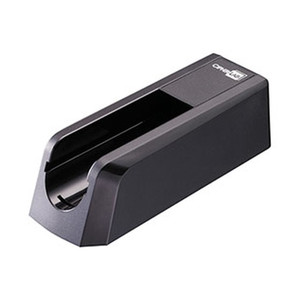
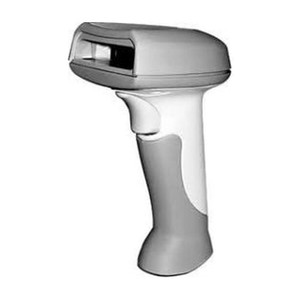
CipherLab A2504S2BSU001 1D Bluetooth Barcode Scanner
Overview
The CipherLab A2504S2BSU001 is a compact 1D linear imager scanner engineered for mobile data capture in warehouse, logistics, and retail environments. Bluetooth connectivity eliminates the need for fixed cable runs, making it ideal for fast-moving inventory operations where flexibility matters. The A2504S2BSU001 delivers 578 scans per second across standard retail and industrial barcode symbologies, with IP65 dust and water resistance to handle the physical demands of warehouse floors.
Key Features
- 1D Linear Imager Engine: Captures Code 39, Code 128, UPC/EAN, GS1-128, Codabar, Code 93, MSI, and Interleave 2 of 5 barcodes. A linear imager (not a laser) means no moving parts and better durability in high-vibration environments like conveyor systems or loading docks.
- 578 Scans Per Second Throughput: Fast enough for high-volume receiving, picking, and packing operations without bottlenecking your team. Translates to real productivity gains when processing large inbound shipments.
- Bluetooth Wireless Connectivity: Pairs with mobile devices and stationary terminals without Ethernet tethering. Reduces setup time and adapts to changing warehouse layouts without rewiring.
- IP65 Environmental Rating: Resists dust and direct water spray—critical for outdoor receiving bays or wash-down zones in food and beverage facilities. Not rated for submersion; if you need that, step up to IP67 or higher.
- Flexible Scan Range: Code 39 at 3 mil (smallest bar width) reads 3–10 cm; at 20 mil reads 1.5–60 cm. Adjust your barcode density to the scanning distance your workflow requires. Higher density (finer print) limits range; lower density extends it.
- Minimum Print Contrast Requirement of 15%: Your barcode labels must have at least 15% contrast between bars and background. Faded or poorly printed labels will fail to scan—factor this into your label procurement and quality control.
Integration & Compatibility
The A2504S2BSU001 pairs with enterprise WMS and inventory management systems via standard Bluetooth HID (Human Interface Device) or SPP (Serial Port Profile) integration. USB cable included for direct connection to stationary workstations or charging. Symbology configuration is typically handled via scanner keypad or configuration software supplied by the integrator. No special drivers required for HID mode on most Windows, macOS, and Linux systems; configure once and reuse across multiple devices.
Minimum barcode print contrast of 15% means your label stock must meet that spec. Low-quality thermal labels or faded printed barcodes will cause misreads and slow operations. Test your label source against the A2504S2BSU001 before rolling out across your facility.
What's in the Box
- CipherLab A2504S2BSU001 1D Linear Imager Scanner
- USB Cable
Frequently Asked Questions
Q: Can the A2504S2BSU001 scan 2D barcodes (QR codes, Data Matrix)?
A: No. The A2504S2BSU001 is a 1D-only linear imager. It reads 1D symbologies (Code 128, EAN, Code 39, etc.) only. If you need 2D capture, consider a 2D imager model in the CipherLab catalog.
Q: Is the A2504S2BSU001 drop-tested?
A: Drop specifications are not provided in the manufacturer documentation. Contact the vendor for impact and durability testing certifications if rugged-duty performance is critical to your deployment.
Q: Does the Bluetooth connection work reliably on a busy warehouse floor with multiple APs?
A: Standard Bluetooth 3.0+ operates on the 2.4 GHz band and can coexist with Wi-Fi and other devices, but performance depends on RF interference, distance, and antenna design. Test Bluetooth range and dropout rates in your facility before full rollout, especially if you have metal racks or high RF noise.
Q: What battery type does the A2504S2BSU001 use, and how long does a charge last?
A: Battery specifications (type, capacity, runtime) are not provided in the available documentation. Contact the manufacturer or specialty retailer for battery runtime and charging time details.
Q: Can I use the A2504S2BSU001 with standard barcode scanning software like Honeywell Dolphin or Zebra's enterprise apps?
A: The A2504S2BSU001 emulates a standard USB or Bluetooth keyboard (HID mode), so it works with any application that accepts barcode input. WMS-specific integration (event logging, batch upload) depends on your software; basic barcode reading works universally.
Q: What is the warranty on the A2504S2BSU001?
A: Warranty terms are not included in the available specifications. Request warranty details from the vendor or manufacturer directly.
Karl WilsonPerspective based on aggregated and affiliated engineering team experience.
The A2504S2BSU001 hits a sweet spot for mid-scale warehouse and retail operations where barcode density and scan speed are predictable. At 578 scans per second with linear imaging, you're looking at a workhorse, not a specialty device. The Bluetooth option cuts deployment friction — no wiring runs — but test RF coverage in your building before committing to large-scale rollout.
Technical Highlights:
- 1D Linear Imager (not laser): No moving parts. More durable than laser scanners in high-vibration environments like conveyor lines or truck beds. Trade-off: requires visible contrast and won't tolerate heavily soiled or reflective labels as gracefully as some imaging engines.
- 578 scans/second: Adequate for standard receiving and picking workflows. Not a high-speed sortation scanner; if you're processing 1,000+ items per hour through a single device, pipeline this against your actual throughput and consider multi-scanner staging.
- IP65 rating: Dust and water spray protection, but not immersion-rated. Warehouse floors with splash and humidity: yes. Submerged or high-pressure wash cycles: no — you'd need IP67 or higher.
Deployment Considerations:
- Barcode quality matters. The 15% minimum print contrast is non-negotiable. Audit your label stock before deployment; faded or low-contrast labels cause misreads that ripple through your WMS.
- Bluetooth pairing and RF interference: 2.4 GHz is crowded. In facilities with dense Wi-Fi AP coverage, metal racks, or other RF noise, Bluetooth dropout is real. Run a site survey — don't assume warehouse walls and distance behave like an office environment.
- HID keyboard emulation is universal, but battery runtime and charging specs are absent from the datasheet. Clarify battery endurance before procuring a fleet; if your team works 12-hour shifts, you need to know if one charge covers that or if you need swaps.
Deploy the A2504S2BSU001 in retail receiving, warehouse picking, and logistics cross-dock operations where barcode density is standard (not ultra-fine print) and Bluetooth range covers your facility footprint. Pair it with a tested Wi-Fi + Bluetooth site survey before fleet rollout. Not the tool for high-speed sortation or submersion environments.