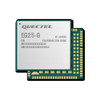
Code Blue SLNF0296 4G LTE Expansion Module
Overview
The Code Blue SLNF0296 is a 4G LTE expansion module designed to add cellular connectivity to surveillance systems where wired network infrastructure is absent or unreliable. Rated IP68 for full submersion environments, the SLNF0296 is built to handle outdoor and harsh industrial deployments — remote monitoring stations, mobile units, temporary surveillance sites, and field-deployed security networks where backhaul depends on cellular rather than Ethernet.
Key Features
- IP68 Environmental Rating: Sealed against dust and water ingress at submersion depths up to 1 meter. Deploy this module in rain, spray, and splash environments without worry about moisture degradation — critical for outdoor cellular antenna installations or mobile surveillance platforms.
- 4G LTE Connectivity: Adds cellular transport to surveillance systems, eliminating dependency on fixed broadband. Useful for temporary sites, mobile units, or locations where fiber/cable runs are not practical or available.
- 24V DC Power Input: Operates on 24V DC, the industry-standard supply for many surveillance control systems. Simplifies power architecture — one UPS or power supply can feed both legacy surveillance equipment and the SLNF0296 without separate conditioning.
- PoE (802.3af) Support: Can be powered via standard PoE infrastructure when 24V is not available. Draw under 13W typical operation, so it won't strain a standard PoE switch's power budget if deployed on an existing PoE run.
- Expansion Module Form Factor: Integrates into Code Blue surveillance systems as a modular addition. No replacement of existing infrastructure required — pairs with existing recorders, edge devices, or gateways to add cellular uplink without wholesale system redesign.
- Field-Grade Durability: Built for mobile and temporary deployment scenarios where equipment encounters vibration, temperature swings, and environmental stress. IP68 housing and 24V DC tolerance make it suitable for trailers, mobile command centers, and field-mounted enclosures.
Integration and Compatibility
The SLNF0296 module integrates with Code Blue surveillance platforms as a cellular expansion component. Check your system's documentation to confirm module slot availability and firmware version support for the SLNF0296 — compatibility varies by recorder or gateway model. The module handles 4G LTE data transport; video encoding, storage, and management remain the responsibility of the host surveillance device.
Power and Installation Notes
Supply 24V DC to the SLNF0296, or connect to an available PoE port (802.3af) for automatic power delivery. Mount the module in a location where cellular signal reception is strongest — typically elevated or near a window in indoor enclosures. Ensure antenna clearance of at least 12 inches from metallic objects or other RF equipment to avoid signal degradation. In mobile or temporary installations, secure the module to prevent vibration-induced loosening of connectors during transport.
Frequently Asked Questions
Q: Can the SLNF0296 be powered via both 24V DC and PoE simultaneously?
A: The module is designed to accept either 24V DC or PoE (802.3af). Consult the wiring diagram in your system documentation to confirm which power input method applies to your installation. Do not attempt simultaneous power feeds without verifying hardware revision compatibility.
Q: What 4G LTE bands and carriers does the SLNF0296 support?
A: Specific carrier and band support is determined by the module's firmware and hardware revision. Contact Code Blue directly with your system model and revision to confirm compatibility with your regional carrier.
Q: Is the SLNF0296 suitable for mobile surveillance trailers?
A: Yes. The IP68 rating and 24V DC design make it compatible with mobile and temporary deployments. Ensure the antenna is mounted for optimal signal reception and secure all connectors before transport to prevent vibration damage.
Q: Does the SLNF0296 handle video encoding or only transport?
A: The SLNF0296 is a connectivity expansion module. The host surveillance recorder or gateway handles video encoding, compression, and management. The SLNF0296 adds cellular uplink for data transport.
Q: What is the typical power draw of the SLNF0296?
A: Operating power draw is under 13W via PoE (802.3af) or 24V DC supply. This low consumption means the module will not overload standard power infrastructure or significantly increase UPS runtime drain.
I spec the SLNF0296 into remote and mobile surveillance systems where fixed network backhaul isn't an option. The combination of IP68 sealing, 24V DC tolerance, and sub-13W power draw makes this module a practical addition to field-deployed recorders and edge appliances. The SLNF0296 shifts the architecture question from "how do we get fiber to that site?" to "what LTE coverage does the carrier have there?" — often a faster and cheaper answer.
Technical Highlights:
- IP68 Rating: Full dust and water sealing means antenna and connector exposure in outdoor enclosures or mobile platforms won't degrade performance over time. One less thing to weatherproof separately.
- 24V DC / PoE Dual Input: Works with legacy 24V surveillance PSUs or modern PoE infrastructure. A single module can slot into systems built on either power architecture without custom conditioning.
- Sub-13W Draw (PoE 802.3af): Low enough that you won't need a dedicated power supply or Class 4 PoE switch. Standard PoE can handle the SLNF0296 alongside camera loads.
Deployment Considerations:
- The SLNF0296 adds cellular transport only — it doesn't encode video or manage recordings. You still need a Code Blue recorder or gateway as the host system. Verify module slot availability and firmware version compatibility before ordering.
- LTE coverage is regional and carrier-dependent. Confirm signal strength and band support in your deployment area before committing to this solution. A site with spotty 4G will struggle regardless of module quality.
The SLNF0296 fits mobile command centers, temporary event surveillance, and remote facility monitoring where you need cellular backup or primary transport. If you're running a trailer-mounted NVR or commissioning a temporary site network, this module saves weeks of fiber or conduit runs.