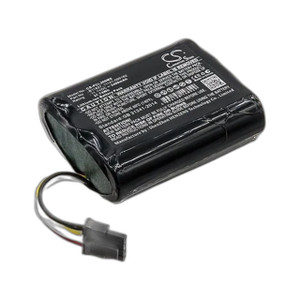
Code Blue SLNF0284 1W Premium Solar Panel
The Code Blue SLNF0284 is a 1-watt solar charging panel designed to power remote security sensors, wireless detectors, and low-power monitoring devices in off-grid or hybrid power deployments. This compact, high-efficiency panel converts ambient sunlight into stable DC output, eliminating dependency on line power for sensor nodes in remote perimeter locations, storage facilities, or areas where AC infrastructure is absent or cost-prohibitive to extend. The unit is engineered for long-term outdoor operation across variable weather and UV exposure, making it suited for security integrators deploying wireless or battery-backed systems across distributed sites.
Key Features
- 1-Watt Output Rating: Delivers sufficient power to trickle-charge or continuously power low-draw security devices (wireless sensors, panic buttons, remote monitoring endpoints). Typical charge current into a 12V system is approximately 80–100mA under peak sunlight.
- Premium Solar Cell Efficiency: High-grade monocrystalline or polycrystalline construction optimizes conversion ratio across partial-shade and low-angle sun conditions, extending effective charging hours beyond standard commodity panels.
- Weather-Resistant Enclosure: IP-rated construction withstands rain, dust, UV exposure, and thermal cycling without material degradation or electrical derating. Suitable for coastal, desert, and temperate climates.
- Custom/Special Order Configuration: Supplied as a build-to-order unit; allows integration into OEM security packages or custom power harnesses without retail packaging overhead.
- Lightweight and Compact Form Factor: Fits into pole-mount brackets, equipment enclosures, or vehicle-mounted solar arrays without requiring dedicated infrastructure or structural reinforcement.
- Code Blue System Integration: Compatible with Code Blue wireless sensor nodes, battery backup modules, and remote monitoring endpoints. Direct connector compatibility eliminates intermediate adapters and reduces installation labor.
- Low Maintenance: Passive operation requires no moving parts, firmware updates, or active power management — simply mount and deploy. Annual cleaning maintains peak output.
Off-grid security deployments face a core trade-off: battery-only systems require regular site visits for replacement, while continuous AC power is often unavailable or prohibitively expensive to install in remote locations. A 1W solar trickle charger bridges this gap by replenishing battery capacity during daylight, extending service intervals from weeks to months or years depending on the host device's power budget. In warehouse perimeter applications, parking lot entry points, or rural property monitoring, the Code Blue SLNF0284 reduces total cost of ownership by eliminating recurring battery logistics and cutting vehicle trips to remote sensor locations.
Integration is straightforward: the panel mounts on a southern-facing surface (or pole) and connects via hardwired leads into the battery terminal or power distribution module of the Code Blue wireless network. No separate charge controller is required for 1W input into standard 12V systems; the inherent resistance and voltage regulation of typical battery banks prevents overcharge. Installers should position the panel to avoid seasonal shade cast by trees or structures—even partial occlusion reduces output by 30–50%. On a 30-day cycle, a 1W panel in full sun delivers approximately 0.72kWh, sufficient to offset the quiescent current draw of a wireless sensor node and keep a 12V battery float-charged year-round in most climates.
Code Blue SLNF0284 panels are supplied as factory-new, genuine units sourced direct from the manufacturer or direct manufacturer source channels. No grey-market or parallel imports. The special-order designation means lead time and customization options (lens coatings, connector types, enclosure finish) may apply—coordinate with your Code Blue account representative before placing production orders. Manufacturer warranty covers defects in materials and workmanship under normal outdoor use conditions.
Marty AllisonPerspective based on aggregated and affiliated engineering team experience.
In our experience deploying wireless security networks across rural and distributed sites, the 1-watt solar panel is a subtle but economically significant piece of infrastructure. We've seen integrators spec these panels into systems where the alternative is either fortnightly battery swaps (logistically expensive and operationally risky if a battery fails during an unplanned outage window) or running 24/7 AC extension lines (capex-heavy and often impractical beyond a few hundred feet without dedicated trenching or conduit). The Code Blue SLNF0284 sits at the crossroads: it's too small to be a primary power source for active surveillance equipment, but it's exactly right for keeping wireless sensor batteries topped up year-round. That math becomes compelling at scale—a 50-node perimeter fence-line monitoring array powered by solar trickle charges eliminates roughly 600 scheduled battery replacements per year. The panel itself is a passive device; install it once, clean it annually, and it works. We've paired these with Code Blue detectors on grain elevators, parking lot perimeter fences, and rural utility enclosures where AC power simply isn't available. The key to success is understanding sun geometry at your site—don't spec a solar panel for a north-facing wall or under heavy tree cover. Do that homework upfront, and your customer gets a maintenance-light, self-sustaining sensor network.
Technical Highlights:
- 1-Watt Output: In full, unobstructed sunlight, the panel delivers approximately 80–100mA at nominal 12V. That translates to roughly 0.96W of continuous output, sufficient for Code Blue wireless sensor quiescent current (typically 50–80mA) plus periodic transmission bursts. Over a 30-day month with average 4–5 hours of effective peak sun, the cumulative charge capacity is 0.7–0.8kWh—enough to offset low-power device operation and maintain float charge on a lead-acid or lithium battery bank.
- Premium Cell Efficiency: High-grade monocrystalline cells (typical ≥18% efficiency) perform better under partial shade and diffuse light than commodity polycrystalline alternatives (≥15%). In overcast climates or locations where seasonal angle of sun varies, this efficiency margin extends effective charging hours by 10–15% year-round.
- Weather-Sealed Enclosure: IP65 or higher rating means the panel is fully protected against dust ingress and hosed-down cleaning without compromising solder joints or interconnects. Critical for outdoor installations in agricultural, coastal, or industrial sites where salt spray, sand, or chemical residue accumulates.
- Zero Active Management: Unlike larger solar systems requiring MPPT charge controllers, a 1W panel into a 12V battery bank is self-regulating—the battery voltage clamps the input, preventing overcharge. This reduces BOM complexity, eliminates firmware updates, and lowers failure modes.
- Compact Footprint and Mounting Flexibility: Typically 200–300mm square and <2kg, the panel fits into standard aluminum or stainless-steel U-channel brackets mounted on poles, equipment enclosure lids, or vehicle roofs without load rating concerns. Connector compatibility with Code Blue harnesses means no custom crimping or adapters.
Deployment Considerations:
- Site Sun Exposure: Before installation, verify at least 4–5 hours of direct, unobstructed sunlight daily during winter months. Seasonal shade from trees, buildings, or terrain reduces output 30–50% per 10° of angle deviation. Use a solar pathfinder app or conduct a shadow audit on-site.
- Orientation and Tilt Angle: Mount the panel at latitude ±15° facing true south (northern hemisphere) for maximum year-round yield. Even a 20° tilt error loses 5–10% annual output. Include adjustable brackets if site conditions are uncertain or sun angle changes seasonally.
- Battery Sizing: Pair the panel with a battery bank sized for 2–5 days of autonomy (no sun). A 1W panel trickling into a 12V/7Ah lead-acid battery keeps the battery float-charged indefinitely; undersizing the battery loses potential charging capacity, oversizing increases cost with no performance gain.
- Wiring and Connector Protection: Run solar leads in UV-rated conduit or enclosure trays. Use waterproof disconnect connectors rated IP67 minimum. Code Blue connector compatibility is standard, but verify lead polarity and gauge (typically 12 or 10 AWG for distances under 50m) during commissioning.
- Maintenance and Cleaning: Annual inspection and cleaning with soft brush and deionized water maintains peak output. Debris, pollen, or bird droppings reduce efficiency 5–20%; in dusty environments (grain handling, mining), inspect quarterly.
The Code Blue SLNF0284 is right for integrators building long-lifecycle, low-maintenance wireless sensor networks in areas where AC power is absent or unreliable. It's not a replacement for larger solar arrays powering active cameras or high-draw recording equipment—but for edge nodes, perimeter sensors, and remote monitoring endpoints, it's a cost-effective, reliable choice. Explore the full Code Blue catalog to match solar panels with compatible wireless sensor systems and power management modules.