
Showing Results for Wall Mounts & Brackets
-
Save $363.01
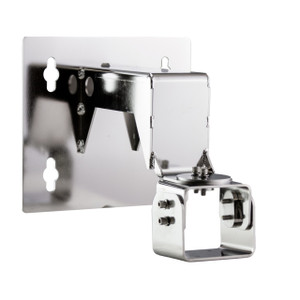
Hanwha HT-F1XX-WM Wall Mount for Explosion Proof
316L stainless steel wall mount for explosion-proof cameras
- 316L stainless steel resists corrosion in hazardous, outdoor, and coastal environments
- Compatible with TNO-X6072EPT1-Z, TNO-X8072EPT1-Z, TNO-X6322EPT1-Z models
- Wall-mounted design for secure, stable positioning indoors and outdoors
In stock · Ships same business day Free shipping over $499$1,450.00 $1,086.99 Save $363.01 -
Save $977.01
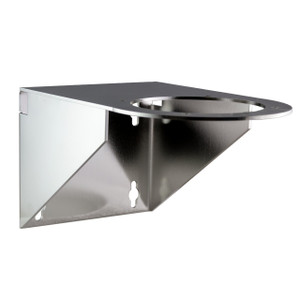
Hanwha HT-SD-WM Wall Mount for Explosion-Proof Cameras
316L stainless steel wall mount for explosion-proof camera installations
- 316L stainless steel resists salt spray and chemical vapor corrosion
- Upright or inverted mounting orientation fits ceiling and wall deployments
- Compatible with TNP-X6322EPT3-Z and TNP-Q6232EPT3-Z explosion-proof cameras
Usually Ships in 2-3 Weeks Free shipping over $499$2,790.00 $1,812.99 Save $977.01 -
Save $26.01
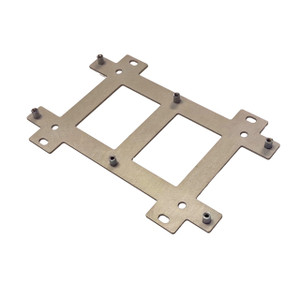
Hanwha NOC-RIMP Wall Mounting Bracket
Wall bracket for NOP-RI2MS cameras in triple-gang electrical boxes
- Metal construction with precision standoffs for secure positioning
- Fits standard triple-gang electrical boxes, 5.5" × 3.63" × 0.5"
- Operates from -40°C to +80°C in code-compliant installations
Usually Ships in 2-3 Weeks Free shipping over $499$75.00 $48.99 Save $26.01 -
Save $154.01

Hanwha SBP-004WMW Wall Mount for Rugged PTZ Cameras
Wall mount for rugged PTZ cameras, 15 kg load capacity, reversible angles
- Aluminum wall mount for Hanwha TNP-A6550RW + TNP-A7430RW
- 15 kg load capacity for heavy ruggedized PTZ cameras
- Reversible for upright, canted, or inverted install
Usually Ships in 2-3 Weeks Free shipping over $499$441.00 $286.99 Save $154.01 -
Save $12.01

Hanwha SBP-099TMW Tilted Wall Mount White
20° tilted wall mount for Hanwha fisheye cameras, white polycarbonate
- 20-degree fixed tilt redirects fisheye coverage downward without gimbal adjustment
- Compact Ø99mm footprint in UV-resistant white polycarbonate for indoor/covered outdoor
- Direct fit for QNF-8010 and QNF-9010 fisheye cameras, 100g lightweight design
In stock · Ships same business day Free shipping over $499$50.00 $37.99 Save $12.01 -
Save $9.01

Hanwha SBP-120WM Indoor Wall Mount Bracket
Wall mount bracket for Hanwha QND, XND, SND-L, and SCD cameras
- Lightweight 360g design minimizes load on drywall anchors and mounts
- Works across 20+ Hanwha camera models, reducing bracket inventory needs
- Includes mounting template, fasteners, and hardware for complete installation
In stock · Ships same business day Free shipping over $499$26.00 $16.99 Save $9.01 -
Save $23.01

Hanwha SBP-137WM1 Dome Hanging Wall Mount
Dome hanging wall mount for flexible Hanwha camera placement
- Works with Hanwha dome cameras; includes bracket and hardware
- Durable construction designed for retail, lobbies, and warehouses
- Hanging design optimizes ceiling or wall positioning for coverage
In stock · Ships same business day Free shipping over $499$68.00 $44.99 Save $23.01 -
Save $98.01

Hanwha SBP-142WMW Wall Mount Bracket
White aluminum wall mount bracket for Hanwha thermal cameras up to 5kg
- Supports TNM-3620TDY, TNM-C3620TDR, and TNM-C3622TDR models with 5kg capacity
- Compact aluminum construction (233 x 110 x 181mm) with RAL9003 white finish
- Includes 3mm and 6mm hexagon fasteners for flexible wall mounting options
Usually Ships in 2-3 Weeks Free shipping over $499$280.00 $181.99 Save $98.01 -
Save $9.01
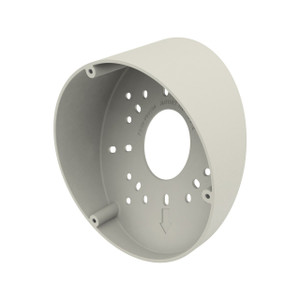
Hanwha SBP-160TM Tilted Wall Mount
23° tilted wall mount for 16+ Hanwha dome cameras
- Fixed 23° tilt angle optimizes camera positioning without adapters
- Lightweight aluminum construction rated for indoor and outdoor walls
- Compact 5.9" × 6.1" × 4.2" design fits discreetly on standard surfaces
Usually Ships in 2-3 Weeks Free shipping over $499$26.00 $16.99 Save $9.01 -
Save $17.01

Hanwha SBP-160TMW1 Tiled Wall Mount
White aluminum wall mount with 20° tilt for Hanwha IP cameras
- 20° tilt range optimizes viewing angle without full pan-tilt complexity
- Aluminum construction resists corrosion in humid retail and indoor spaces
- Designed for flush alignment on tiled or flat wall surfaces
In stock · Ships same business day Free shipping over $499$51.00 $33.99 Save $17.01 -
Save $28.01
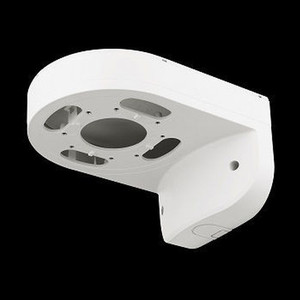
Hanwha SBP-160WMW1 Wall Mount for Network Cameras
Wall mount for Hanwha network cameras with adjustable positioning
- Fits single, double, 4" octagon, and 4" square gang boxes for flush installation
- M25 conduit port routes cables inside walls to hide Ethernet and power runs
- Aluminum body with polycarbonate cover weighs just 1.53 lbs for easy mounting
In stock · Ships same business day Free shipping over $499$82.00 $53.99 Save $28.01 -
Save $44.01
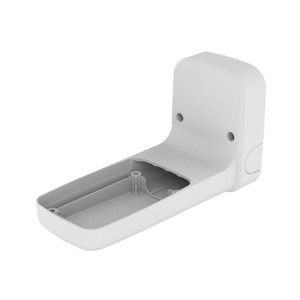
Hanwha SBP-187WMW White Wall Pole Mount
Wall and pole mount for TNO-7180RLP LPR cameras in outdoor traffic monitoring
- Aluminum construction with white powder coat resists corrosion in outdoor environments
- Supports both wall and pole installation for flexible camera positioning
- M25 conduit hole routes cables; TR30 mount secures camera to bracket
In stock · Ships same business day Free shipping over $499$157.00 $112.99 Save $44.01 -
Save $149.01
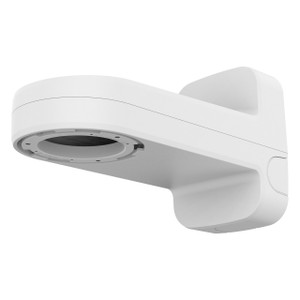
Hanwha SBP-250WMWS White Wall Mount Bracket
White wall bracket for Hanwha Wisenet Q-series dome cameras
- Direct mounting for Q-series domes; adapter-compatible with XNP and larger housings
- Aluminum and polycarbonate construction in white finish for indoor deployment
- Supports gang plate and hanging adapters for flexible multi-camera setups
Usually Ships in 2-3 Weeks Free shipping over $499$600.00 $450.99 Save $149.01 -
Save $98.01
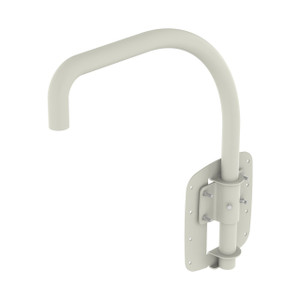
Hanwha SBP-300LMB Long Arm Wall Mount Black
Long arm wall mount for PTZ and dome cameras with extended reach
- Extended standoff design positions cameras away from mounting surface
- Black powder-coated steel construction rated -50°C to +60°C operating range
- Wall-mounted installation compatible with Hanwha PTZ and dome camera models
Usually Ships in 2-3 Weeks Free shipping over $499$395.00 $296.99 Save $98.01 -
Save $20.01
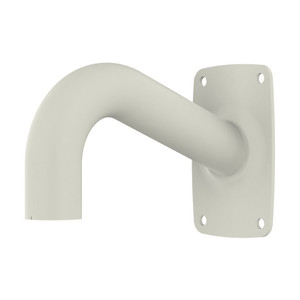
Hanwha SBP-300WM PTZ Wall Mount Gooseneck
Flexible gooseneck wall mount for Hanwha PTZ cameras indoors and out
- 360-degree rotation and multi-axis tilt for precise camera positioning
- Direct compatibility with Hanwha PTZ camera line, no adapters needed
- Durable construction rated for indoor and outdoor temperature swings
In stock · Ships same business day Free shipping over $499$80.00 $59.99 Save $20.01 -
Save $186.01

Hanwha SBP-300WMS Stainless Steel Gooseneck Wall Mount
Stainless steel gooseneck wall mount for coastal and corrosive environments
- Flexible gooseneck design allows precise angle adjustment for optimal positioning
- Stainless steel construction resists corrosion in coastal, industrial, and chemical settings
- Compatible with Hanwha stainless steel camera models for integrated surveillance systems
In stock · Ships same business day Free shipping over $499$655.00 $468.99 Save $186.01 -
Save $162.01

Hanwha SBP-300WMS1 Stainless Steel Wall Mount
Stainless steel wall mount for corrosion-resistant indoor/outdoor surveillance
- Precision-engineered stainless steel construction resists corrosion in harsh environments
- Compatible with Hanwha stainless steel camera models for integrated deployments
- Silver finish with stable positioning for industrial, coastal, and chemical facilities
In stock · Ships same business day Free shipping over $499$655.00 $492.99 Save $162.01 -
Save $28.01

Hanwha SBP-300WMW Gooseneck Wall Mount
Gooseneck wall mount with articulated neck and 1.5" PF thread
- Aluminum and steel construction at 1.87 lbs for single-technician install
- Adjustable gooseneck allows camera angle tuning without wall remounting
- Compact 4.41" × 7.2" footprint fits tight corridors and retail spaces
In stock · Ships same business day Free shipping over $499$80.00 $51.99 Save $28.01 -
Save $63.01

Hanwha SBP-390WM2 Long Wall Mount Arm Ivory
417mm aluminum wall arm with integrated cable conduit for extended camera reach
- 417mm (16.4 in) reach positions cameras away from walls without crowding infrastructure
- Aluminum construction resists corrosion in HVAC zones, loading docks, manufacturing floors
- Integrated conduit routes cables through arm; reduces sag and protects wiring
In stock · Ships same business day Free shipping over $499$225.00 $161.99 Save $63.01 -
Save $12.01

Hanwha SBV-138TMW White Tilted Wall Mount
23° tilted wall mount for Hanwha Q and L series outdoor domes
- 23° tilt angle eliminates need for pan-tilt head on elevated mounts
- White powder-coat aluminum construction rated for outdoor environments
- Fits QNV-6082R, QNV-7082R, QNV-8080R, and LNV-6072R varifocal cameras
In stock · Ships same business day Free shipping over $499$50.00 $37.99 Save $12.01 -
Save $29.01

Hanwha XNP-6120HW White Wall Mount Bracket - SBP-168WMW1
White wall mount bracket for XNP-6120HW camera systems
- Designed specifically for XNP-6120HW camera installation and alignment
- Professional-grade construction for stable, secure wall-mounted positioning
- White finish matches XNP-6120HW cameras in fixed surveillance deployments
Usually Ships in 2-3 Weeks Free shipping over $499$85.00 $55.99 Save $29.01 -
Save $0.01

HES CWB-62BK Concrete/Wood Wall Bracket
Wall bracket for concrete and wood surfaces, indoor/outdoor rated
- Mounts to both concrete and wood surfaces, eliminating dual-bracket SKUs on mixed jobs.
- Indoor/outdoor rated construction supports perimeter and facade deployments year-round.
- US-made, 4 lb bracket integrates with HES mounting standards to simplify camera installs.
Usually Ships in 2-3 Weeks Free shipping over $499$111.00 $110.99 Save $0.01 -
Save $0.01

HES CWB-680CL Concrete/Wood Wall Bracket for M680E
Clear anodized aluminum wall bracket for HES M680E cameras on concrete, masonry, wood
- Mounts securely to concrete, cinder block, brick, and timber with hardware-agnostic fastener design
- Clear anodized aluminum resists corrosion and salt spray for outdoor and coastal deployments
- Fixed horizontal orientation optimized for M680E camera platform geometry and load ratings
In stock · Ships same business day Free shipping over $499$162.00 $161.99 Save $0.01 -
Save $0.01

HES CWB-82BK Concrete/Wood Wall Bracket
Wall bracket for fixed cameras on concrete and wood surfaces
- Mounts to concrete and wood with weather-resistant construction
- Compatible with fixed dome and bullet camera platforms
- Indoor and outdoor surveillance in mixed-material wall environments
Usually Ships in 2-3 Weeks Free shipping over $499$135.00 $134.99 Save $0.01 -
Save $0.01

HES DK-16P Digital Keypad Wall Mount
Wall-mount PIN keypad for HES access control systems
- PIN-based numeric entry integrates with HES platforms
- Wall-mounted design for interior commercial installations
- Supports up to 59 users in climate-controlled spaces
Usually Ships in 2-3 Weeks Free shipping over $499$310.00 $309.99 Save $0.01 -
Save $0.01
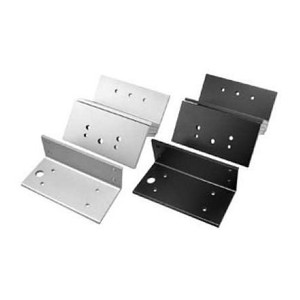
HES Z-MM15BK Z-Bracket Wall Mount Black
Z-bracket wall mount with black powder-coat finish for indoor/outdoor
- Adjustable positioning on walls and vertical surfaces for security cameras
- Black powder-coated steel construction rated for outdoor environments
- Compatible with standard camera mount interfaces for modular installations
Usually Ships in 2-3 Weeks Free shipping over $499$176.00 $175.99 Save $0.01 -
Save $0.63
Honeywell 46-00911-R Wall Mount Adapter
Wall mount adapter for Honeywell Wi-Fi scanners in fixed-position retail and warehouse setups
- Secures Honeywell Wi-Fi scanners to vertical surfaces for fixed-position deployments.
- Wall mount form factor suits retail POS, warehouse receiving, and industrial scan stations.
- Compatible with standard wall anchor systems, simplifying installation without complex frameworks.
Usually Ships in 2-3 Weeks Free shipping over $499$45.62 $44.99 Save $0.63 -
Save $0.01
Honeywell Commercial Security HA60WLM4F 60S Wall Mount
Wall-mount 60S security terminal with wired connectivity for fixed installations
- Wall-mount form factor enables fixed-location deployment without floor space overhead.
- Wired connectivity suits facilities where wireless infrastructure is absent or restricted.
- Compatible with a broad range of Honeywell 60S accessories via documented bundle SKUs.
Usually Ships in 2-3 Weeks Free shipping over $499$162.00 $161.99 Save $0.01 -
Save $197.01

Honeywell HA60MLMM Wall Mount - 60 Series
Wall mount bracket for Honeywell 60 Series multi-sensor cameras
- Designed specifically for Honeywell 60 Series multi-sensor cameras, ensuring fit.
- Wall mount form factor supports fixed vertical surface installation in commercial sites.
- Ships as a complete, single-piece bracket — no additional mounting hardware included.
Usually Ships in 2-3 Weeks Free shipping over $499$431.00 $233.99 Save $197.01 -
Save $0.51

Honeywell HA60WLMB1 S60 Wall Mount Bracket
Wall mount bracket for Honeywell 60 Series cameras, indoor/outdoor
- Engineered exclusively for Honeywell 60 Series cameras, ensuring precise fit.
- Rated for outdoor environments, supporting both indoor and outdoor deployments.
- Ships with hardware and fasteners included, reducing installation prep time.
In stock · Ships same business day Free shipping over $499$87.50 $86.99 Save $0.51 -
Save $0.01
HP Inc 762T5AA HP B200 PC Mounting Bracket
Single-unit PC mounting bracket — sold as the B200 — designed to attach a compact PC directly to the rear of a compatible HP G5-series monitor
In stock · Ships same business day Free shipping over $499$64.00 $63.99 Save $0.01 -
Save $0.01

HP Inc 8D0Q8AA HP Z4 Rack RSC ARM Bracket
Rack-mount RSC (Riser Card) arm bracket designed for the HP Z4 workstation platform
Usually Ships in 2-3 Weeks Free shipping over $499$34.00 $33.99 Save $0.01 -
Save $0.81
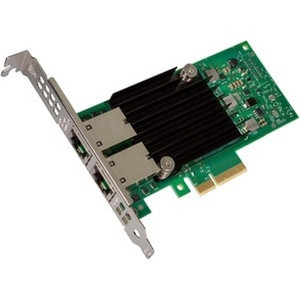
Intel X550T2 Ethernet Adapter - PCIE V3.0
Dual-port 10 Gigabit Ethernet Network Interface Card (NIC) designed for servers and workstations requiring high-speed, reliable network connectivity
Usually Ships in 2-3 Weeks Free shipping over $499$118.80 $117.99 Save $0.81 -
Save $0.81
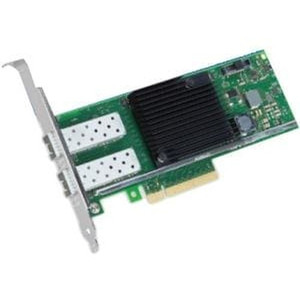
Intel X710DA2 Ethernet Adapter - Copper SFP+
Dual-port 10GbE SFP+ Ethernet Converged Network Adapter designed for servers and workstations requiring high-speed, low-latency network connectivity
In stock · Ships same business day Free shipping over $499$280.80 $279.99 Save $0.81 -
Save $202.01

Kantech KT-SIG-40KTKS-01 Wall Mount Keypad
Wall-mount keypad for Kantech access control systems
- HID Signo 40K wall-mount reader with PIN keypad
- Multi-tech credential reading: MIFARE, HID, NFC, 125kHz
- 0.36 lb low-profile housing for clean wall installation
Usually Ships in 2-3 Weeks Free shipping over $499$745.00 $542.99 Save $202.01 -
Save $126.01

Kantech KT-SIG-40TKS-01 Wall Mount Signage
Wall-mount signage for Kantech access control system integration
- HID Signo wall-mount reader with multi-tech credentials
- MIFARE, HID, NFC, 125kHz prox in one device
- 0.36 lb low-profile housing for clean wall installation
Usually Ships in 2-3 Weeks Free shipping over $499$465.00 $338.99 Save $126.01