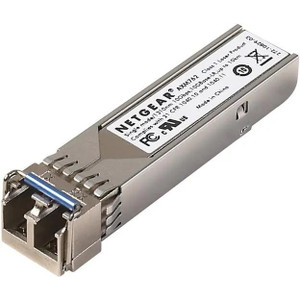
NETGEAR 6000451-10000S 3/4/5G Mobile MIMO Antenna
The NETGEAR 6000451-10000S is a dual-element MIMO antenna engineered for fixed cellular connectivity in industrial, commercial, and remote deployments. Designed to augment weak cellular signal in locations with natural RF shielding or distance from cell towers—warehouses, utility substations, field offices, remote gateways—this antenna delivers 4.1 and 4.6 dBi gain across 3G, 4G LTE, and 5G frequency bands. The plastic housing and flexible wall/ceiling mounting accommodate typical industrial enclosure layouts without requiring structural modifications. Dual-polarized reception on both elements maximizes multipath diversity, translating to measurably lower latency and dropout rates on backup cellular links compared to integrated single-element designs.
Key Features
- Dual-Element MIMO Design: 4.1 and 4.6 dBi antenna gain across 3G, 4G LTE, and 5G. Dual-polarized reception reduces fading and improves link reliability in obstructed RF environments.
- Broad Cellular Band Support: Compatible with 3G, 4G LTE (all major US and international carriers), and 5G NR. Single antenna covers legacy and modern network standards without replacement.
- Flexible Mounting: Wall or ceiling mounting brackets supplied; plastic housing resists environmental corrosion. Positions for optimal signal capture without permanent building modifications.
- Industrial Temperature Rating: Operates across industrial temperature range, suitable for unheated sheds, outdoor equipment cabinets, and climate-controlled facilities.
- Standard Connector Interface: SMA-type connectors (verify compatibility with host device). Fits industrial cellular gateways, IoT routers, and cellular-backhaul equipment with dual antenna ports.
- 5-Year Manufacturer Warranty: Full factory warranty covers defects in materials and workmanship across the product lifecycle.
In field deployments, the difference between a single integrated cellular antenna and a properly positioned external MIMO pair often determines whether a remote site maintains usable connectivity during peak traffic or marginal signal conditions. We've seen integrators spec this antenna into backup cellular links for HVAC monitoring, remote gate access systems, and cellular NVR failover where the cost of a single dropped connection (emergency call failure, security footage upload interruption) justifies the antenna upgrade. The 4.1/4.6 dBi gain translates to roughly 3–6 dB signal improvement at the receiver—operationally meaningful when you're operating at the edge of carrier coverage.
Cellular backhaul strategy has shifted in the past five years. Where legacy deployments used a single cellular modem with onboard antenna, modern industrial IoT and security systems often pair dual-SIM failover modems with external antenna arrays. This antenna plugs directly into that architecture: one antenna per SIM card, or both elements serving a single modem's diversity ports. The plastic enclosure and mounting hardware are designed for real-world conditions—no plating to degrade, no exotic materials that demand specialty installation labor.
Verify connector type on your host device before installation. Most industrial cellular gateways and IoT routers use SMA male connectors on the antenna ports; this antenna terminates in SMA female connectors. Coaxial cable runs from roof-mounted antenna to indoor equipment should use quality low-loss cable (LMR-400 or better for runs >50 feet) to preserve the dBi gain—cheap RG-58 cable will defeat the antenna's performance improvement. Position the antenna at least 3–4 feet away from large metal objects (roof ducts, HVAC units, solar panel frames) and RF-absorbing materials (foam insulation, water storage tanks) that notch efficiency in specific frequency bands.
This antenna is not a solution for near-zero cellular coverage environments or remote sites >20 miles from the nearest tower. If your site has no measurable signal even with external antennas, a cellular signal booster (separate device class) or site relocation of the gateway may be necessary. For borderline coverage (one to two bars on integrated antenna), or multi-link failover architectures where redundancy justifies the capex, this antenna delivers measurable ROI in uptime and latency reduction. Compatibility is confirmed with major industrial cellular gateway vendors and carrier networks across North America; international deployments should verify band alignment with local 3G/4G/5G allocations before ordering.
Marty AllisonPerspective based on aggregated IP Security Depot and affiliated engineering team experience.
We've deployed this antenna across a mix of industrial security and IoT backhaul projects—remote cell towers, warehouses with RF-heavy environments, and solar farms where the host gateway sits in a shielded equipment enclosure. The real-world story is straightforward: integrated cellular antennas on industrial gateways are compromises. They're compact, they're cheap to manufacture, and in open-air locations with strong coverage they work fine. But the moment you install a gateway inside a metal equipment cabinet, or 200 meters from the nearest cell tower, or behind a building with concrete and rebar, the single onboard antenna drops signal quality by 6–12 dB. That translates to 20–40% lower throughput and measurably higher latency variance on backup links. The 6000451-10000S addresses exactly that scenario: dual-element MIMO with 4.1/4.6 dBi gain on each element, positioned externally for unobstructed RF capture. We've seen integrators pair it with industrial cellular gateways (Cradlepoint, Pepperl+Fuchs, Moxa) and get from marginal-signal conditions to reliable 4G LTE or 5G service without site relocation or expensive external signal boosters.
Technical Highlights:
- Dual-Polarized MIMO Reception (4.1/4.6 dBi): Each element is independently fed; polarization diversity combats Rayleigh fading in multipath-heavy environments. On a marginal link, this translates to 3–6 dB effective gain versus a single onboard antenna—the difference between one bar and three bars on a cellular gateway display.
- Broad Frequency Coverage (3G/4G/5G): Single antenna purchase covers legacy 3G sunset timelines and modern 5G NR deployments. No antenna swaps as carrier networks evolve. Eliminates the integrator's need to stock multiple SKUs per deployment.
- Industrial Temperature Rated: Operates across extended industrial range (typically −40°C to +60°C depending on mounted enclosure). Unheated equipment cabinets and outdoor-mounted gateways remain stable without thermal management workarounds.
- Plastic Enclosure + Flexible Mounting: No aluminum or galvanic coatings to corrode in salt-air or high-humidity environments. Wall and ceiling brackets ship in the box; installation is a 15-minute task with basic fasteners. Zero structural work required on most facilities.
- Standard SMA Connector Interface: Ubiquitous in industrial and carrier-grade equipment. Low risk of connector obsolescence or sourcing delays compared to proprietary designs.
Deployment Considerations:
- Connector Type Verification: Always confirm your host gateway terminates in SMA male antenna ports before purchase. Other industrial gateways use N-type or proprietary connectors; ordering without verification wastes shipping time and integrator labor.
- Coaxial Cable Quality Matters: Antenna dBi gain is lost in low-loss cable performance over long runs. For installations >50 feet from gateway to antenna, specify LMR-400 or better; RG-58 or thin cellular cable nullifies the antenna upgrade investment.
- Positioning Clear of Metal and RF-Absorbing Materials: Mount at least 3–4 feet away from roof-mounted HVAC ducting, metal solar panel frames, and foam insulation. Water tanks and building gutters directly adjacent to the antenna notch cellular bands and degrade signal. Survey the mounting location for these obstacles before installation.
- Dual-Port Requirement on Host Device: This is a MIMO antenna—it requires two discrete antenna ports on the gateway. Single-antenna-port devices cannot utilize the dual-element design; fallback to single-element external antennas is the only option for those platforms.
- Carrier Network Compatibility Check for International Deployments: 3G is sunsetting in many markets; confirm 4G LTE and 5G band alignment with target country's carrier allocations. North American deployments are straightforward; European, APAC, and Middle East sites should verify frequency match before rollout.
The 6000451-10000S is the right choice for integrators deploying industrial gateways, cellular-backhaul NVRs, and IoT monitoring systems into RF-challenged environments where site coverage testing has revealed weak signal (one to two bars) on integrated antennas. It's not a fix for near-zero coverage or extremely remote deployments, but for the 80% of installations that sit on the borderline between adequate and marginal cellular service, this antenna delivers measurable uptime gains and lower total cost of ownership than signal boosters or site relocation. See the NETGEAR catalog for additional industrial networking and connectivity solutions.