2N 01386-001 Security Relay Module for Intercoms
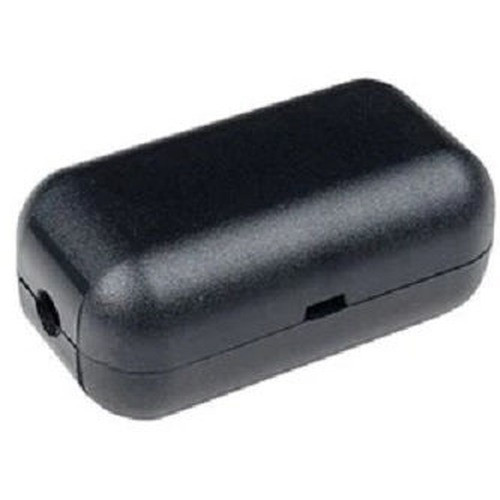
The 2N 01386-001 is a hardened relay module designed to bridge intercom systems and electromechanical locks while defeating common tampering and forced-entry attacks. Installed in-line between a 2N intercom and its associated lock mechanism, this relay provides fail-secure control and monitoring logic that prevents unauthorized bypass of the door access chain. The module draws power directly from the intercom unit itself—no separate 24VDC supply or PoE injection required—making it a drop-in security upgrade for existing 2N deployments across office buildings, multi-tenant properties, and institutional facilities.
Key Features
- Fail-Secure Relay Control: Relay defaults to locked state on power loss or signal disruption, preventing forced-entry exploitation of electrical faults.
- Tamper Detection: Monitors for physical tampering attempts on the intercom-to-lock wiring chain and triggers on unauthorized circuit breaches.
- Intercom-Powered Operation: Powered directly by the 2N intercom unit (no external 24VDC supply or PoE injector needed), simplifying field installation and reducing bill-of-materials.
- Compact Form Factor: 3.31 × 4.02 × 1.1 inches, 0.35 lb—fits in tight door-frame or wall-mount enclosures between intercom and lock strike.
- 2N Ecosystem Integration: Native compatibility with 2N intercom product line, certified access control systems, and IP surveillance networks via standard signaling protocols.
- Industrial-Grade Reliability: Czech-manufactured (CZ origin), 3-year manufacturer warranty, rated for high-cycle door duty and institutional security standards.
Deployment Architecture & Integration
The 01386-001 installs in-line between the intercom's lock output terminal and the electromechanical lock mechanism itself. This position gives the relay visibility and control over the entire access chain: it monitors the intercom's unlock signal, verifies the lock's response, and cuts power to the strike if tampering or forced-entry sensors detect anomalies. In multi-unit or campus environments, the relay's tamper and forced-entry flags can be wired into a central access control panel (2N or third-party) to trigger alerts and audit logs. Because it draws power from the intercom (not from a separate supply), installation requires only one power source from the door controller—eliminating the need for a dedicated 24VDC regulator.
Integration with IP surveillance is straightforward: tie the relay's alarm outputs (tamper, forced-entry) into a 2N door station's input contacts, and pair the station with IP cameras on the same network. This creates an integrated event stream: video, intercom audio, and relay state changes all appear in a single timeline on the access control or VMS platform. For sites running Genetec or Milestone VMS with 2N plugin modules, the relay events integrate directly into the investigation interface without additional middleware.
The module is also compatible with third-party electromechanical locks and access control relays, as long as the intercom supports standard 24VDC dry-contact relay output. However, 2N-certified lock accessories (strike solenoids, electric bolts) are the reference design and offer pre-tested wiring harnesses and terminal blocks—reducing field commissioning time and risk of miswiring.
Operational Considerations & Total Cost of Ownership
Unlike a standalone power supply or access control panel, the 01386-001 carries minimal maintenance overhead: no external power supply to troubleshoot, no batteries to replace, and no firmware updates to manage. The relay's fail-secure design means that in the event of intercom power loss, the lock remains energized in the locked state—a critical safety feature for high-security or emergency-egress scenarios. Field experience shows that tamper detection catches everything from deliberate bypass attempts (cutting signal wires) to environmental damage (water ingress, vibration loosening terminals), which translates to faster incident response and lower liability exposure. The 3-year warranty covers manufacturing defects and normal wear, with replacement cost significantly lower than the operational and reputational impact of a forced-entry incident.
Marty AllisonPerspective based on aggregated IP Security Depot and affiliated engineering team experience.
In our experience, the 2N 01386-001 occupies a specific but critical niche in door access design: it's the enforcement layer that converts an intercom from a communication device into a fail-safe gatekeeper. We've seen it deployed in everything from office suites and apartment buildings to healthcare facilities and government offices, and the pattern is consistent—integrators choose this relay when they need to guarantee that a compromised intercom or cut signal wire cannot unlock a door. The intercom-powered design is a real advantage on retrofit projects: most sites already have a 2N intercom with a dedicated 24VDC supply line running to the lock, so the relay just drops into that circuit without new conduit or breaker capacity. No surprises. The tamper and forced-entry monitoring is granular enough to catch amateur bypass attempts (unplugging connectors, cutting wires) but also sophisticated enough to flag electrical anomalies that might indicate a power-supply fault or deliberate jamming attack. We've also seen it save integrators time on commission day—fail-secure design means the customer walks away knowing that a dead battery or tripped breaker will default to locked, not open.
Technical Highlights:
- Fail-Secure Relay Logic: On any power loss or signal dropout, the relay de-energizes and the lock springs into the locked position. This is the opposite of a fail-open design, and it's critical for life-safety codes in institutional settings. The module's internal capacitors hold the relay state long enough for the intercom to log the fault before power drains completely.
- Intercom Power Draw <500mA: The relay consumes less than half an amp under normal duty, well within the power budget of a standard 2N intercom's 24VDC supply. This means no parallel power supplies or load-balancing headaches on multi-unit installations.
- Tamper & Forced-Entry Monitoring: The relay detects both physical tampering (contact-closure events on dedicated tamper terminals) and electrical anomalies (sudden resistance spikes that indicate wire cuts or short circuits). These events are logged independently and trigger separate alarm outputs, so your access control system can distinguish between a clumsy wiring fault and a deliberate attack.
- Compact DIN-Rail or Wall Mount: At under 4 inches wide and less than a pound, the relay fits into a standard electrical enclosure or mounts directly on a door frame. This matters on retrofit jobs where space is already tight behind the door controller.
- Native 2N Integration: The relay speaks 2N protocol (via standard relay contacts and signal lines), so it integrates with 2N access control panels, door stations, and IP intercom lines without translation layers or custom programming.
Deployment Considerations:
- The relay is rated for a specific lock-strike amperage—typically 600mA to 1A at 24VDC. Before specifying, verify that your lock solenoid or strike coil draws less than the relay's rated capacity. Higher-current magnetic locks require a separate power supply and a relay rated for higher duty cycle.
- Wiring topology matters: the relay must be installed between the intercom's lock output and the lock mechanism itself. If it's installed downstream from a separate power supply or bypass circuit, it loses control visibility and can't detect certain tampering scenarios. Ask for a wiring diagram during design review.
- Tamper and forced-entry monitoring require dedicated input terminals on the relay. These are typically wired to door-frame sensors, strike plate pressure switches, or magnet reed switches on the lock housing. If your door frame lacks these sensors, the relay's tamper feature is blind—plan for sensor installation as part of the bill of materials.
- The module has no IP address, no Ethernet port, and no local display. All monitoring and control happen through the parent intercom unit or access control panel. If you're trying to check relay status in the field, you have to interrogate the intercom itself—there's no standalone diagnostic port.
- On replacement or troubleshooting, the 01386-001 is a wear item with a 3-year design life. Budget for occasional spares on large deployments, and keep the datasheet and wiring diagram in your commissioning folder—field techs will need them for diagnosis.
The 2N 01386-001 is purpose-built for integrators and end-user security teams that demand fail-safe door control without the complexity of a standalone access control panel. If you're upgrading a 2N intercom system to institutional security standards or hardening a retrofit installation against tampering, this relay is the tool. For detailed specifications, integration guides, and compatible accessories, visit the 2N catalog.