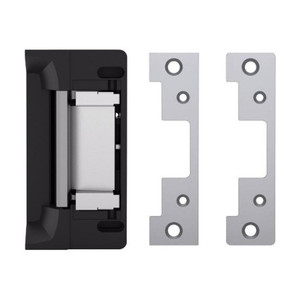
HES 10270051 Strike Latch Guard for HES 1006/5000/5200
High-traffic commercial openings expose electric strikes to forced-entry attempts and improper door operation that can compromise latch engagement over time. The HES 10270051 Strike Latch Guard provides critical protection for HES 1006, 5000, and 5200 series electric strikes, reinforcing the strike cavity to prevent tampering and ensuring consistent latch retention in demanding access control installations.
Key Features
- Designed specifically for HES 1006, 5000, and 5200 series electric strikes
- Reinforced guard construction protects strike cavity from forced entry attempts
- Maintains proper latch alignment and prevents unauthorized manipulation
- Extends strike service life in high-traffic commercial environments
- Simple retrofit installation on existing HES strike deployments
- Factory-matched compatibility ensures seamless integration with HES hardware
When specifying access control for schools, healthcare facilities, retail locations, or multi-tenant buildings, protecting the electric strike itself often gets overlooked until a security incident occurs. The 10270051 adds a hardened barrier that prevents hands, tools, or foreign objects from interfering with the strike's internal keeper mechanism. This is particularly valuable in unsupervised areas where occupants might attempt to defeat access control by manipulating the strike directly, or in exterior applications where weather and debris can compromise strike operation.
Installation integrates directly with your existing HES 1006, 5000, or 5200 series strike without requiring frame modifications or additional prep work. For integrators managing retrofit projects or maintenance contracts, the latch guard provides an efficient upgrade path that addresses vulnerability reports without replacing the entire strike assembly. Deploy this guard wherever your risk assessment identifies strikes exposed to physical attack vectors or where facility requirements mandate tamper-resistant access control hardware at sensitive entry points.