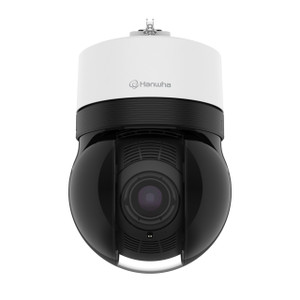
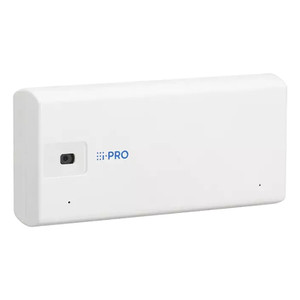
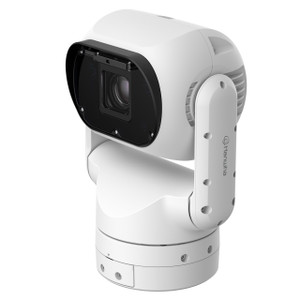
ACTi PTZ-4MP 4MP PTZ Day/Night Vandal IP67 Camera
Overview
The ACTi PTZ-4MP is a 4-megapixel pan-tilt-zoom camera designed for outdoor surveillance requiring motorized coverage, day/night operation, and resistance to deliberate tampering. The IP67 vandal-resistant housing protects against rain, dust, and impact — necessary when the camera is exposed and within reach. Integrated infrared provides usable monochrome coverage when ambient light drops below practical color thresholds, eliminating the need for separate illumination in perimeter and parking applications.
Deployment Context
Deploy the PTZ-4MP where a fixed dome or turret cannot cover the required area and operators need the ability to pan, tilt, and zoom to follow activity or verify detail at distance. IP67 vandalism-resistance is critical in retail parking lots, municipal open-air facilities, and commercial perimeter zones where fixed cameras are accessible to the public. The 4MP resolution balances network bandwidth and storage cost against the need for readable facial and license-plate detail when zoomed.
Compatibility
Verify mounting and electrical compatibility with your NVR or VMS before purchase. Confirm the camera's protocol and video codec support against your recording system — standard ONVIF compliance helps, but some legacy systems require vendor-specific drivers. Power supply must deliver sufficient wattage for motorized PTZ operation; review the camera's maximum power draw and ensure your PoE infrastructure or external supply can sustain it during pan/tilt transitions.
Installation Notes
Mount the PTZ-4MP on a structurally solid surface — concrete or steel — to prevent vibration during motor operation that can degrade video clarity. Ensure mounting hardware is stainless steel or galvanized to avoid corrosion in the salt-air or high-humidity environments where IP67 cameras are often placed. Cable runs should be physically protected if the camera is in an area with foot traffic or vehicle movement; conduit is recommended. Confirm power capacity and wiring gauge before commissioning motorized movement — stalled motors draw significantly more current than passive fixed cameras.