
Electrical & Power
Electrical and power components provide the foundation for reliable surveillance and access control system operation. Proper power delivery, distribution, and protection planning ensures stable performance and reduces system downtime in commercial environments.
Plan Your Deployment
- Voltage requirements and device compatibility
- Power budgeting across cameras and access devices
- Centralized vs distributed power design
- Surge protection and environmental safeguards
- Redundancy and uptime planning
Electrical & Power — Engineering-Grade Installation Accessories for Commercial Deployments
This category covers 10 working models of electrical & power sourced manufacturer-direct or through channel-direct US distribution. Build the rest of your system around the architectural choices below — compatibility, environmental rating, and lifecycle decisions made here propagate through every downstream component you specify.
What to Look For
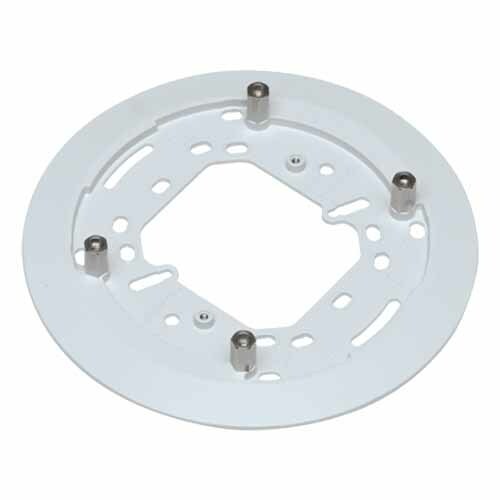
Compatibility comes first. Mounting brackets, housings, and adapters are specific to the camera or device they support — the same manufacturer often makes parallel lines that don't share accessories. Verify the part number against the camera/device datasheet or compatibility list before ordering. Installation labor consumed troubleshooting a mismatched mount is the most common rework on commercial jobs.
Environmental rating determines material and finish. Indoor accessories typically use steel or aluminum with a powder-coat finish; outdoor accessories need stainless steel or specifically-rated coastal-grade finishes for salt-air resistance. UV exposure degrades plastic over years; choose UV-stabilized polymers or metal for sun-exposed installs. Plan for replacement at year 7-10 on outdoor plastic accessories.
Mounting load capacity must exceed device weight by a healthy margin. Camera weight, housing weight, and any wind loading on PTZs combine. Wall, ceiling, and pole mounts each have rated maximum loads — check before specifying. Pole-mount and pendant-mount installations need conduit, junction boxes, and weather-sealing that aren't always specified in the camera kit.
Wire management and accessibility for service get overlooked in early planning. Bottom-loaded cable entry in housings, swing-out mounting plates, and accessible junction boxes save hours when a camera needs service. Cheap mounts that require complete dismount to access cables drive labor cost up at every service call. Specify service-friendly mounting hardware on installs you expect to service for 10+ years.
Key Specs in This Category
| Spec | Available Options |
|---|---|
| Type | Accessory, Power Supply, IP Camera |
Top Brands in This Category
Frequently Asked Questions
Will this mount work with my camera?
Mounts are camera-specific in most cases. The product description and manufacturer's compatibility list are the authoritative source. If you're not certain, send the camera model and the mount part number to our Senior Specialists; we'll confirm compatibility before you order. Returning a mismatched mount after installation labor is significantly more expensive than checking up front.
Do I need a junction box?
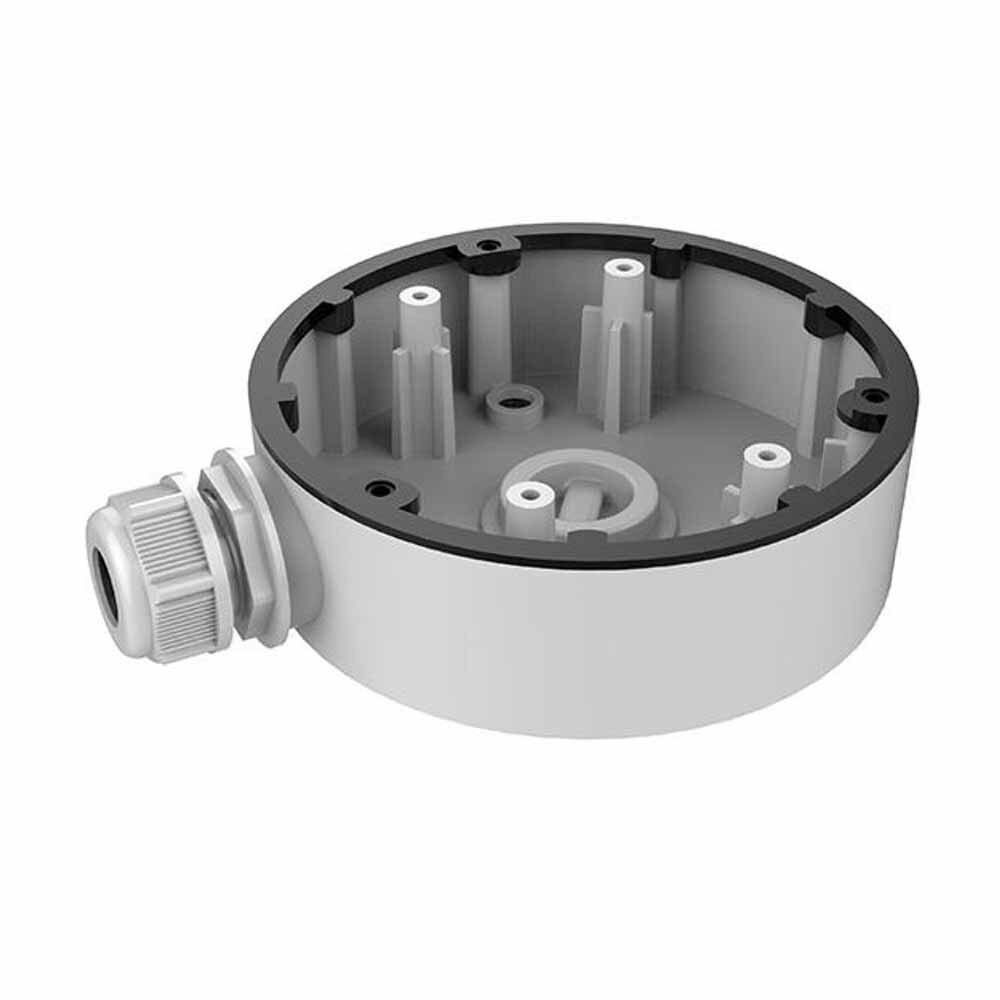
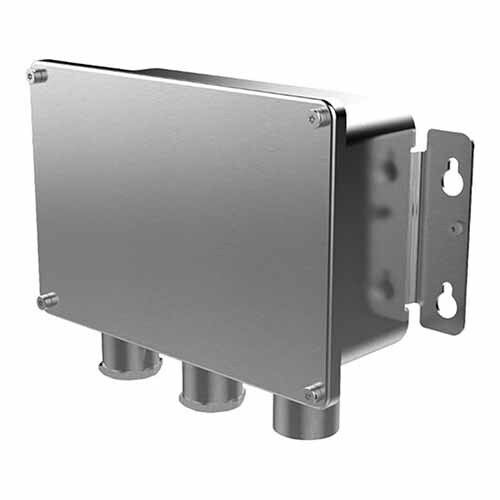
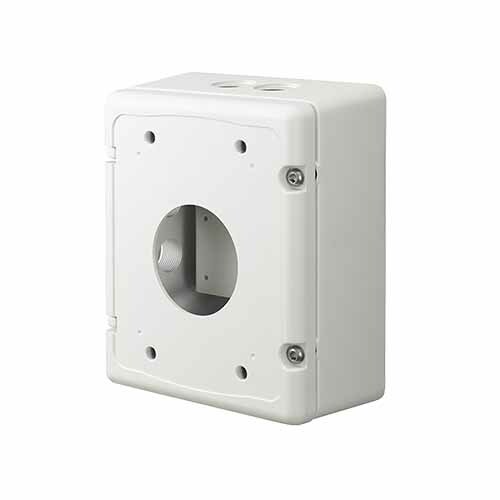
For most outdoor and exposed-conduit camera installs, yes — junction boxes house cable terminations and protect splices from weather. The camera's mounting requirements often specify the junction-box size and material. Some camera-and-mount combinations integrate the junction box into the mount; others require a separate box. Confirm before ordering to avoid pulling cable into an installation that can't accept it.
What's the difference between a wall mount and a pendant mount?
Wall mounts attach to vertical surfaces and project the camera outward. Pendant mounts attach to ceilings or overhead structures and suspend the camera below. Pole mounts are a specialized wall mount for poles. Choose by the mounting surface available and the field-of-view orientation required; many cameras work in any mount with the right adapter.
Are stainless steel mounts worth the extra cost?
For outdoor coastal installs (within ~5 miles of saltwater), yes — galvanized steel rusts visibly within 2-3 years in coastal air. For inland outdoor, marine-grade is overkill; powder-coated galvanized lasts 10+ years. For corrosive industrial environments (chemical plants, wastewater), stainless steel or specifically-rated coatings extend service life dramatically. Match the material to the environment, not the budget pressure.
Can I use one brand's mount with another brand's camera?
Sometimes — many mounts accept standard mounting patterns (¼-20 thread, M6 pattern, VESA spacing) and cross brands. Manufacturer-specific cast housings rarely do. Check the mount's hole pattern and weight rating against the camera's specs. When in doubt, use the camera manufacturer's recommended mount; cross-brand savings on mounts are typically small and the warranty implications of mismatched hardware aren't worth the risk.
Need help choosing? Talk to a Senior Specialist — direct line 877-277-7147 or request a quote.
Sub categories

There are no products listed under this category.