


Overview
SKU:
USP-RPS
Condition:
New
Availability:
Usually ships in 24 hours
Warranty
Manufacturer Warranty
Ubiquiti USP-RPS UniFi PoE Switch
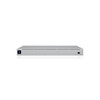
Ubiquiti USP-RPS UniFi SmartPower RPS Overview The Ubiquiti USP-RPS (MPN: USP-RPS) is a dedicated redundant power supply system designed for UniFi sw…
Ubiquiti USP-RPS UniFi PoE Switch
$508.99
Your recommended setup
Review items below — quantities update pricing automatically.
Item
Qty
Status
Price
Optional Add-Ons recommended
Services optional
Bundle Summary
Bundle Subtotal:
$0.00
Optional Add-Ons:
$0.00
Services:
$0.00
Total:
$0.00
Overview
SKU:
USP-RPS
Condition:
New
Availability:
Usually ships in 24 hours
Warranty
Manufacturer Warranty
Description
Ubiquiti USP-RPS UniFi SmartPower RPS
Overview
The Ubiquiti USP-RPS (MPN: USP-RPS) is a dedicated redundant power supply system designed for UniFi switching infrastructure. This 1U rack-mountable unit provides centralized power delivery and backup capability for UniFi PoE switches and network devices, operating from standard universal AC input (100–240V AC) to deliver either 645W at 54V DC or 350W at 12V DC depending on deployment requirements. Built with SGCC steel construction and measuring 442.4 × 325.6 × 43.7 mm, the unit weighs 5.5 kg without brackets, making it suitable for standard 19-inch rack installations or wall mounting in confined spaces.
Key Features
The USP-RPS MPN delivers dual voltage output options, allowing flexibility in powering mixed UniFi device ecosystems. The internal AC/DC power supply converts mains voltage with a maximum power consumption of 995W, while comprehensive ESD protection (±16kV air discharge, ±12kV contact) safeguards connected equipment from transient events. Management occurs via a single Gigabit Ethernet RJ45 port, enabling remote monitoring and configuration without dedicated serial interfaces. A factory reset button provides field-level recovery capability. The unit operates across -5 to 45°C, supporting both temperature-controlled data centers and field deployments, and carries CE, FCC, and IC certifications alongside NDAA compliance for government and institutional procurement.
Deployment Scenarios
The USP-RPS is essential in multi-switch UniFi campus networks where centralized power distribution reduces cabling complexity and provides redundancy. Typical deployments include medium-to-large office environments with multiple access point clusters, distributed education campuses, and retail chains requiring consistent PoE availability across locations. The dual voltage output accommodates heterogeneous device inventories, supporting both high-power 54V PoE devices and legacy 12V equipment without requiring separate power infrastructures.
Network Integration
Integration with UniFi ecosystems occurs through the management Gigabit Ethernet port, connecting to UniFi Dream Machines, CloudKeys, or controller software running on standard servers. The USP-RPS MPN appears in controller topology views, allowing administrators to monitor power supply health, voltage output, and load distribution from a single pane of glass. Status reporting integrates with UniFi alerting and syslog forwarding for NOC-level visibility.
Installation Notes
Mount the unit in standard 19-inch racks using included or optional brackets. Ensure adequate ventilation around intake vents, particularly in sealed cabinet environments. Connect primary AC mains to the universal input connector; secondary redundant AC may be wired to the same or different circuit depending on backup strategy. DC outputs are accessed via terminal blocks rated for the respective voltage and current draw. All connections require proper gauging to prevent voltage drop—consult Ubiquiti sizing guidance for cable specifications. Firmware updates are delivered through the controller interface.
Specifications
Power Type:
(1) Universal AC input, 100–240V AC
Form Factor:
1U rack/wall mount
Management:
Ethernet
Ports:
(1) GbE RJ45 port
Power_Budget:
645W 54V DC; 350W 12V DC
Speed:
Gigabit Ethernet (management)
Throughput:
N/A—power system
Dimensions:
442.4 x 325.6 x 43.7 mm
Weight:
Without mount brackets : 5.5 kg (12.1 lb)
Enclosure:
SGCC steel
Power Supply:
54V DC output: AC/DC, internal, 645W
Voltage Range:
100–240V AC
Power Consumption:
995W
ESD Protection:
Air: ± 16kV, contact: ± 12kV
Buttons:
(1) Factory reset
Operating Temp:
-5 to 45° C (23 to 113° F)
NDAA Compliant:
Yes
Certifications:
CE, FCC, IC
Have Questions?
Ask an Expert.
RELATED PRODUCTS

System Design, Deployment & Technical Support
Support services and planning resources for commercial surveillance, access control, and infrastructure deployments.
Fixed scope • Fixed price
System Design Assistance
- Get help validating product compatibility
- Coverage requirements
- Storage planning and deployment architecture before you buy.
Deployment & Configuration Support
- Access fixed-scope support for rollout planning
- User setup guidance
- Migration and system standardization across single-site or multi-site deployments
Guides, Tools & Calculators
- PoE requirements
- Storage retention
- Camera selection and deployment methodology