






Product images are provided for reference and may not represent the exact model, configuration, or included
components.
Overview
SKU:
0981-001
UPC:
7331021058736
Condition:
New
Availability:
Usually ships in 24 hours
Warranty
3-year warranty

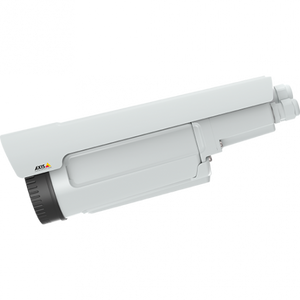
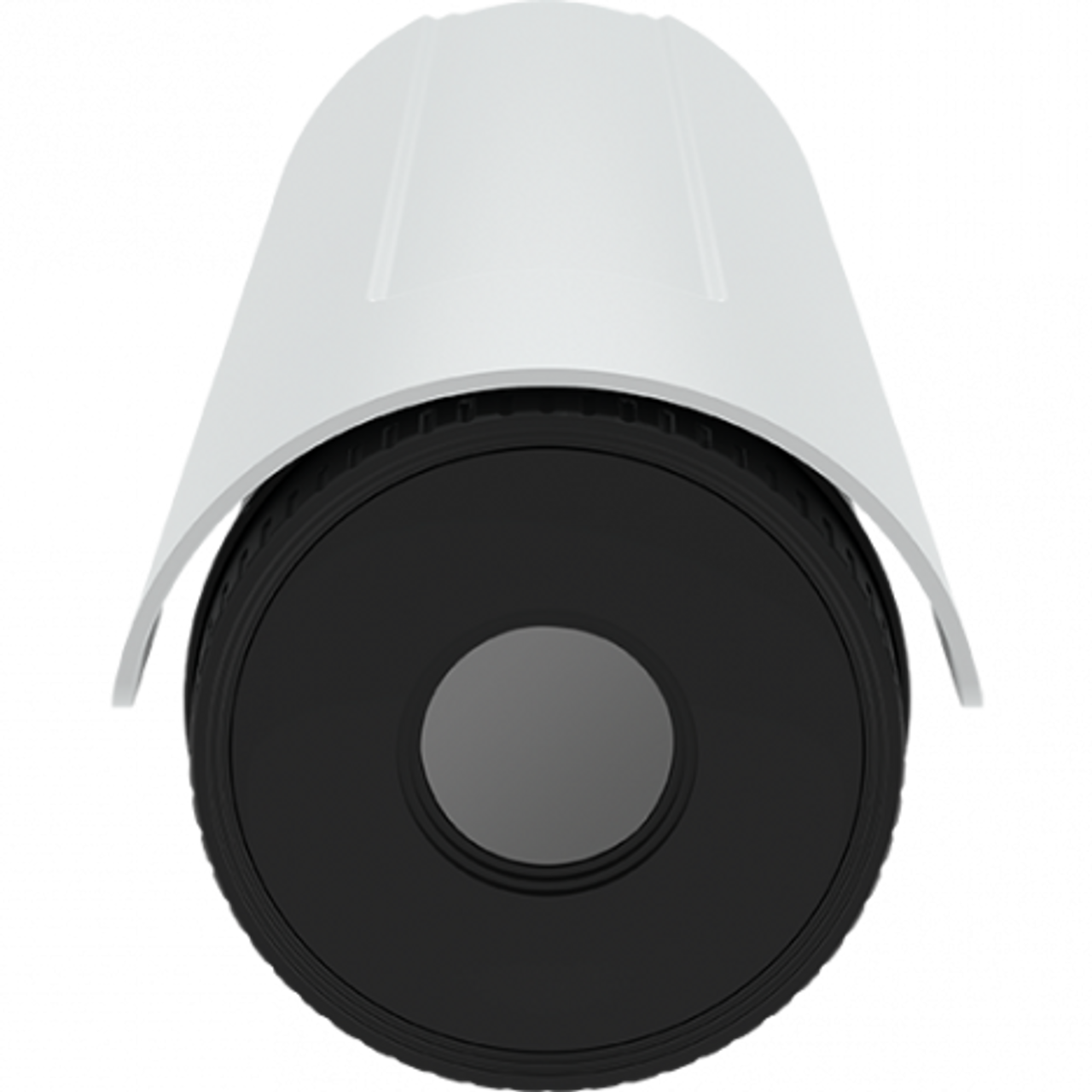
Axis Q1942-E Thermal Outdoor Bullet Camera
Axis Q1942-E Thermal Outdoor Fixed Bullet IP CameraThe Axis Q1942-E is a professional-grade thermal imaging camera designed for outdoor surveillance i…

Axis Q1942-E Thermal Outdoor Bullet Camera
$5,399.00
$5,326.99
Your recommended setup
Review items below — quantities update pricing automatically.
Item
Qty
Status
Price
Optional Add-Ons recommended
Services optional
Bundle Summary
Bundle Subtotal:
$0.00
Optional Add-Ons:
$0.00
Services:
$0.00
Total:
$0.00
Overview
SKU:
0981-001
UPC:
7331021058736
Condition:
New
Availability:
Usually ships in 24 hours
Warranty
3-year warranty
Description

Axis Q1942-E Thermal Outdoor Fixed Bullet IP Camera
The Axis Q1942-E is a professional-grade thermal imaging camera designed for outdoor surveillance in the most challenging environments. Unlike conventional cameras that rely on visible light, this thermal bullet camera detects heat signatures, enabling continuous monitoring in complete darkness, through smoke, fog, and adverse weather conditions. With an uncooled micro bolometer sensor and thermal sensitivity below 50 mK, the Q1942-E delivers precise thermal imaging for critical infrastructure protection, perimeter security, and wide-area monitoring applications.
Key Features
- Uncooled micro bolometer thermal sensor with <50 mK NETD for superior thermal sensitivity
- 800x600 thermal resolution with 30 fps maximum frame rate
- Multiple focal length options (10, 19, 35, 60 mm) with corresponding fields of view for flexible deployment
- IP66-rated housing for complete dust and water protection
- Operating temperature range of -40°C to +60°C for extreme climate resilience
- PoE (Power over Ethernet) Class 3 for simplified single-cable installation
- H.264 video compression with Zipstream technology for optimized bandwidth efficiency
- Electronic image stabilization to ensure steady footage in windy or vibration-prone locations
Technical Highlights
The Q1942-E leverages Axis' advanced thermal imaging technology to deliver exceptional detection capabilities across expansive distances. Its multiple focal lengths accommodate various surveillance scenarios—from wide perimeter coverage to targeted long-range monitoring. The camera's PoE power delivery eliminates the need for separate power infrastructure, reducing installation costs and complexity. H.264 compression combined with Zipstream technology minimizes storage and bandwidth requirements without sacrificing image quality.
Built-in analytics capabilities, including motion detection and temperature-based alarming, automate threat identification and enable rapid response. Serial connectivity support allows integration with legacy systems and specialized equipment. Signed firmware and local storage options enhance security and system resilience.
Applications
- Critical infrastructure and utility perimeter protection
- Airport and seaport security monitoring
- Border and boundary surveillance
- Industrial facility and warehouse monitoring
- Search and rescue operations
- Fire detection in high-risk zones
Ted Perry
The Q1942-E stands apart in the thermal camera market through its combination of thermal sensitivity, rugged outdoor construction, and enterprise-grade integration features. The sub-50 mK NETD specification ensures detection of minute temperature differentials, critical for identifying concealed threats and detecting equipment failures. The IP66 rating and -40°C to +60°C operating range make it genuinely suitable for harsh climates where conventional cameras fail.
PoE Class 3 power delivery is practical for field deployments where power infrastructure is limited. The camera's multiple lens options provide flexibility to balance coverage area against detection range—a key advantage over fixed-lens thermal alternatives. For organizations requiring 24/7 monitoring independent of lighting conditions, the Q1942-E represents a reliable, maintenance-efficient solution that integrates seamlessly into modern VMS platforms.
Specifications
Frame Rate:
30fps
Sensor Type:
Uncooled Micro bolometer
Thermal Sensitivity (NETD:
Thermal Sensor Resolution:
Thermal
Max Resolution:
800x600 (Upscaled)
Max frames per second:
8.3 / 30 / 8.3 / 30 / 8.3 / 30 / 8.3 / 30
Image Stabilization:
PoE
Features:
PoE
Focal length:
10 / 10 / 35 / 19 / 19 / 35 / 60 / 60 mm
Horizontal field of view:
63 / 63 / 17 / 31 / 31 / 17 / 10 / 10°
Vertical field of view:
49 / 49 / 13.1 / 24 / 24 / 13.1 / 7.7 / 7.7°
Zipstream:
Yes
Video Compression:
H.264
Active Tampering:
PoE
Serial connectors:
Yes
Analytics:
PoE
PoE Class:
3
Signed Firmware:
PoE
Local Storage:
PoE
Operating Temperature:
-40 to 60 °C
Outdoor Ready:
Yes
IP Rating:
IP66
Product Type:
Bullet
Connectivity:
Wired
Power Type:
PoE
Resolution:
Thermal
Night Vision:
Thermal
Have Questions?
Ask an Expert.
RELATED PRODUCTS


System Design, Deployment & Technical Support
Support services and planning resources for commercial surveillance, access control, and infrastructure deployments.
Fixed scope • Fixed price
System Design Assistance
- Get help validating product compatibility
- Coverage requirements
- Storage planning and deployment architecture before you buy.
Deployment & Configuration Support
- Access fixed-scope support for rollout planning
- User setup guidance
- Migration and system standardization across single-site or multi-site deployments
Guides, Tools & Calculators
- PoE requirements
- Storage retention
- Camera selection and deployment methodology