


Overview
SKU:
UISP-P
Condition:
New
Availability:
Usually ships in 24 hours
Warranty
Manufacturer Warranty
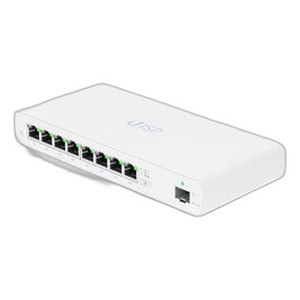
Ubiquiti UISP-P UISP Management Device
Ubiquiti UISP-P UISP Management Device Overview The Ubiquiti UISP-P (MPN: UISP-P) is a dedicated management and provisioning device designed for ISP …

Ubiquiti UISP-P UISP Management Device
$279.99
Your recommended setup
Review items below — quantities update pricing automatically.
Item
Qty
Status
Price
Optional Add-Ons recommended
Services optional
Bundle Summary
Bundle Subtotal:
$0.00
Optional Add-Ons:
$0.00
Services:
$0.00
Total:
$0.00
Overview
SKU:
UISP-P
Condition:
New
Availability:
Usually ships in 24 hours
Warranty
Manufacturer Warranty
Description

Ubiquiti UISP-P UISP Management Device
Overview
The Ubiquiti UISP-P (MPN: UISP-P) is a dedicated management and provisioning device designed for ISP and network operator deployments using the UISP platform ecosystem. This compact controller operates as the central management hub for distributed UISP Wired infrastructure, enabling unified provisioning, monitoring, and configuration across customer premises equipment and network nodes. Manufactured in CN and weighing 9.050 lb, the UISP-P integrates seamlessly into existing UISP deployments where centralized device orchestration and real-time visibility are required.
Key Features
The UISP-P functions as an on-premises or remote management appliance that reduces operational overhead in multi-site deployments. It provides centralized device discovery, firmware management, and service provisioning capabilities across the UISP Wired product family. The device supports bulk device operations, streamlining provisioning workflows for ISPs managing hundreds or thousands of customer installations. Integration with existing UISP software stacks allows operators to leverage existing tooling and automation frameworks without requiring additional platform investment.
Deployment Scenarios
The Ubiquiti UISP-P is deployed in carrier-grade network environments where distributed edge devices require centralized lifecycle management. Common scenarios include ISP fiber-to-the-premises (FTTP) rollouts, managed service provider (MSP) multi-tenant operations, and enterprise WAN architectures leveraging UISP access points and routers. The MPN: UISP-P supports both greenfield deployments and integration into mature networks already running UISP components, accommodating growth without architectural changes.
Network Integration
The device integrates directly into UISP-managed networks via standard Ethernet connectivity and communicates with distributed UISP endpoints through encrypted management channels. It supports REST API interfaces for third-party integration and automation workflows, allowing integration with billing systems, NOC platforms, and provisioning tools. Network redundancy through high-availability configurations is supported for critical deployments.
Installation Notes
The UISP-P is deployed as a standard network appliance within a secure management VLAN or isolated network segment. Physical installation requires standard 19-inch rack mounting or placement in a network closet with standard power and Ethernet connectivity. Operators should provision adequate network bandwidth for management traffic and ensure the device is accessible to all managed UISP endpoints. Initial setup involves importing device credentials, defining customer accounts, and establishing NTP synchronization for accurate provisioning timestamps.
Marty Allison, Infrastructure Architect
"The UISP-P is the backbone of any serious UISP deployment at scale. If you're running more than a handful of UISP devices, centralizing management through the MPN UISP-P eliminates the operational friction of managing each endpoint individually. The provisioning workflows alone justify the deployment, and the API flexibility means you're not locked into Ubiquiti's tooling—you can integrate it into your existing NOC architecture. For ISPs and MSPs, this is table stakes."
Specifications
Product Family:
UISP Wired
Country of Origin:
CN
Weight:
9.050 lb
Have Questions?
Ask an Expert.
RELATED PRODUCTS



System Design, Deployment & Technical Support
Support services and planning resources for commercial surveillance, access control, and infrastructure deployments.
Fixed scope • Fixed price
System Design Assistance
- Get help validating product compatibility
- Coverage requirements
- Storage planning and deployment architecture before you buy.
Deployment & Configuration Support
- Access fixed-scope support for rollout planning
- User setup guidance
- Migration and system standardization across single-site or multi-site deployments
Guides, Tools & Calculators
- PoE requirements
- Storage retention
- Camera selection and deployment methodology