



Product images are provided for reference and may not represent the exact model, configuration, or included
components.
Overview
SKU:
422ULT
Condition:
New
Availability:
Usually ships in 24 hours
Warranty
Limited Lifetime Warranty
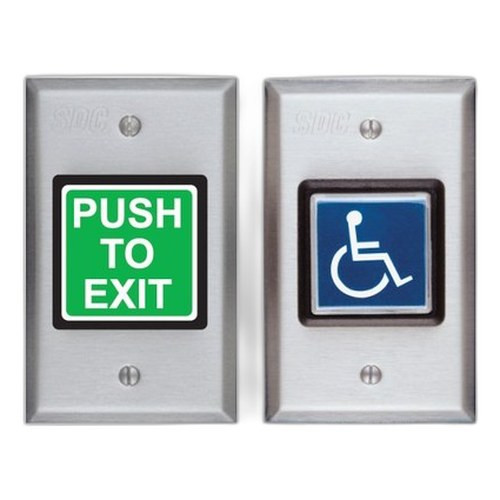
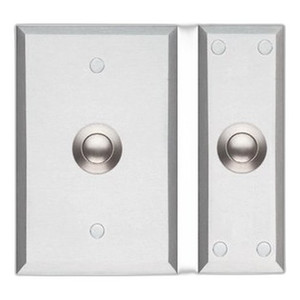
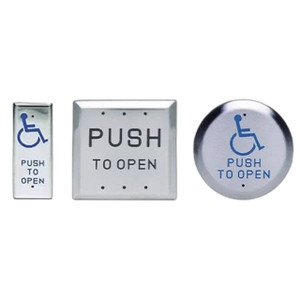
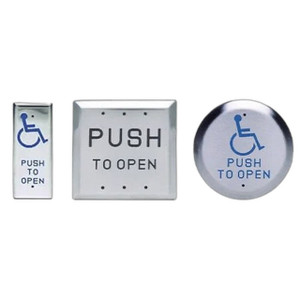
SDC 422ULT Push Switch 630 Finish LED Controller
SDC 422ULT Push Switch Controller 630 Finish LEDOverviewThe SDC 422ULT is a push switch controller with integrated LED indicator and 630 stainless ste…
SDC 422ULT Push Switch 630 Finish LED Controller
$81.99
Your recommended setup
Review items below — quantities update pricing automatically.
Item
Qty
Status
Price
Optional Add-Ons recommended
Services optional
Bundle Summary
Bundle Subtotal:
$0.00
Optional Add-Ons:
$0.00
Services:
$0.00
Total:
$0.00
Overview
SKU:
422ULT
Condition:
New
Availability:
Usually ships in 24 hours
Warranty
Limited Lifetime Warranty
Description
SDC 422ULT Push Switch Controller 630 Finish LED
Overview
The SDC 422ULT is a push switch controller with integrated LED indicator and 630 stainless steel finish. Designed for multi-door access control environments, this controller manages up to 63 doors and 250,000 user credentials. It supports multiple credential types including DESFire, MIFARE, NFC at 13.56MHz, and 125kHz Proximity cards, delivering flexible authentication options across heterogeneous deployments.
Connectivity & Security
Communicates via OSDP and TCP/IP protocols, enabling integration with modern access control management systems. Operates on 24VDC power. The multi-protocol credential support accommodates both legacy and contemporary card systems without requiring hardware replacement.
Compatibility
Suitable for security integrators deploying medium to large-scale door control systems. Compatible with standard access control platforms supporting OSDP and TCP/IP communication. The 630 finish provides corrosion resistance in demanding installation environments.
Specifications
Product Type:
Controller
Communication:
OSDP, TCP/IP
credential_type:
DESFire, MIFARE, NFC/13.56MHz, 125kHz Prox
door_capacity:
63
max_users:
250000
Reader_Type:
Push Switch with LED
Voltage:
24VDC
Have Questions?
Ask an Expert.
RELATED PRODUCTS

System Design, Deployment & Technical Support
Support services and planning resources for commercial surveillance, access control, and infrastructure deployments.
Fixed scope • Fixed price
System Design Assistance
- Get help validating product compatibility
- Coverage requirements
- Storage planning and deployment architecture before you buy.
Deployment & Configuration Support
- Access fixed-scope support for rollout planning
- User setup guidance
- Migration and system standardization across single-site or multi-site deployments
Guides, Tools & Calculators
- PoE requirements
- Storage retention
- Camera selection and deployment methodology