



Product images are provided for reference and may not represent the exact model, configuration, or included
components.
Overview
SKU:
DD3
Condition:
New
Availability:
Usually ships in 24 hours
Warranty
3-Year Manufacturer Warranty
Write a Review
Write a Review
Speco Technologies
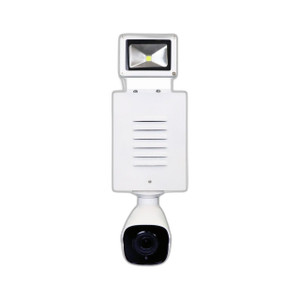
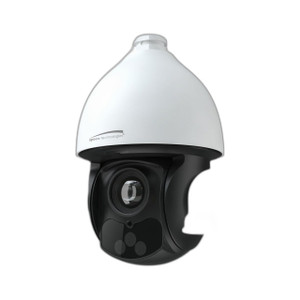
Speco Technologies DD3 Outdoor Digital Deterrent PTZ Alert Box
Speco Technologies DD3 Outdoor Digital Deterrent PTZ Alert Box
Speco Technologies DD3 Outdoor Digital Deterrent PTZ Alert Box Overview The Speco DD3 is a purpose-built outdoor digital deterrent system designed to…
Speco Technologies DD3 Outdoor Digital Deterrent PTZ Alert Box
$7,562.99
Your recommended setup
Review items below — quantities update pricing automatically.
Item
Qty
Status
Price
Optional Add-Ons recommended
Services optional
Bundle Summary
Bundle Subtotal:
$0.00
Optional Add-Ons:
$0.00
Services:
$0.00
Total:
$0.00
Overview
SKU:
DD3
Condition:
New
Availability:
Usually ships in 24 hours
Warranty
3-Year Manufacturer Warranty
Description

Speco Technologies DD3 Outdoor Digital Deterrent PTZ Alert Box
Overview
The Speco DD3 is a purpose-built outdoor digital deterrent system designed to actively discourage unauthorized access and suspicious behavior at perimeter and entry points. Unlike passive surveillance cameras, the DD3 combines active visual deterrence through strobe lighting and audible warnings with video monitoring capabilities, making it an aggressive first-line defense tool for integrators protecting high-value facilities, critical infrastructure, and sensitive access points. The DD3 operates as an intelligent alert system that can be remotely triggered or automated to respond to motion, intrusion sensors, or manual activation, delivering synchronized strobe flashes and configurable audio warnings that command immediate attention.
When this is the correct choice
Select the DD3 when your client requires active deterrence in addition to monitoring. This product excels at perimeter hardening, parking lot entrance control, gated facility protection, and high-security access point monitoring. The outdoor-rated design and integrated strobe/audio combo make it ideal for facilities where the goal is to prevent incidents rather than simply document them. It is particularly effective in contexts where a visible, aggressive security posture is part of the security strategy—such as protecting equipment yards, fuel depots, secured parking areas, or restricted-access zones where unauthorized entry attempts warrant immediate sensory disruption.
When to choose a different model
If your application requires only passive surveillance without deterrence, a standard PTZ camera or fixed dome may be more cost-effective. If the environment does not support outdoor-rated equipment, or if noise and light emission are concerns (such as residential areas or noise-sensitive facilities), consider non-deterrent alternatives. The DD3 is not a replacement for access control systems; it complements them but does not prevent physical entry on its own.
Optics and field of view
The DD3 features PTZ (pan-tilt-zoom) capability enabling operators to pan across large areas, tilt vertically to cover entry points at varying heights, and zoom in for detail verification. The exact lens specifications and optical zoom range are provided by Speco; consult the product documentation for precise focal length and field-of-view data specific to your deployment site.
Imaging performance and low light
As an outdoor deterrent system, the DD3 is engineered to operate in diverse lighting conditions. The built-in strobe function serves dual purposes: active deterrence during alerts and visual confirmation of system activation. Specific sensor resolution, minimum illumination levels, and infrared capability (if integrated) should be verified against the technical datasheet to confirm suitability for your site's lighting profile and 24/7 operational requirements.
Analytics and edge capabilities
The DD3 integrates video monitoring with alert logic, allowing integrators to configure trigger conditions based on external sensors (motion detectors, contact switches, intrusion panels) or manual operator intervention. The system's value lies in coordinated response: when triggered, the strobe and audio warnings activate in sync with video recording and potential alarm relay outputs, creating a unified deterrent response. Edge-based analytics or advanced object detection capabilities should be confirmed with Speco specifications.
Video encoding and streaming
The DD3 video output format, streaming protocols, and bitrate specifications are detailed in the manufacturer's technical documentation. Standard ONVIF compatibility and integration with common VMS platforms should be verified during design phase to ensure seamless integration into your client's existing surveillance infrastructure.
Network and security
As a networked outdoor device, the DD3 should support secure communication protocols and credential-based access controls. Confirm firmware update mechanisms, network authentication options, and whether the device supports encrypted streams (HTTPS/TLS) to protect video and command traffic from unauthorized access during remote operation.
Environmental and durability ratings
The DD3 is designed for outdoor installation and rated to withstand environmental stressors including rain, wind, and temperature extremes. Specific IP (ingress protection) and IK (impact resistance) ratings define its resilience to water, dust, and physical damage. Verify these ratings match your site's climate zone and exposure level (e.g., coastal salt spray, high-wind areas, or vandalism-prone locations).
Power and installation notes
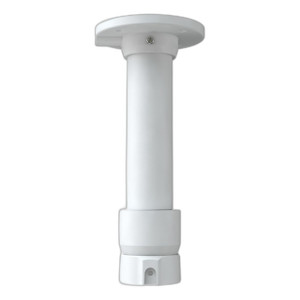
The DD3 power requirements—whether PoE, 12VDC, or AC mains—determine installation complexity and infrastructure needs. The integrated strobe and audio amplifier may demand higher wattage than standard cameras; confirm power budget during design. Wall or pole mounting brackets and weatherproof housing are typical for outdoor deployment. Professional installation is recommended to ensure proper aiming, weather sealing, and secure cabling.
What is included
Contact us for package details.
Ted Perry
I've evaluated the Speco DD3 during several perimeter security designs, and its active deterrent approach addresses a real gap in the market. Where traditional cameras are silent observers, the DD3 becomes a visible, audible presence that communicates "this area is protected." That's a valuable message at the moment an intruder approaches. The combination of PTZ flexibility, synchronized strobe output, and configurable audio warning allows integrators to tailor the response—whether that's a blinding flash paired with a siren, voice messaging, or both.
Technical Highlights:
- Active Deterrence Integration: The DD3 synchronizes video with strobe lighting and audio output, meaning when triggered—by motion sensor, contact switch, or manual command—all three elements activate together. This creates an immediate, multi-sensory response that passive cameras cannot replicate.
- PTZ Capability: Pan-tilt-zoom functionality allows operators to track movement and zoom in for license plate or facial detail, moving the DD3 beyond simple fixed-angle deterrence into active surveillance and evidence collection.
- Outdoor Environmental Rating: Sealed enclosure and outdoor-rated components ensure reliability in rain, temperature swings, and UV exposure—non-negotiable for perimeter and entry-point applications.
Deployment Considerations:
- Position the DD3 to maximize visibility from approach angles; potential intruders must see and hear the deterrent before they commit to entry. Mounting height and aiming angle are critical.
- Coordinate strobe and audio settings with local regulations. Some jurisdictions restrict continuous siren use or require notification labeling. Confirm compliance during design.
- Integrate the DD3 trigger inputs with your client's existing alarm panel or sensor network. Most installations use door/window contacts or motion detectors as the primary activation source.
- Test the system regularly (monthly minimum) to confirm strobe brightness, audio output volume, and video quality. Environmental debris or salt spray can degrade lens clarity and light output over time.
The DD3 is not a standalone security solution, but when paired with access control, sensors, and VMS recording, it raises the cost of intrusion significantly. Potential attackers expect to succeed in avoiding detection; the DD3 removes that assumption. For clients serious about perimeter hardening, it's a smart tactical choice.
Specifications
Warranty:
3-Year Manufacturer Warranty
Have Questions?
Ask an Expert.
RELATED PRODUCTS
System Design, Deployment & Technical Support
Support services and planning resources for commercial surveillance, access control, and infrastructure deployments.
Fixed scope • Fixed price
System Design Assistance
- Get help validating product compatibility
- Coverage requirements
- Storage planning and deployment architecture before you buy.
Deployment & Configuration Support
- Access fixed-scope support for rollout planning
- User setup guidance
- Migration and system standardization across single-site or multi-site deployments
Guides, Tools & Calculators
- PoE requirements
- Storage retention
- Camera selection and deployment methodology