Kantech
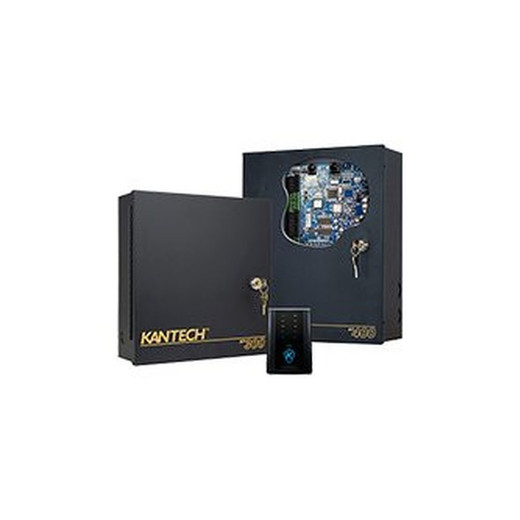
Kantech KT-MUL-MT2 Gen 2 Multi-Technology Mullion Reader
Add to Cart for Sale Price!
$267.99
Quantity Discounts
Available
Pre and Post-sales
Support Available
Same Day Shipping on
Most Orders
Add to Cart for Sale Price!
$267.99The Kantech KT-SG-MT2 Gen 2 is a dual-frequency credential reader that consolidates 13.56 MHz and 125 kHz access control technologies into a single, compact device. Designed for both new installations and retrofit applications, this multi-technology reader eliminates the need for multiple separate devices at credential verification points, reducing installation complexity and infrastructure costs.
The KT-SG-MT2 Gen 2 is engineered for access control environments requiring credential format flexibility without physical space constraints. Its single gang form factor integrates seamlessly into standard electrical enclosures, making it ideal for glass doors, metal frames, and wall-mounted installations where space is limited. The reader's support for both modern contactless smart card standards (ISO/IEC 14443A/B, MIFARE Plus EV1) and established proximity formats (ioProx, HID) ensures compatibility across diverse credential ecosystems, simplifying mixed-fleet deployments and gradual technology transitions.

The KT-SG-MT2 Gen 2 addresses a common operational challenge: managing credential format diversity without deploying multiple readers. Organizations often inherit mixed access control environments—some doors with HID proximity infrastructure, others with emerging 13.56 MHz smart card or mobile credential deployments. This reader consolidates both frequency bands, reducing hardware redundancy and simplifying system maintenance.
The Gen 2 architecture reflects Kantech's refinement of multi-technology detection reliability, critical for high-traffic entry points where read failures create security and operational friction. For facilities planning credential modernization, the KT-SG-MT2 Gen 2 enables phased migration strategies, allowing legacy and new credentials to coexist at the same reader location. This flexibility is particularly valuable in enterprise environments where synchronous system-wide upgrades are impractical.
Kantech
Add to Cart for Sale Price!
$267.99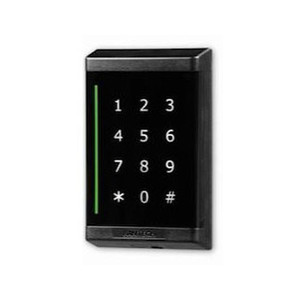
Kantech
Add to Cart for Sale Price!
$494.99