


Overview
SKU:
AP500HA
Condition:
New
Availability:
Usually ships in 24 hours
Warranty
2-Year Manufacturer Warranty
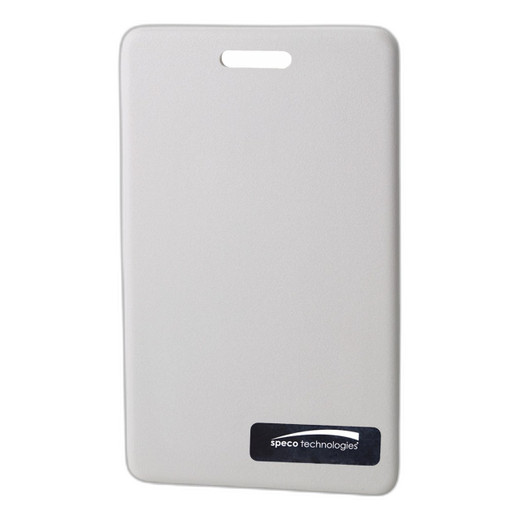
Speco AP500HA 125kHz Proximity Reader IP67
Speco Technologies AP500HA Proximity Reader Overview The AP500HA is a contactless 125kHz RFID proximity reader designed for access control integration…
Speco AP500HA 125kHz Proximity Reader IP67
$131.99
Your recommended setup
Review items below — quantities update pricing automatically.
Item
Qty
Status
Price
Optional Add-Ons recommended
Services optional
Bundle Summary
Bundle Subtotal:
$0.00
Optional Add-Ons:
$0.00
Services:
$0.00
Total:
$0.00
Overview
SKU:
AP500HA
Condition:
New
Availability:
Usually ships in 24 hours
Warranty
2-Year Manufacturer Warranty
Description
Speco Technologies AP500HA Proximity Reader
Overview
The AP500HA is a contactless 125kHz RFID proximity reader designed for access control integration in indoor and outdoor environments. With an 8-inch read range and Wiegand communication protocol support, it interfaces directly with standard access control systems and credential readers. IP67rating and weather-resistant epoxy potting make it suitable for exposed mounting on metal or flat surfaces.
Technical Capabilities
Operates on +5 to -16 VDC (typical 30mA @ 12VDC). Supports HID and AWID 125kHz proximity protocols. Includes four-state LED feedback (red, green, amber, off) and audio beeper for user confirmation. Operating temperature range: -40°F to 149°F. ETL-listed and NDAA Section 889 Part B compliant.
Compatibility
Compliant with Wiegand ABA Track II protocol. Compatible with standard access control panels and credential systems using 125kHz proximity technology. ONVIF-compliant architecture supports integration with broader IP-based security ecosystems.
Package Contents
- Proximity reader (black with ivory snap-on cover)
- Audio beeper and LED indicators
Specifications
Power Type:
DC 12V
IP Rating:
IP67
Operating Temperature:
-40 to 149 F
Weight:
4 oz
Compatibility:
ONVIF Compliant
Warranty:
2-Year Manufacturer Warranty
Have Questions?
Ask an Expert.
RELATED PRODUCTS

System Design, Deployment & Technical Support
Support services and planning resources for commercial surveillance, access control, and infrastructure deployments.
Fixed scope • Fixed price
System Design Assistance
- Get help validating product compatibility
- Coverage requirements
- Storage planning and deployment architecture before you buy.
Deployment & Configuration Support
- Access fixed-scope support for rollout planning
- User setup guidance
- Migration and system standardization across single-site or multi-site deployments
Guides, Tools & Calculators
- PoE requirements
- Storage retention
- Camera selection and deployment methodology