


Overview
SKU:
EBRIDGE100ST
Condition:
New
Availability:
Usually ships in 24 hours
Warranty
Lifetime Limited Warranty
Write a Review

Write a Review
Altronix
Altronix EBRIDGE100ST Single Channel 100Mbps transceiver- came
Altronix EBRIDGE100ST Single Channel 100Mbps transceiver- came
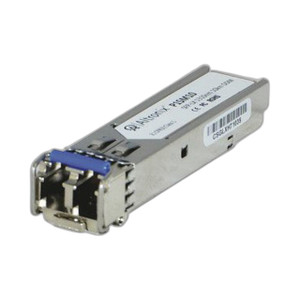
Altronix EBRIDGE100ST Single Channel 100Mbps Ethernet over Coax Transceiver The Altronix EBRIDGE100ST is a single-channel 100Mbps transceiver designe…
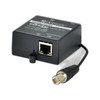
Altronix EBRIDGE100ST Single Channel 100Mbps transceiver- came
$162.99
Your recommended setup
Review items below — quantities update pricing automatically.
Item
Qty
Status
Price
Optional Add-Ons recommended
Services optional
Bundle Summary
Bundle Subtotal:
$0.00
Optional Add-Ons:
$0.00
Services:
$0.00
Total:
$0.00
Overview
SKU:
EBRIDGE100ST
Condition:
New
Availability:
Usually ships in 24 hours
Warranty
Lifetime Limited Warranty
Description
Altronix EBRIDGE100ST Single Channel 100Mbps Ethernet over Coax Transceiver
The Altronix EBRIDGE100ST is a single-channel 100Mbps transceiver designed for extending Ethernet connectivity over coaxial cable infrastructure. The EBRIDGE100ST leverages existing coax runs to transmit data at speeds up to 100Mbps with a maximum transmission range of 300 meters, making it ideal for retrofit installations in facilities with established coaxial networks.
Key Features
- 100Mbps Ethernet transmission over coaxial cable
- Single channel transceiver design
- Extended range up to 300 meters
- PoE and PoE+ pass-through capability
- UL Listed for safety compliance
- Compact form factor suitable for rack mounting
Applications
- Legacy coax infrastructure modernization
- Long-distance camera or sensor connectivity
- Facility expansion without new cabling
Specifications
- MPN: EBRIDGE100ST
- Data Rate: 100Mbps
- Maximum Range: 300 meters
- Number of Outputs: 1
- PoE Support: Passes PoE/PoE+
- Warranty: Lifetime Limited Warranty
Specifications
Product Type:
PoE Switch
Connectivity:
Ethernet over Coax
Power Type:
PoE
Form Factor:
Rack Mount
Approvals:
UL Listed
Network Ports:
16
Input Voltage:
230VAC
max_range:
300m
Number of Outputs:
1
PoE_Budget:
Passes PoE/PoE+
Warranty:
Lifetime Limited Warranty
Have Questions?
Ask an Expert.
RELATED PRODUCTS


System Design, Deployment & Technical Support
Support services and planning resources for commercial surveillance, access control, and infrastructure deployments.
Fixed scope • Fixed price
System Design Assistance
- Get help validating product compatibility
- Coverage requirements
- Storage planning and deployment architecture before you buy.
Deployment & Configuration Support
- Access fixed-scope support for rollout planning
- User setup guidance
- Migration and system standardization across single-site or multi-site deployments
Guides, Tools & Calculators
- PoE requirements
- Storage retention
- Camera selection and deployment methodology