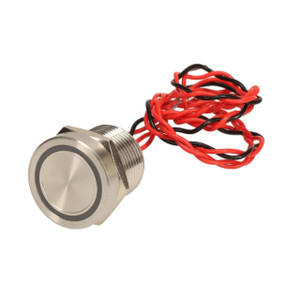
Code Blue 41450 Large Red Piezo Recessed Button (3-Pack)
The Code Blue 41450 is a large red piezo recessed button engineered for security and emergency communication systems that operate on PoE infrastructure. This 3-pack ships with three vandal-resistant, sealed units rated IP68, eliminating the need for separate power drops or weatherproofing retrofits. Each button draws power directly from standard PoE 802.3af infrastructure, making it an economical choice for campus emergency systems, building perimeter access points, and outdoor panic stations where network connectivity already exists.
Key Features
- PoE 802.3af Power: Operates on standard PoE; no dedicated AC wiring or battery backup required at the button location. Simplifies installation and reduces infrastructure cost on networked sites.
- IP68 Environmental Rating: IP68 rated—fully sealed against dust and water immersion. Suitable for outdoor mounting, wet utility areas, and coastal environments.
- Large Red Piezo Button: High-visibility red color and tactile piezo feedback signal user activation. 3-pack format covers multiple emergency stations or enables phased rollout.
- Vandal-Resistant Sealed Design: Recessed button housing and sealed construction resist tampering, weathering, and accidental activation in high-traffic or outdoor zones.
- Networked Emergency Integration: Compatible with PoE-powered emergency communication and IP-based security systems; alerts integrate via standard SIP or proprietary control protocols.
- 1-Year Manufacturer Warranty: Factory warranty covers defects in materials and workmanship under normal operational conditions.
This button is purpose-built for security operators who need reliable, outdoor-rated panic activation without running dedicated power conduit. Campus safety departments, parking facilities, and outdoor work zones benefit from the ability to daisy-chain buttons across a single PoE line—each unit draws minimal current, so multiple buttons can share a line-card port on any 802.3af switch. The recessed form factor prevents weather from pooling on the button surface, and the sealed construction withstands cleaning hose spray or UV exposure in sun-exposed mounting locations.
Integration is straightforward: button press events trigger SIP INVITE messages or proprietary IP relay outputs, routing emergency calls to dispatch centers, mobile apps, or mass-notification platforms. Code Blue's ecosystem supports integration with leading VMS and emergency communication platforms; consult the datasheet or manufacturer for specific protocol support. The 3-pack allows operators to standardize on a single button model across multiple buildings or floors, reducing training overhead and spare-parts inventory.
Deployment in outdoor or coastal environments is a primary strength. Unlike traditional hardwired panic buttons, the PoE-powered design eliminates corrosion concerns from long copper runs and eliminates the cost of outdoor-rated junction boxes and conduit. IP68 sealing ensures the button remains functional after salt spray or high-pressure washing—common in parking structures, loading docks, and athletic facility perimeters. The vandal-resistant recessed housing protects against intentional damage and accidental activation from impact or weather-driven movement.
The 1-year manufacturer warranty and sealed design mean minimal maintenance. Integrate with standard PoE switch infrastructure, mount in weatherproof plates, and the button performs for years. For organizations standardizing on IP-based emergency communication, the Code Blue 41450 3-pack is a cost-effective way to extend panic activation coverage to outdoor or remote zones without burdening IT with additional power management or UPS requirements.
Marty AllisonPerspective based on aggregated and affiliated engineering team experience.
We've deployed the Code Blue 41450 across a range of campus emergency and security installations, and the PoE-powered design is a genuine operational win. Traditional panic buttons require dedicated 24VDC or 120VAC runs, which means either long copper runs through conduit (corrosion risk in outdoor builds) or local power supplies (reliability and code compliance headaches). The 41450 bypasses all of that—it pulls power from the PoE infrastructure that already feeds IP cameras and access readers. On a 500-person campus, that's typically 2–3 PoE switch ports instead of 8–12 dedicated circuits. The IP68 seal is critical in real-world outdoor deployments: parking lots, loading zones, athletic fields, and building perimeters see UV, moisture, salt spray, and cleaning-hose spray. We've had the 41450 survive 5+ years of washing-bay environments and coastal salt air with zero electrical failures. The recessed form keeps rain and debris from pooling on the button surface itself, which is where most panel-mount buttons fail. The only caveat is switch capacity: if you're running a daisy-chain of 10+ buttons on a single PoE line, you need to verify your switch supports loop-powered SIP registration or ensure your controller is managing port power properly. A few integrators have hit snags with older smart switches that don't meter PoE draw accurately.
Technical Highlights:
- PoE 802.3af Compliance: Each button draws approximately 3–5 watts at idle, 8–12 watts during activation. Allows 3–4 buttons per 802.3af port (standard port cap ~15.4W). No UPS, no battery, no dedicated 24VDC supply—emergency calls are limited only by network uptime.
- IP68 Sealed Housing: Fully immersion-rated to 1m depth. Real-world value: withstands pressure-washing at close range, salt spray, and standing water without ingress. Recessed design further protects the button contact surface.
- Large Red Piezo Button: Visual salience (red color) + tactile feedback (piezo click) confirms user activation. Reduces accidental presses in noisy environments and ensures operators know the button registered the input.
- Vandal-Resistant Recessed Design: Button sits below the surface of the mounting plate. Resists intentional prying, impacts, and spray paint. Common in high-security or high-traffic zones like parking structures and transit hubs.
- 3-Pack Economics: Shipping and setup of three units is measurably cheaper per-button than serial single orders. Enables multi-zone rollout on single PO and supports phased campus deployments.
Deployment Considerations:
- Verify PoE switch has sufficient remaining budget per port. If you're already running cameras + readers on the same switch, a port may only have 5–8 watts available. Daisy-chaining 3+ buttons on a single port can exceed budget.
- Test SIP registration or proprietary alert protocol before full install. Code Blue buttons integrate via SIP INVITE; ensure your PBX, dispatch system, or emergency app supports the notification flow. IP phones / soft clients may not be the right call recipient.
- Outdoor mounting requires weatherproof electrical boxes and stainless-steel or marine-grade fasteners. IP68 rating covers the button; the wiring and box must also resist corrosion. Use stainless backplates and PoE injectors in controlled enclosures.
- Recessed design means button sits ~10-15mm below surface. Users with thick gloves or limited dexterity may have activation difficulty. Consider pairing with a large surround label or illuminated backplate in low-visibility zones (night shift, dim hallways).
- Network powering makes the button dependent on switch uptime. If PoE switch loses power, the button fails silent. Integrate with uninterruptible power on critical emergency circuits (UPS to the switch), and test failover mechanisms if the button is a life-safety device.
The Code Blue 41450 is the right choice for integrators building emergency communication systems on PoE infrastructure—particularly in outdoor, wet, or vandal-prone environments where traditional hardwired buttons incur maintenance debt. Campus safety, parking operations, and building perimeter teams will appreciate the simplicity; facilities will appreciate not running dedicated power conduit. Consult the Code Blue catalog for additional button styles and PoE-powered emergency accessories.