


Overview
SKU:
T2856C
Condition:
New
Availability:
Usually ships in 24 hours
Warranty
Lifetime Limited Warranty
Altronix T2856C Transformer - 28VAC/56VA (2 amp), encl
Altronix T2856C Transformer — 28VAC/56VA Enclosed Unit The Altronix T2856C is a 28VAC/56VA step-down transformer supplied in an enclosed metal housin…
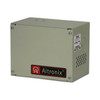
Altronix T2856C Transformer - 28VAC/56VA (2 amp), encl
$92.99
Your recommended setup
Review items below — quantities update pricing automatically.
Item
Qty
Status
Price
Optional Add-Ons recommended
Services optional
Bundle Summary
Bundle Subtotal:
$0.00
Optional Add-Ons:
$0.00
Services:
$0.00
Total:
$0.00
Overview
SKU:
T2856C
Condition:
New
Availability:
Usually ships in 24 hours
Warranty
Lifetime Limited Warranty
Description
Altronix T2856C Transformer — 28VAC/56VA Enclosed Unit
The Altronix T2856C is a 28VAC/56VA step-down transformer supplied in an enclosed metal housing. This unit accepts 115VAC input and delivers regulated 28VAC output at 2 amps, making it suitable for powering access control systems, alarm panels, and auxiliary security devices in fixed installation environments. The enclosure design provides mechanical protection and simplified integration into standard equipment racks or wall-mounted deployments.
Key Features
- 115VAC to 28VAC step-down conversion
- 56VA capacity at 2 amp output current
- Fully enclosed metal housing for protection
- Standard transformer-based regulation
- Lifetime Limited Warranty
Applications
- Access control system power supplies
- Security panel auxiliary voltage
- Low-voltage device power distribution
- Fixed indoor installation environments
Specifications
- Input Voltage: 115VAC
- Output Voltage: 28VAC
- Maximum Current: 2 amp (56VA)
- Enclosure: Metal housing included
- Warranty: Lifetime Limited
Specifications
Product Type:
Enclosure
Input Voltage:
115VAC
Output Voltage:
28VAC
Max Current:
56VA
Warranty:
Lifetime Limited Warranty
Have Questions?
Ask an Expert.
RELATED PRODUCTS


System Design, Deployment & Technical Support
Support services and planning resources for commercial surveillance, access control, and infrastructure deployments.
Fixed scope • Fixed price
System Design Assistance
- Get help validating product compatibility
- Coverage requirements
- Storage planning and deployment architecture before you buy.
Deployment & Configuration Support
- Access fixed-scope support for rollout planning
- User setup guidance
- Migration and system standardization across single-site or multi-site deployments
Guides, Tools & Calculators
- PoE requirements
- Storage retention
- Camera selection and deployment methodology