


Overview
SKU:
IOMOD
Condition:
New
Availability:
Usually ships in 24 hours
Warranty
2-Year Manufacturer Warranty
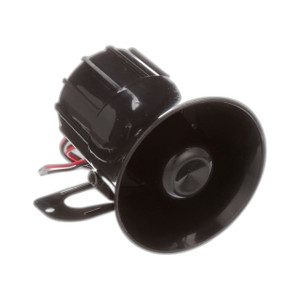
Speco Technologies IOMOD External Alarm Box Module
Speco Technologies IOMOD External Alarm Box Module Overview The Speco Technologies IOMOD is an external alarm box module designed to extend input/out…
Speco Technologies IOMOD External Alarm Box Module
$217.99
Your recommended setup
Review items below — quantities update pricing automatically.
Item
Qty
Status
Price
Optional Add-Ons recommended
Services optional
Bundle Summary
Bundle Subtotal:
$0.00
Optional Add-Ons:
$0.00
Services:
$0.00
Total:
$0.00
Overview
SKU:
IOMOD
Condition:
New
Availability:
Usually ships in 24 hours
Warranty
2-Year Manufacturer Warranty
Description

Speco Technologies IOMOD External Alarm Box Module
Overview
The Speco Technologies IOMOD is an external alarm box module designed to extend input/output (I/O) functionality for security system installations. This module integrates with existing Speco security platforms to provide hardwired alarm signal management in outdoor and semi-protected environments. The IOMOD bridges legacy alarm circuits and modern security architectures, making it essential for integrators managing mixed-generation deployments or expanding system I/O capacity on existing installations.
Key Features
- External alarm box form factor for wall or post mounting
- Hardwired I/O terminal connectivity for alarm sensors and circuits
- Integration with Speco security system platforms
- Weather-resistant enclosure design for outdoor installation
- Compact profile suitable for residential and commercial deployments
- Direct alarm signal relay and control interface
Integration & Compatibility
The IOMOD connects directly to Speco security system control panels via hardwired terminals, supporting traditional alarm circuit integration. This module is particularly valuable for integrators deploying multi-site systems or adding alarm I/O expansion to existing Speco installations without requiring additional control panel slots or network infrastructure.
Installation Considerations
The external alarm box design of the IOMOD accommodates both surface-mounted and flush-mount installation depending on site conditions. Weather-resistant construction permits outdoor placement, though protective overhang or conduit shielding is recommended for extended UV or heavy rain exposure. Hardwired terminal connections require standard alarm technician skills and comply with typical residential/commercial alarm wiring practices.
James Everett
As a systems engineer who has specified the IOMOD in several multi-property security expansions, I find this module particularly valuable when budget constraints or panel slot availability require distributed I/O. The IOMOD external alarm box approach keeps wiring runs manageable and avoids the cost of upgrading central control hardware.
Technical Highlights:
- Hardwired I/O Expansion: The IOMOD provides direct alarm circuit terminal connections without requiring software reconfiguration or network bandwidth, reducing latency for critical alarm signals.
- External Mounting: Weather-resistant construction allows placement at building perimeter or remote sensor arrays, simplifying long-distance wiring pulls compared to panel-mounted relays.
Deployment Considerations:
- Plan terminal runs during rough-in phase to avoid retrofit costs; the IOMOD integrates best when conduit pathways are already established.
- Verify control panel compatibility with your Speco platform revision before ordering—terminal pinout may vary across product generations.
For integrators managing legacy alarm infrastructure upgrades or multi-site rollouts, the IOMOD is a cost-effective way to extend I/O reach without overloading central panels. Install documentation and terminal specifications are straightforward for experienced alarm technicians.
Specifications
Warranty:
2-Year Manufacturer Warranty
Have Questions?
Ask an Expert.
RELATED PRODUCTS


System Design, Deployment & Technical Support
Support services and planning resources for commercial surveillance, access control, and infrastructure deployments.
Fixed scope • Fixed price
System Design Assistance
- Get help validating product compatibility
- Coverage requirements
- Storage planning and deployment architecture before you buy.
Deployment & Configuration Support
- Access fixed-scope support for rollout planning
- User setup guidance
- Migration and system standardization across single-site or multi-site deployments
Guides, Tools & Calculators
- PoE requirements
- Storage retention
- Camera selection and deployment methodology